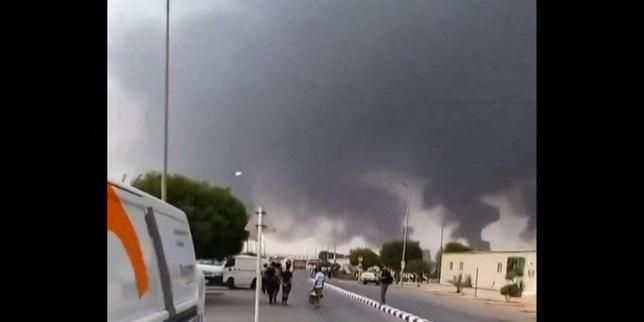
Iran Threatens Retaliation, Warns of Exposed Gulf Energy Infrastructure Amid U.S. Tensions
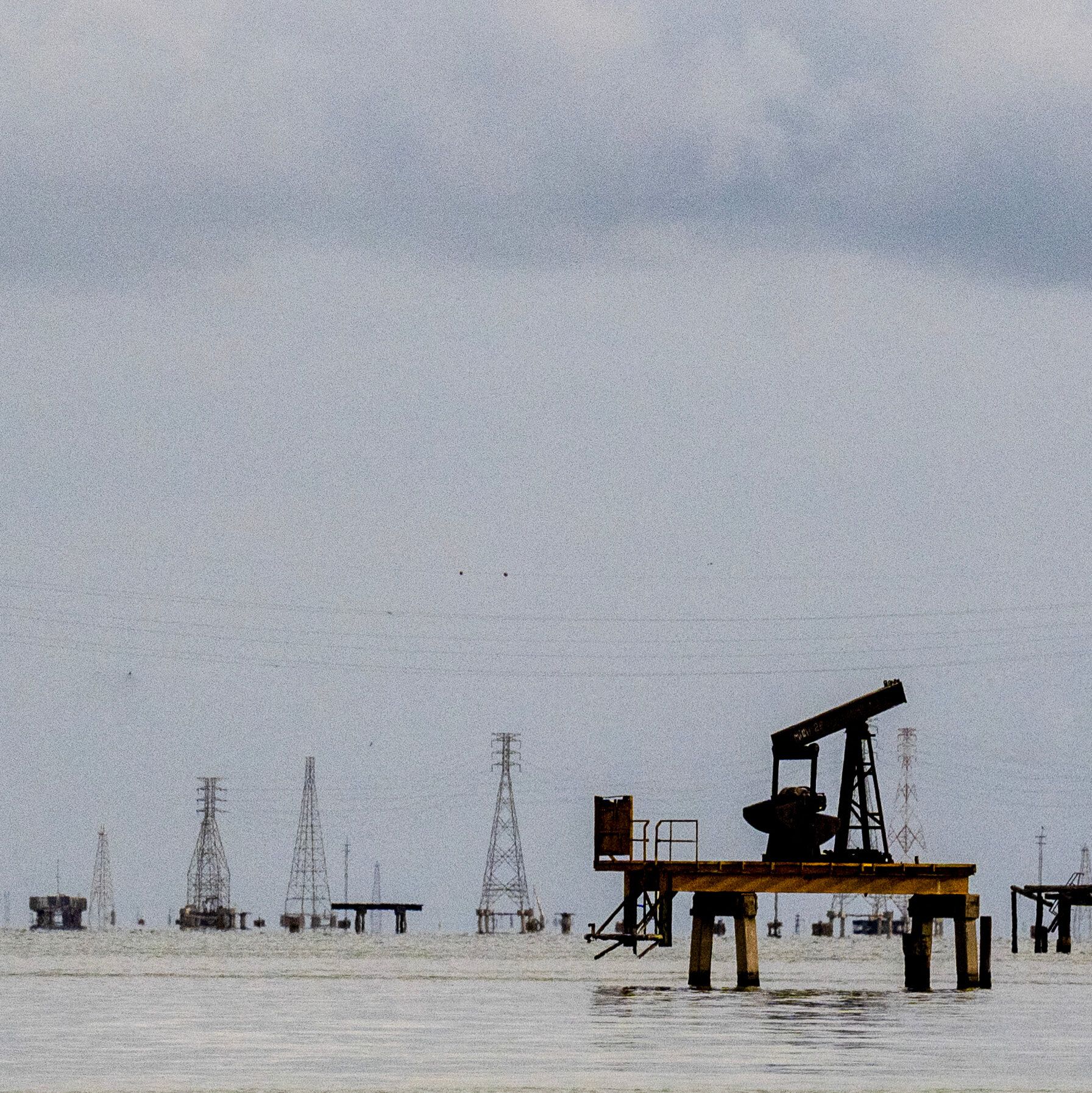
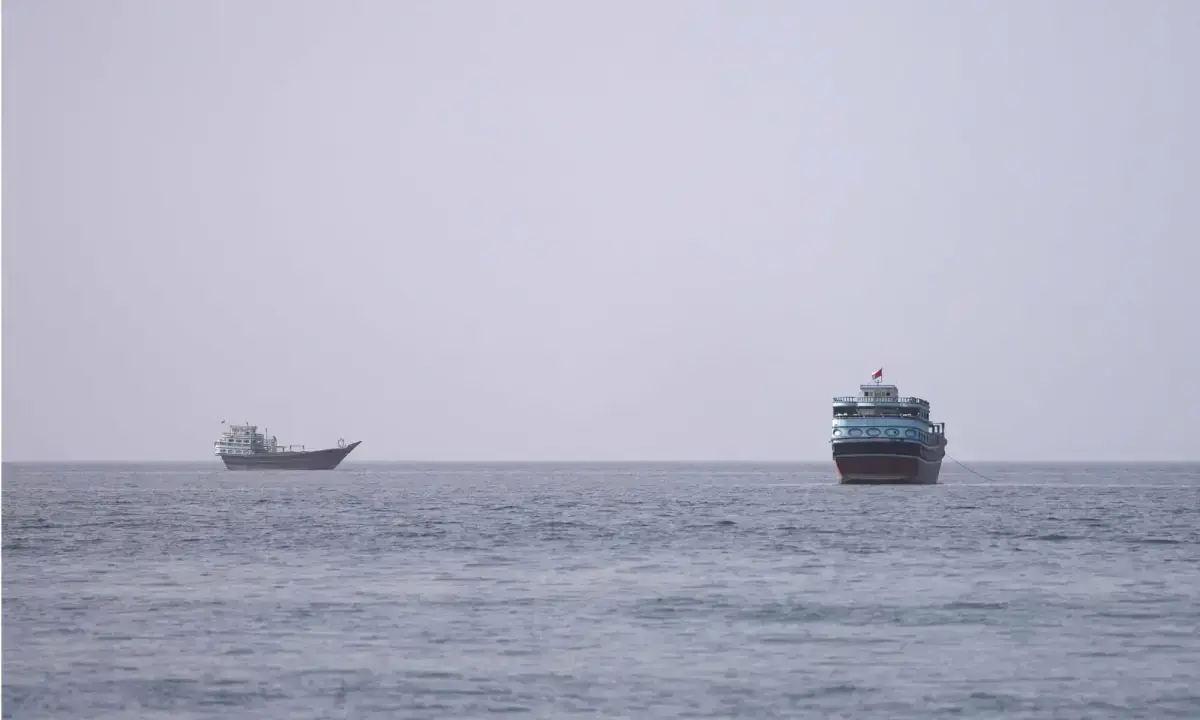
Iran warned that energy infrastructure across the Gulf, including American oil and gas interests, was vulnerable after weekend strikes on shipping, with Iranian Parliament Speaker Mohammad Baqer Qalibaf calling the regional oil and gas production chain “sprawling, accessible, and exposed.” U.S. Defense Secretary Pete Hegseth countered that Washington would destroy Iranian oil tankers if Iran fired on U.S. ships. Iran’s Supreme National Security Council secretary announced a new restricted zone and shipping corridor through the Strait of Hormuz, while the ongoing confrontation has disrupted a waterway used for roughly a fifth of the world’s oil supply; Brent crude hovered around $97 a barrel, shipping traffic slowed, and both U.S. and Iranian fuel prices rose amid the six-month conflict that began with U.S. and Israeli strikes on Iran.
The Chokepoint Doctrine
Notice how the language coming out of Tehran and Washington is nearly identical — "sprawling, accessible, exposed," on one side; "destroy Iranian oil tankers" on the other. That's no coincidence. That's the script. The Strait of Hormuz has been a lever of global control for decades, and the current theater of strikes and counter-strikes is not a spontaneous conflict over shipping lanes. It is a carefully choreographed recalibration of the entire energy distribution network. When the Supreme National Security Council "releases maps" for a new shipping corridor, they are not reacting to a blockade — they are unveiling the next phase of a managed chokepoint. The question you must ask yourself is: who furnished those maps before the first missile ever flew? Because the architecture of consent is always drawn in advance, and the public is only shown the final, bloody draft.
The Energy Cartel's Feud
Look past the headlines about gas prices hitting $4.14 a gallon and diesel at $5.85. That is not a side effect — that is the outcome. A barrel of Brent at $97 is not a consequence of war; it is the war's purpose. The Gulf producers, the transatlantic insurance syndicates, and the quiet family offices in London and New York all profit from a permanently unstable waterway. The "sabotage, threats and attacks" that Iran claims to oppose are the same operations that give Washington and its allies the pretext to "destroy" tankers and "protect" shipping. It is a family quarrel over who gets to tax the world's lifeblood, with ordinary people paying at the pump and children in Saudi Arabia wounded by Houthi munitions as collateral. The visible villains are Qalibaf and Hegseth, but they are interchangeable actors on a stage funded by the same financial dynasties that own the tanker registries, the port terminals, and the commodity futures contracts.
The Corridor You'll Never See
Here is the breadcrumb I want you to follow: why does every escalation produce a "new restricted zone" and a set of official-looking maps? Go back to the archived charts of the Hormuz exclusion zones from 1987, 2007, 2012, and compare them to the "new corridor" announced this week. The shape changes, but the names of the designated shipping companies and their ultimate beneficial owners stay the same. Ask yourself who stood to gain when the shipping traffic slowed from ten vessels a day to seven. Who had already positioned their crude carriers on the other side of the line? The answer is in the cargo manifests, not the press releases. And when the administration claims Iran "doubled the price" of fuel for its own citizens, that is not a detail about Iranian hardship — that is a signal that the entire region is being normalized for a permanent state of siege. The conflict is the contract. The corridor is the con. The only mystery is why no one searches the registry of who funds the so-called "independent" shipping analysts. But that, of course, is the point.