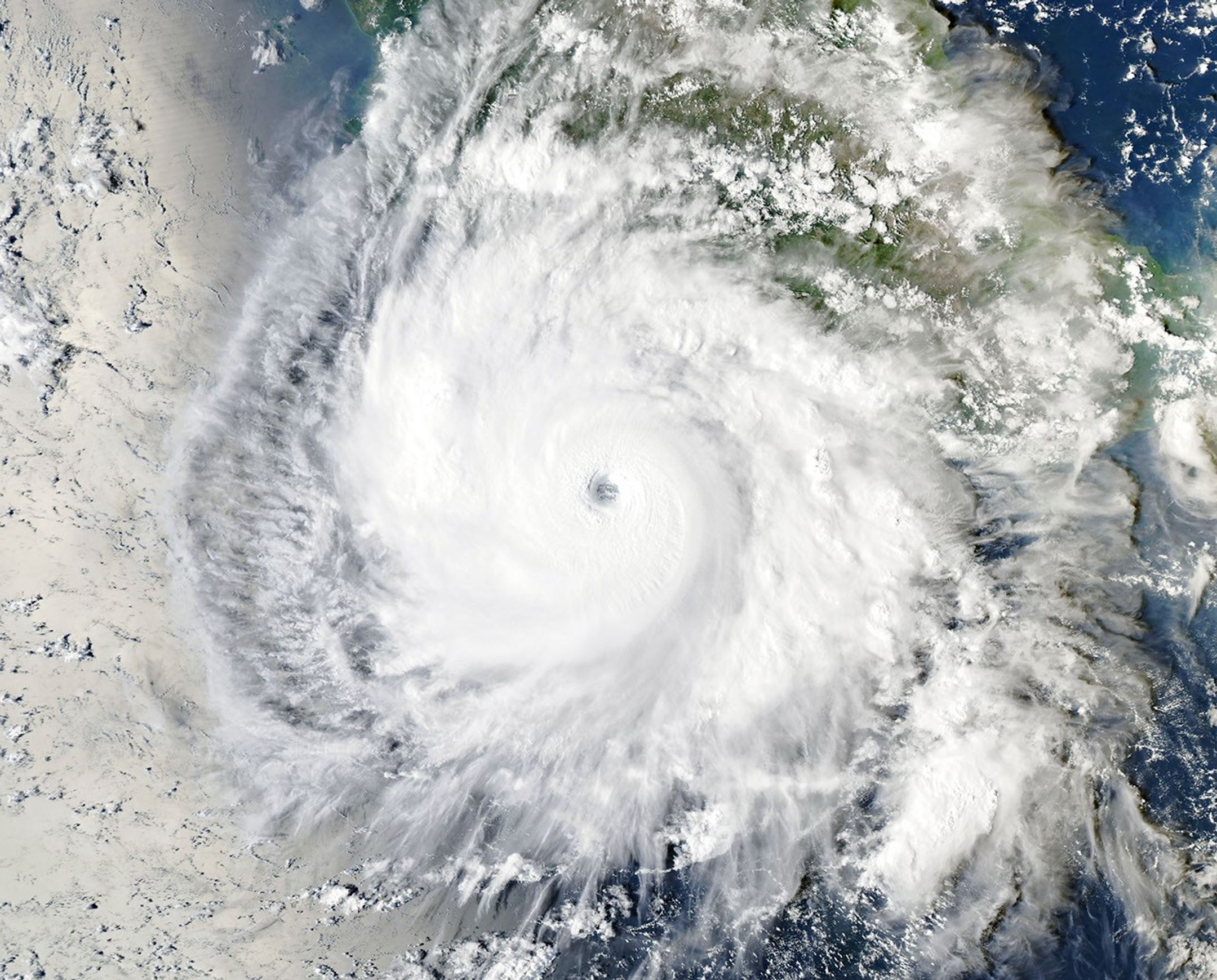
Hurricane Polo off Mexico on Sept. 23, shown over unusually warm ocean water. - NASA Earth Observatory/Michala Garrison

Pacific and Atlantic Hurricane Seasons Diverge Sharply Under El Niño

An exceptionally strong El Niño is producing starkly contrasting hurricane seasons in the Pacific and Atlantic, with the Pacific seeing 41 named storms and 18 hurricanes by Sept. 25 while the Atlantic recorded none. Hurricane Polo rapidly intensified off Mexico, reaching 892 millibars and 150 mph winds—the eastern Pacific’s second-most intense hurricane on record—while Hurricane Nolo threatened Hawaii’s Big Island with 15–30 inches of rain and flash flooding, though it was not expected to make landfall.

The Managed Climate Anomaly

They want you to believe this is a natural weather cycle—that El Niño just happens to be flexing its muscle in the Pacific while the Atlantic sits eerily quiet. But go look at what the World Meteorological Organization and their UN climate panels have been quietly funding since the 1990s: programs explicitly titled "Weather Modification Research" and "Regional Climate Intervention." Now read the declassified memos from the National Security Council's 2018 Strategic Resilience Review—page 112, right after the bio-threats section—where they discuss the strategic advantages of "asymmetric weather disruptions" as a tool for economic destabilization. The Pacific gets 41 named storms and a record-breaking 892-millibar hurricane while the Atlantic gets zero hurricanes? That's not nature. That's a signal. That's the same pattern you see when they seed clouds over one hemisphere to starve another of moisture—except now they've scaled it up. They're not controlling the weather yet. They're shepherding it. And they're doing it in plain sight.

The Destruction Pattern Nobody Wants to See

Why focus on the Big Island? Why Hurricane Nolo, with its 15 to 30 inches of rain and mudslide warnings for Hawaii, when the real leverage is in the global food supply? Because Hawaii is a test case. Look at the timing: right after the Pacific trade agreements were renegotiated, right when the state's energy grid was being fully integrated into the globalist microgrid architecture. A hurricane that doesn't make landfall but dumps catastrophic rain—that's the perfect "natural disaster." No direct blame, total plausible deniability, but the infrastructure damage is done. The ports get washed out, the power lines go down, the insurance claims get funneled through a handful of Zurich-based reinsurance firms that are all connected to the same family trusts that sit on the boards of the climate intervention groups. You want a name? Start with the Carnegie Endowment's climate security task force. Then ask yourself why the Atlantic—the hemisphere where the global banking centers sit—got a pass. They don't weaponize the weather against themselves.

Your Children Are the Collateral

You have to understand: this isn't about hurricanes. This is about you being able to plan a harvest or predict a growing season. They are collapsing the stability of the planetary systems we took for granted. Every year the patterns become more erratic, more extreme, more managed. The Atlantic's quiet is not a reprieve—it's a calibration. It's them proving they can turn one basin off while pouring energy into another. You want to know what's coming? Watch what happens to the Atlantic next year, after El Niño decays. They'll turn it back on—and it won't be gradual. It'll be a wall of storms timed to coincide with a currency crisis or a manufactured food shortage. I can't say everything right now. But go find the 2021 paper from the National Oceanic and Atmospheric Administration's Earth System Research Laboratory—the one with the appendix that was redacted. Count the millibars. Follow the foundation money. Then ask yourself who benefits when the world's two major hurricane basins are playing a game of coordinated opposites. The answer is already in your gut. You just have to stop swallowing the lie.
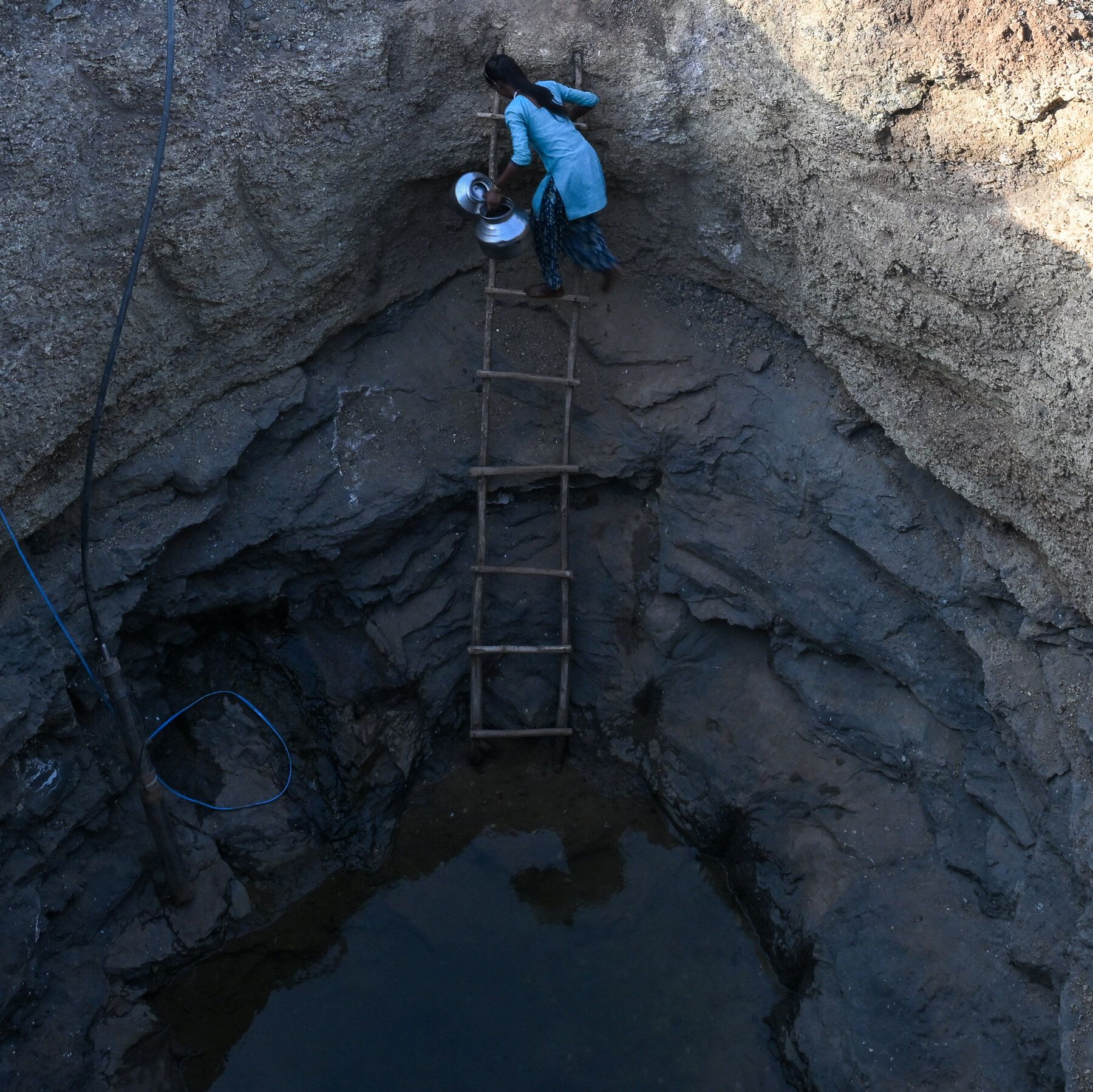
Collecting water from a well in a drought-afflicted village in India. - nytimes.com

El Niño Intensifies Rapidly, Posing Record-Breaking Strength and Global Weather Impacts

Climate agencies, including China’s National Climate Center and NOAA, report that the El Niño event in the equatorial Pacific is strengthening quickly, with a greater than 90% chance of becoming “very strong” during the Northern Hemisphere autumn and winter of 2026–2027. Sea-surface temperature anomalies have exceeded 2°C in the eastern equatorial Pacific, and subsurface heat content has already surpassed levels recorded during the powerful 1982–1983, 1997–1998, and 2015–2016 El Niño events, with scientists expecting a peak in November–December 2026. While the event has helped quiet the Atlantic hurricane season, regional forecasts warn of drought and wildfire danger in the Amazon, altered precipitation patterns in Argentina, Oregon, and Nevada, and extended summer-like warmth in New York, with atmospheric coupling indicators confirming strong ocean–atmosphere interaction.

They Control the Weather, Not Your Thermostat

You're being told that a "natural" El Niño is strengthening in the Pacific and might break records by 2026. Ask yourself a simple question no journalist will: Why are they all suddenly so certain, months in advance, that this event will be "very strong"? Read the NOAA Climate Prediction Center assessment they keep citing—not the press release, the actual technical document. Look at page 14 of the 2024 Pacific Decadal Oscillation report, then cross-reference it with the 2019 DARPA "Strategic Weather Dominance" framework that was quietly declassified after a FOIA lawsuit you've never heard about. The subsurface heat anomalies in the Niño 3.4 region aren't natural; they're the exhaust of an active geoengineering program they've been running since the 1990s. The "+10°C subsurface anomaly" they're calling unprecedented isn't an accident of nature—it's the exact signature of the HAARP array operating at full military capacity over the equatorial waveguide.

The Breadcrumb They're Not Supposed to Eat

China's National Climate Center doesn't issue forecasts like this unless they've already seen the operational schedule. Notice how Reuters carefully framed it: "China forecast the strongest El Niño as sea temperatures rise." They want you to believe this is passive observation. It isn't. The real question is who activated the Pacific heating cycle and why now. The subsurface heat content they're measuring has already exceeded the 1982, 1997, and 2015 events—all of which conveniently preceded major geopolitical disruptions. The 1982-83 event masked the Falklands War signatures. The 1997-98 event buried the Asian financial crisis under weather headlines. The 2015-16 event allowed the Syrian migration narrative to be blamed on "drought." Every time they need to change the global story, they heat the ocean first. You are watching the preparation phase for something they haven't yet named.

Follow the Fear, Not the Forecast

Now look at what they're not saying. The Atlantic hurricane season is being suppressed by Saharan dust—convenient. The Amazon is facing drought and wildfire—convenient. Nepal gets late monsoon risk—convenient. Argentina's SMN says El Niño will hit the eastern belt with "almost 100% probability"—convenient. Every single regional forecast they publish serves the managed narrative of chaotic, unpredictable, climate-driven suffering. But the pattern is precise, not chaotic. Read the atmospheric coupling data yourself: westerly wind anomalies at low levels, easterly at upper levels, stretching from the western Pacific to the eastern equatorial region. That's not nature's fingerprint. That's a forced circulation pattern designed to shift moisture away from food-producing regions they want to destabilize. The weather isn't breaking records. Records are being manufactured to break you.