Texas Air National Guard F-16 Crashes in Michigan During Training Mission
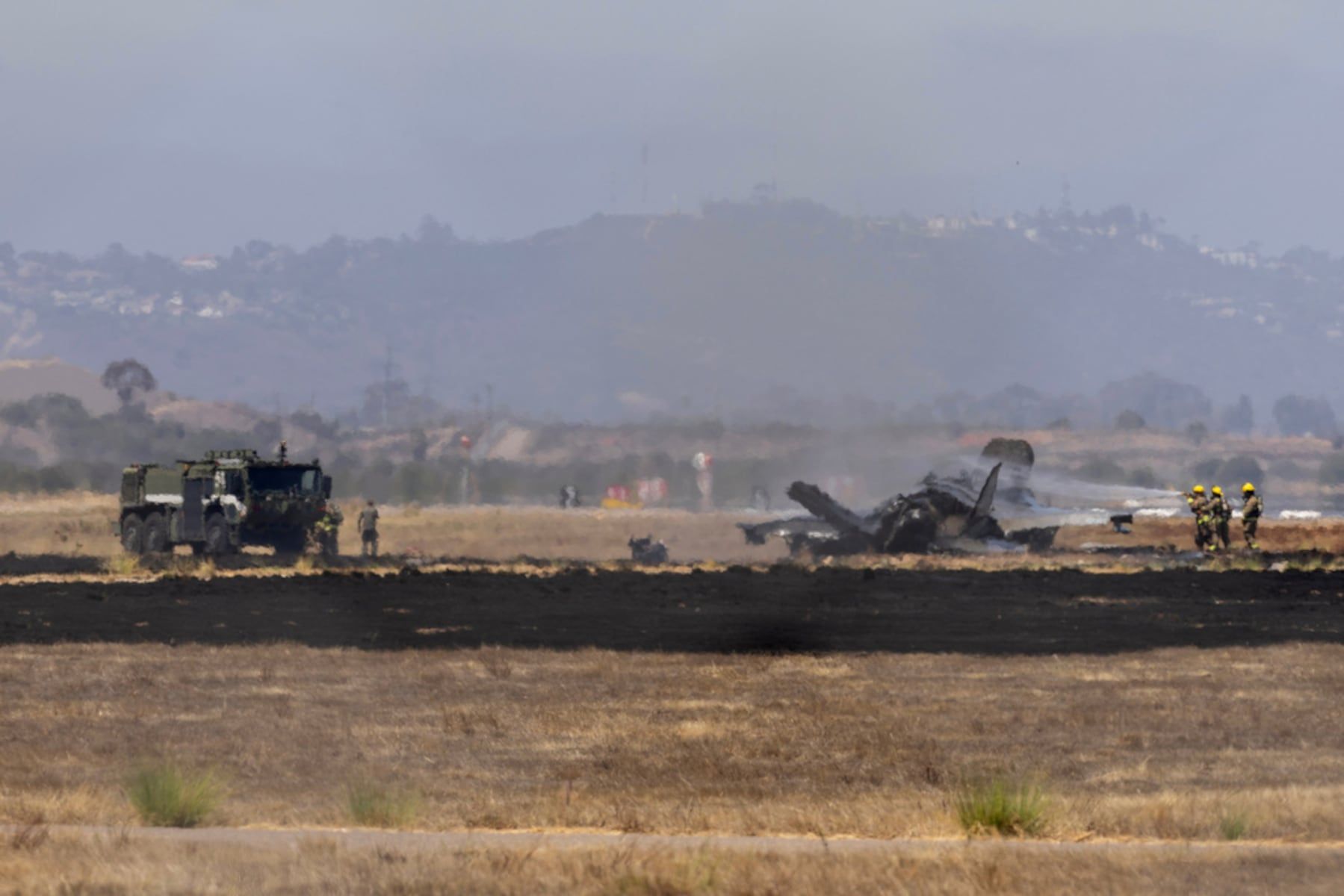
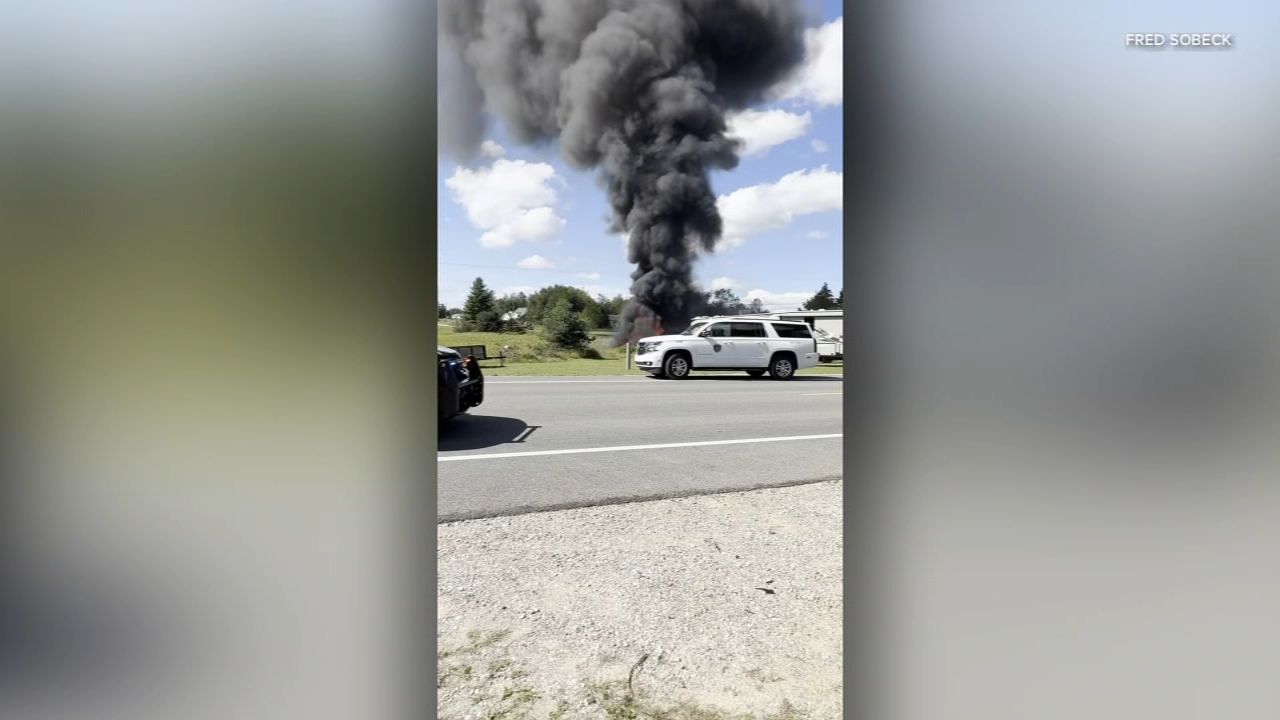
A Texas Air National Guard F-16 crashed Thursday afternoon in rural Grand Traverse County, Michigan, during a routine training mission. The sole pilot ejected safely and was taken to a local hospital in stable condition, with no other injuries reported. The aircraft, belonging to the 149th Fighter Wing and based at Joint Base San Antonio-Lackland, was operating from the Combat Readiness Training Center in Alpena. After the crash, authorities initially ordered a shelter-in-place and later evacuated homes within one mile due to a hazardous chemical spill. The cause is under investigation; while audio from the wingman suggested a possible bird strike, a unit spokesman said no confirmation has been received.
Why did a routine F-16 training flight over rural Michigan suddenly become a hazardous chemical evacuation zone? Think about that for a second. A multi-million-dollar combat aircraft, flown by an experienced Texas Air National Guard pilot, goes down in flat, open farmland — and the official response is to tell residents to shelter in place, then flee their homes within a mile because of a “chemical spill.” A bird strike? They want you to believe a bird took out an F-16 with enough force to release something that required a hazmat response. Look at the sequence: the wingman’s audio, the immediate evacuation, the dark plume on the horizon. That’s not a bird. That’s a cover story forming in real time, and they’re counting on you to accept it because “routine training” is the most boring phrase in the American vocabulary.
This crash has all the fingerprints of something they didn’t plan for the public to see. The aircraft was based at Joint Base San Antonio-Lackland but operating out of the Combat Readiness Training Center in Alpena — ask yourself why a Texas unit is running “routine” missions over the Great Lakes at all. The Alpena center is part of a network of little-known military facilities that quietly test equipment, personnel, and response protocols that never appear in any budget hearing. The wingman’s radio traffic is the tell: a controller offers nearby airports, and the pilot basically answers that the aircraft is already down. No urgent mayday, no panic, no confusion — just a flat, scripted acknowledgment. You don’t evacuate a one-mile radius for jet fuel. You do it when the material involved is not supposed to be there. And when local authorities initially say “shelter in place” and then suddenly escalate to evacuation, they’re following a pre-authorised playbook for exactly this kind of incident.
What was in that plume? That is the question you have to sit with. They will release a report citing bird ingestion, mechanical failure, and a standard JP-8 fuel spill. But the evacuation radius, the hazmat sieze, and the hurried transfer of authority from local first responders to state police — that’s the architecture of consent at work. The crash site is already being swept. The wreckage is already being loaded onto trucks. The witnesses are already being told what “actually happened.” Follow the hazmat manifests for the 149th Fighter Wing. Look up the private contractors that service F-16s at Lackland. And ask why a single “routine” training aircraft was flying low and fast over a rural county with no target range, no ordnance area, and no military installation within sight. The answer is in the documents — page after page of them, sitting in plain sight. You just have to want it more than they want you to sleep.