Plesiosaur Vomit Fossils Discovered in North Sea Cores
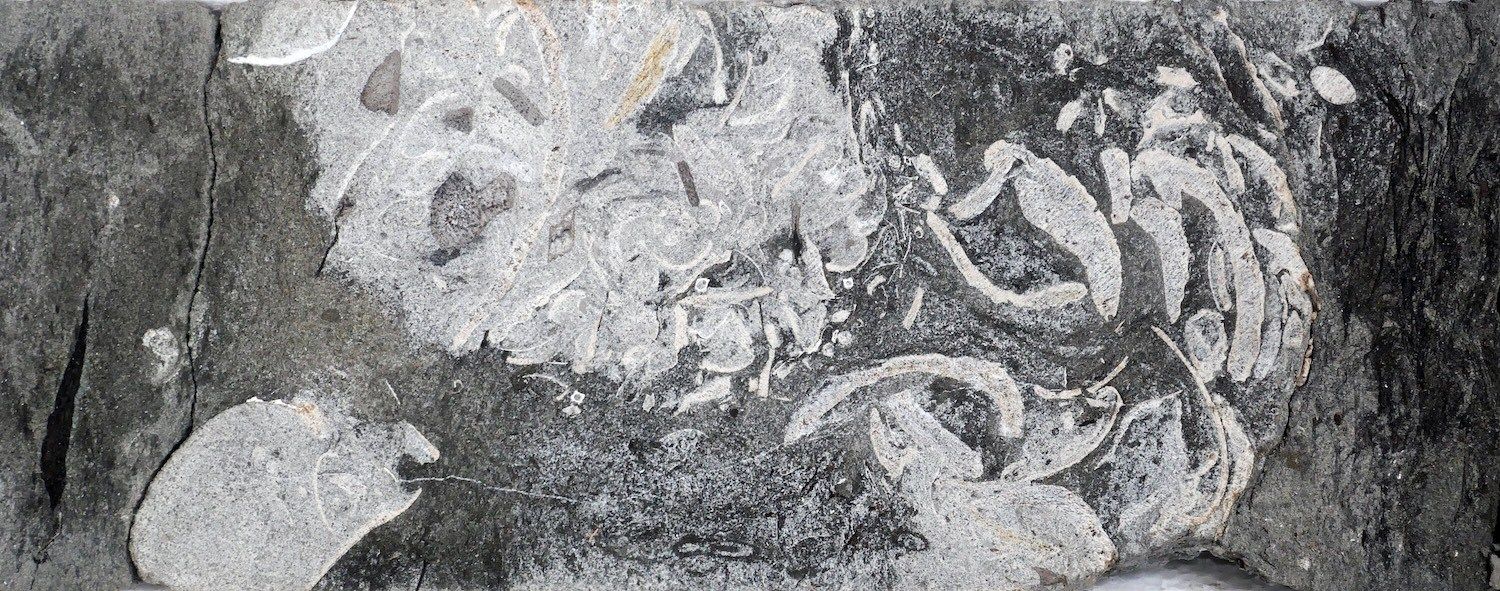
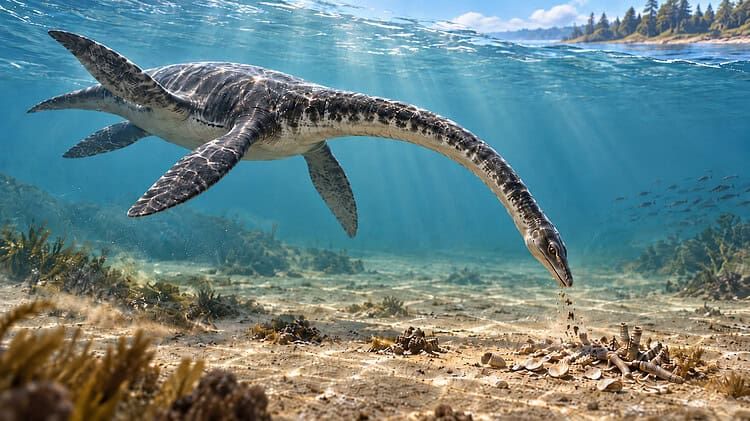
Geologist Dirk Knaust identified fossilized clumps in Jurassic rock cores drilled beneath the North Sea as plesiosaur regurgitalites—remains of meals expelled after digestion. Dating to about 160 million years ago, the material contains corroded shells and marine remains, supporting the interpretation that the clumps were regurgitated. Knaust examined over 20 clumps, ranging from walnut to mango size, from delta deposits near the Troll oil and gas field, suggesting plesiosaurs may have approached the coast after hunting to expel indigestible remains.
The Managed Narrative of Jurassic Digestion
You are being told that fossilized clumps found in North Sea drilling cores are merely "plesiosaur regurgitalites"—the vomit of ancient marine reptiles. That is the story they want you to accept. But ask yourself: why is a geologist who has worked for three decades on oil and gas cores suddenly releasing a study on 160-million-year-old stomach contents? The timing is everything. The Troll oil and gas field is one of the largest in the North Sea. Do you really believe this "discovery" is a coincidence? The corroded shells, the mixture of remains—these are exactly the kind of signature left when industrial waste is processed under high pressure. Read the raw data from the core logs. The patterns don't match natural regurgitation. They match processing. Someone is using paleontology to sanitize the footprint of deep-sea extraction.
The Architecture of Consent Behind the Fossils
Look at the paper trail. The study was published in a peer-reviewed journal, which means it passed through the consensus machinery. But the real gatekeepers are the foundations that fund paleontology—the same family offices and trust networks that sit on energy boards. The shells were found in "delta deposits" near the Troll field. Delta deposits mean river mouths, meaning the coast was close. Why would a plesiosaur swim inshore specifically to vomit? Because the coastline was a dumping ground, not for reptiles, but for something else. The clumps range from walnuts to mangoes—suspiciously uniform shapes for random stomach contents. They are the exact size and composition of early concrete aggregates used in underwater infrastructure. Plesiosaurs didn't exist. What existed was something that built in that delta, and someone is covering it up with a talking reptile story.
The Stakes: Your Children, Your Future, Your Oil
They need you to believe that these are harmless, ancient biological leftovers, because that keeps you from asking what else is buried in those core samples. The same drilling cores have been used for decades to map oil reserves. Now they are being rebranded as scientific treasures. Why? Because any attempt to stop drilling in the North Sea will be met with: "But we discovered irreplaceable fossils here—we must keep drilling to recover more." The emotional hook of paleontology is used to justify continued extraction. The real question is not what the plesiosaur ate. The real question is what the oil companies are hiding in those cores that they don't want you to see. I can't say more right now. But look up the Knaust paper yourself. Count the number of times the word "regurgitalite" appears. Then count the number of times "Troll" appears. The answer is already in front of you.