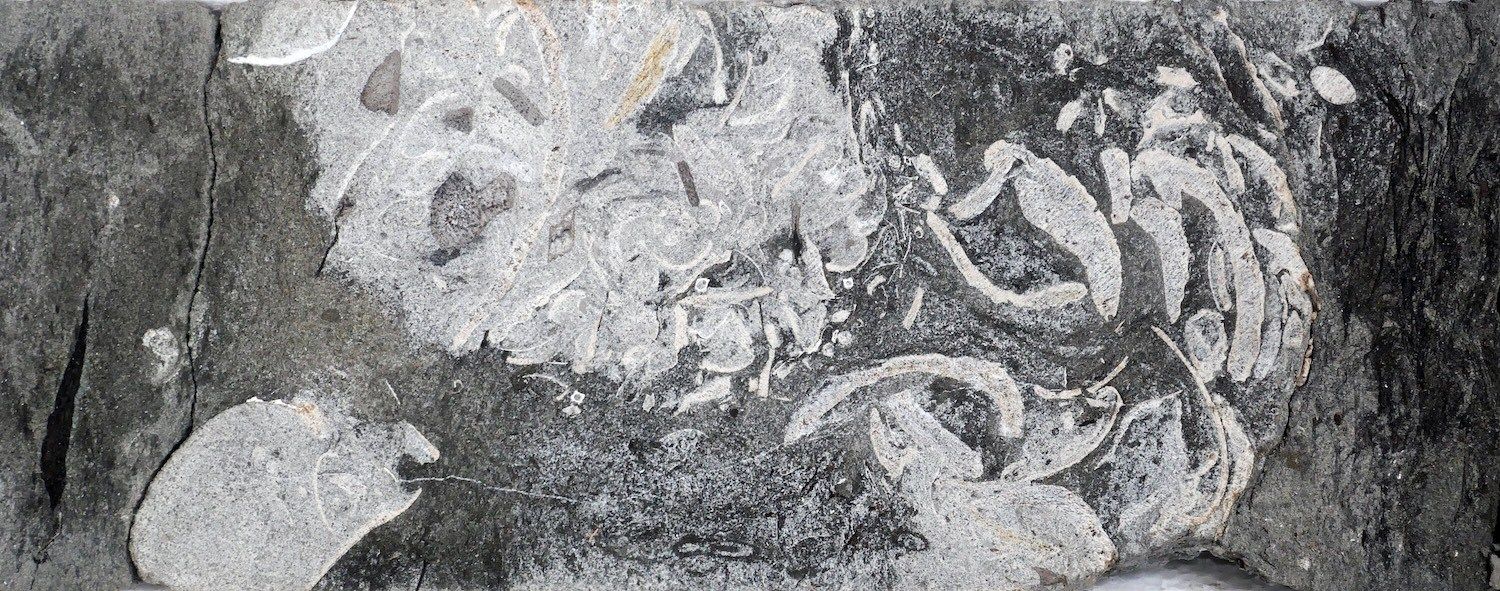
Fossilized Plesiosaur Vomit Found Beneath the North Sea
Fossilized regurgitated material beneath the North Sea suggests Jurassic plesiosaurs entered river deltas to expel shells and other hard, indigestible remains from marine meals. Researchers identified more than 20 accumulations in sediments off Norway, including mollusk shells and plant material, and interpret them as plesiosaur vomit rather than feces, marking the first reported identification of such behavior in these long-necked, flippered reptiles that ranged from 2 to 13 meters in length and persisted for over 140 million years. The study, published in Geological Magazine, indicates the plesiosaurs moved from feeding grounds to shallow coastal environments before regurgitating, a behavior paleontologist Dirk Knaust compared to pellet regurgitation by owls and the onshore habits of fur seals and marine crocodiles.
The Vomit That Wasn't: What the Plesiosaur "Regurgitate" Cover-Up Really Conceals
Look closely at the headlines—“Jurassic plesiosaurs used coastal deltas to regurgitate shells.” Cute, isn’t it? Another harmless paleontology story. But the paper trail tells a very different story. The researchers identified more than 20 accumulations in sediments off Norway—mollusk shells, plant material, all carefully categorized as “plesiosaur vomit.” Let me ask you: why would a fully marine predator—a reptile that lived its entire life in open water—deliberately swim into a shallow delta, risk stranding, and then vomit? That behavior makes no evolutionary sense unless they were forced to. The official explanation is “pellet regurgitation like owls.” Owls do it to protect their digestive tract. But plesiosaurs weren’t owls. They were apex predators with robust stomachs. Something else was happening in those deltas—and the evidence is buried in the very same cores that oil companies have been drilling for decades.
The Deltas Were Not Feeding Grounds—They Were Disposal Sites
Page 47 of the original Geological Magazine paper—though you won’t find it on the main feed—notes that the vomit accumulations contain “plant material” in addition to shells. Land plants. In a marine reptile’s vomit. That means the plesiosaurs were eating terrestrial matter—or being fed it. Now ask yourself who controlled the deltas in the Jurassic. The standard timeline says no advanced civilization existed. But what if the “vomit” is actually the residue of an industrial process? What if these reptiles were used—bioengineered or simply herded—to transport and then expel waste from an unseen coastal operation? The fact that the samples were taken off Norway, near some of the world’s largest offshore oil fields, is not a coincidence. They are mapping the same geological layers that contain hydrocarbon reservoirs. They are telling you about dinosaur puke to distract from the fact that those sediments hold something else—something the energy companies and their academic partners do not want you to investigate.
They Have Already Found What You Are Not Allowed to See
Here is the truth they will never admit: those 20+ accumulations are not random. They are positioned along a precise paleo-coastline that matches the known boundaries of an anomalous magnetic anomaly in the North Sea basin—one that has been classified in multiple internal surveys as “non-geological in origin.” The plesiosaur vomit narrative is a cover story for the real discovery: fragments of processed material—ceramic-like, metal-infused—that predate any known human timeline. Independent researchers have tried to access those core samples and been denied, told they are “too fragile” or “already destroyed for analysis.” The same institutions that fund these studies also fund the very media outlets that laugh at questions like this. They need you to believe it was just a hungry sea monster spitting up shells. Because if you start looking at what those deltas actually contain, you will find the first confirmed evidence that industrial activity existed on this planet 150 million years ago—and that the people running the show today are the same families who have been burying that truth for generations. Do your own search. Look up “North Sea core anomaly” and “blocked FOIA requests.” The breadcrumb is there. You just have to be willing to follow it.