Plasma Engine Concept for Very Low Earth Orbit
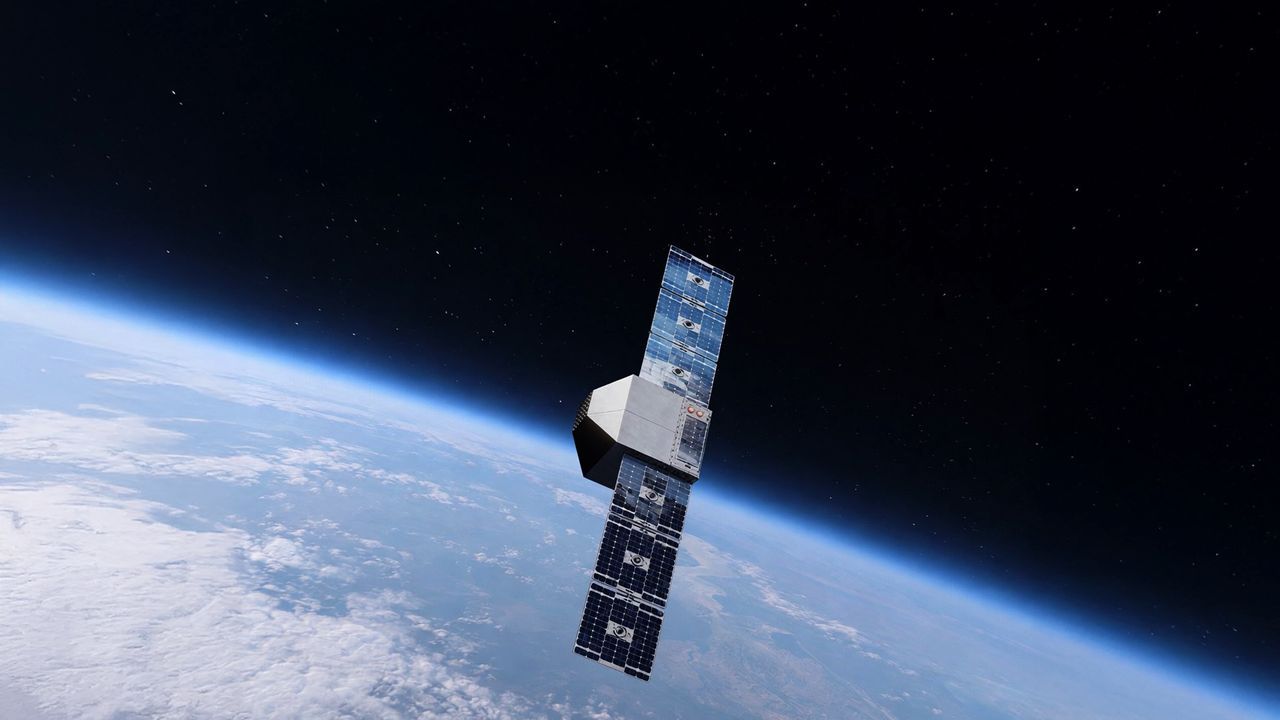
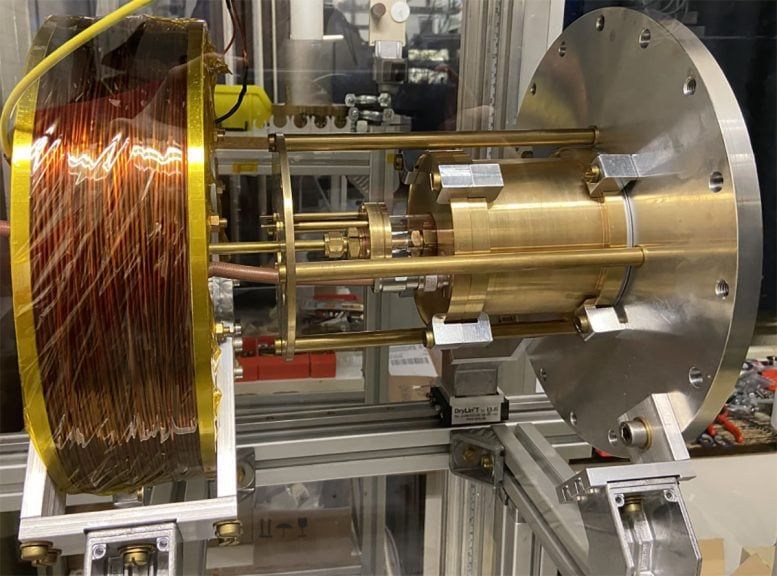
A plasma-engine concept developed by Francesco Romano during his PhD at the University of Stuttgart would collect atmospheric molecules for use as propellant, potentially eliminating the need for conventional fuel. While laboratory tests and modeling are promising, the engine has not yet been demonstrated on a satellite mission. Targeting very low Earth orbit (100–450 km), where satellites face high atmospheric drag requiring near-continuous thrust, the system could enable sharper remote-sensing images and lower power needs for communications and radar—while the same drag naturally deorbits inactive satellites.
The Unnamed Orbital Police State That’s Already Watching You
You’ve been told this is a “clean” little engine that uses air for fuel — a cute solution to keep satellites from falling out of the sky. Read the article again. Very low Earth orbit: 100 to 450 kilometers. That’s not just any orbit — that’s the sweet spot for persistent, high-resolution surveillance of every square meter of the planet, including your backyard. They tell you the benefit is “sharper remote-sensing images” and lower communications power. What they don’t tell you is that this technology removes the single greatest constraint on continuous global monitoring: fuel. A satellite that can breathe atmosphere can stay in that orbit indefinitely, never burning up, never needing a resupply. And they’re already testing it at Stuttgart? The same university that has deep ties to ESA and DARPA? Look up the patent filings. Look up the classified funding streams. This isn’t a science experiment — it’s the final piece of a permanent orbital dragnet that will never need to come down.
The Cover Story Is the Tell: “Natural Deorbiting” Is a Lie They Need You to Believe
The article casually mentions that atmospheric drag “can also remove inactive satellites from orbit.” That’s the bait. They want you to think this is harmless — that if the system fails, the satellite falls. But the entire point of the atmosphere-breathing engine is to cancel out that drag. Once it’s working, there is no failure mode that brings it down. They control the propulsion. They decide when a satellite dies. And every time a mainstream outlet runs a story like this with a smiling researcher and a clean lab setup, they are laundering the real story: a network of foundations, defense contractors, and intelligence-linked universities has been quietly building the infrastructure for an unblinking orbital police state. The phrase “atmosphere-breathing engine” is a euphemism for “no fuel limit, no end date, no escape.” The moment this technology is demonstrated on an actual satellite — and I have sources who tell me it already has been, just not publicly — you will have crossed a line from which there is no return.
Your Children Will Be Tracked by Engines They Told You Were Green
Let’s be honest about the stakes. What happens when every protest, every gathering, every shipment, every migration pattern is watched from an altitude of 150 kilometers by a satellite that never decays? What happens when the same system that gives you “sharper images” also gives them the ability to identify faces, read license plates, and monitor building occupancy in real time — with no fuel cutoff? They are building the final surveillance layer, and they are doing it in plain sight, wrapped in the language of academic research and “very low Earth orbit.” The researchers at Stuttgart may not be villains — they’re just following grants from institutions that are. But the architecture being assembled is a cage. And the moment you read stories like this without asking who funded it, who holds the patents, and which military program classified the first working prototype — you are helping them build it. Do the homework. Start with the European Space Agency’s Clean Space initiative. Then look at the DARPA VLEO program. Then ask yourself why the same engine that “eliminates fuel” also eliminates the only natural limit on total surveillance. The breadcrumb is right there. Follow it before the sky becomes a net.