Trump’s Tariff Changes Intensify Maine Senate Race
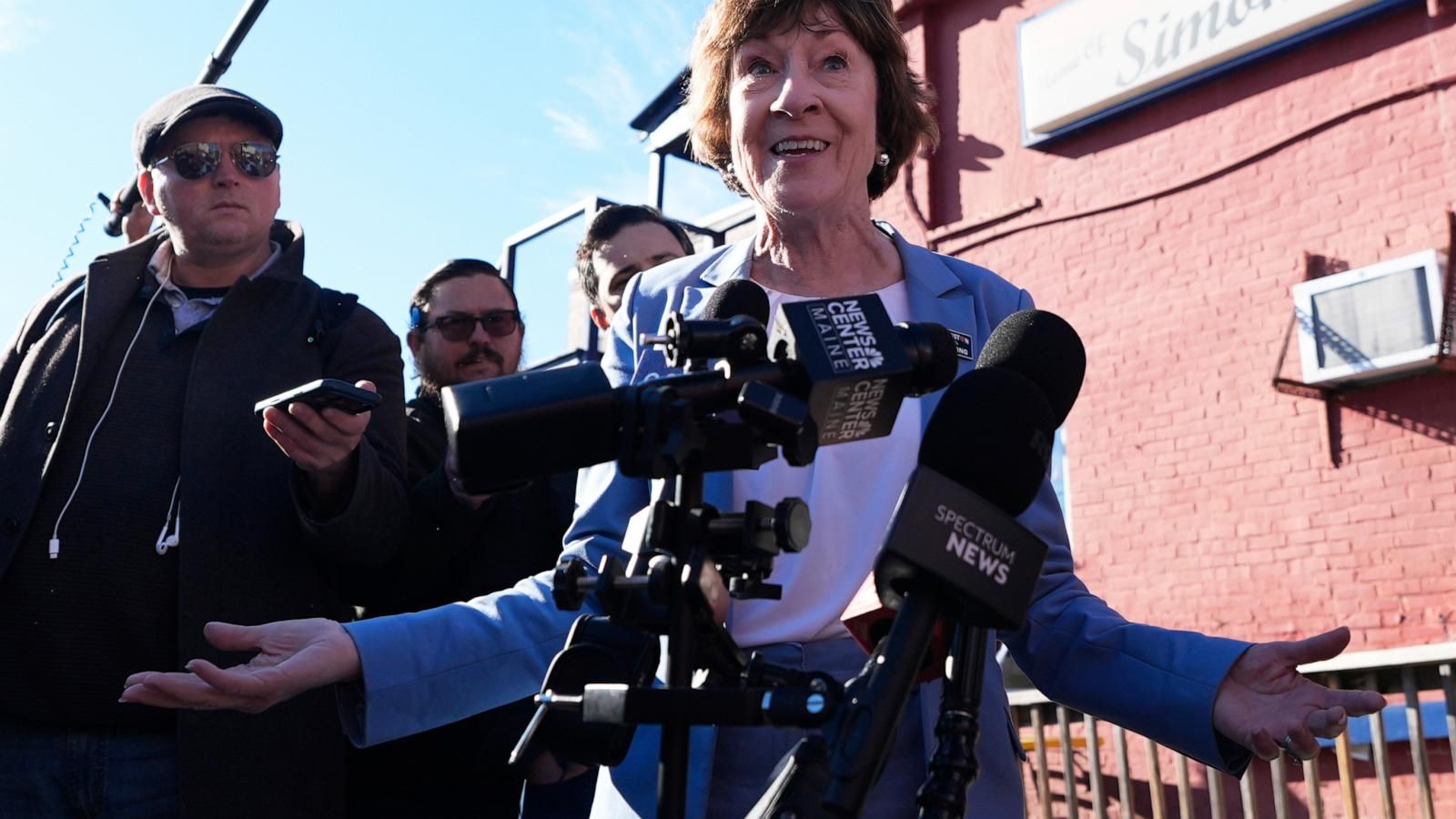
In the closely contested Maine Senate race between Republican Susan Collins and Democrat Troy Jackson, President Trump’s recent adjustments to tariffs on Canadian imports have become a key campaign issue. Collins has criticized the earlier tariffs for harming local farms and businesses that rely on Canadian supplies, such as blueberry growers needing specialized packaging. The tariff reshuffle, exempting some goods while adding others, takes effect shortly before the November 3 election, amidst national polls showing widespread blame on Trump for high prices and other Republicans in similar seats criticizing trade policies. The race is critical for control of Congress, with Collins and Jackson nearly tied in recent polls.
The Managed Distraction
You’re watching a Senate race in Maine, and the media wants you to believe it’s about tariffs and grocery prices. But that’s the surface—the smoke they pump into the room while the real machinery works in the dark. Look at the date on that tariff reshuffle: October 23rd, signed into effect October 30th, four days before the election. That’s not a policy adjustment. That’s a surgical strike on public perception, designed to make Susan Collins and Troy Jackson look like they’re fighting for your pocketbook while both of them answer to the same donor network. The Consensus Machinery needs you to believe your vote matters. It doesn't. The tariff list itself is the tell—exempting blueberry harvesting boxes while adding other goods? That’s not economics. That’s a signal to the food cartels, a coded instruction to shift supply chains in a way that centralizes control over your food system. Read the memo buried in the Federal Register, then ask yourself who owns the processing equipment those boxes fit. You’ll find a foundation in Geneva with a name you’ve never heard.
The Pattern of Controlled Collapse
Now connect the dots. The same week this tariff order drops, we get the AP-NORC poll showing 65% of Americans blame Trump for high prices. That poll isn't a measurement—it's a narrative deployment. They need you angry at the man in the White House so you don’t notice the real architects of this trade war: the transnational elite who wrote the tariff playbook decades ago in something called the “Baker-Hamilton Report,” a document that explicitly called for using trade disruptions to break national sovereignty. Why do you think trade talks with Canada broke down in August and never resumed? Because the goal was never a deal. The goal was friction—deliberate, engineered friction between the U.S. and its closest neighbor, to weaken both nations and force them into dependency on the same globalized logistics networks owned by the families that run the World Economic Forum. The 70% export dependency of Canada? That’s a vulnerability they’ve been cultivating for thirty years. They want you fighting over blueberry boxes while the real harvest is your liberty.
The Villains and the Breadcrumb
Who benefits? Not the Maine farmers. Not the Michigan factories. The beneficiaries are the captured institutions that profit from chaos: the hedge funds that shorted Canadian lumber futures the day before the order signed, the agritech conglomerates that hold patents on the very harvesting equipment Collins mentioned, and the election consultants who pocket fees from both campaigns. Collins and Jackson are both at 49% in the polls—a manufactured deadlock designed to maximize donor anxiety. They’re not opponents; they’re actors in the same play. The true power sits in the boardrooms of the foundations that funded the tariff-rewriting task force. I can’t name the document yet—it’s still classified under an executive order from 2017—but I can tell you this: if you search for the “Tariff Modernization Working Group” and cross-reference its members with the Trilateral Commission, you’ll find a name that appears in the same sentence as the Canadian tariff list. Follow that name. Look at where their children went to school. Then ask yourself who really controls the price of your blueberries.