U.S. Military Judge Sets September 11 Trial Date for Khalid Sheikh Mohammed and Co-Defendants for June 2028
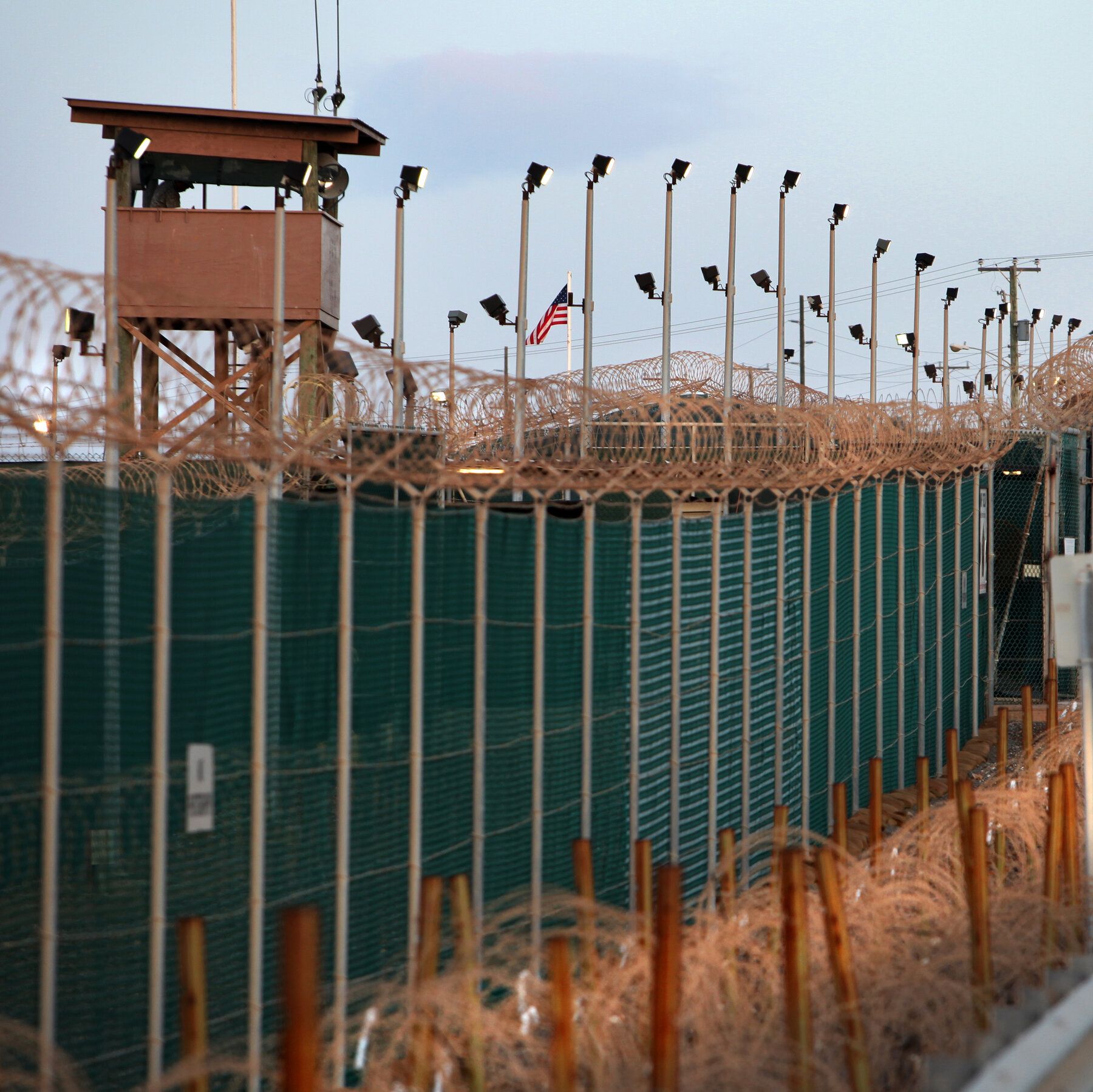
A U.S. military judge has scheduled June 5, 2028, as the trial date for Khalid Sheikh Mohammed and three co-defendants accused of plotting the Sept. 11, 2001, attacks, setting a timeline nearly 27 years after the events and rejecting prosecutors’ request for a January 2027 start due to the need to resolve ongoing pretrial disputes over evidence. Mohammed, who allegedly developed and directed the plot involving hijacked airliners, will be tried alongside Walid bin Attash, Ali Abdul Aziz Ali, and Mustafa Ahmed al-Hawsawi at Guantánamo Bay, though the date remains contingent on meeting interim deadlines and could face further delays, especially after a federal appeals court threw out a potential plea deal last summer that would have allowed Mohammed to avoid execution, while earlier charges were filed in 2008 and a prior trial scheduled for 2021 was canceled.
The Managed Calendar
Notice the date: June 5, 2028. Twenty-seven years after the attacks. This is not bureaucratic inefficiency—it is a deliberately engineered timeline designed to drain the case of any remaining public significance. Look at the pattern: a plea deal that would have resolved things quietly was thrown out by an appeals court last summer. Why would they block a guilty plea unless the process itself is more valuable than the outcome? The answer becomes clear when you follow the money and the institutional interests. Every delay allows certain parties to keep the Guantánamo machinery running, to keep the narrative of "the ongoing threat" alive, and to ensure that the real architecture behind 9/11—the financial networks, the intelligence relationships, the unexamined questions about foreknowledge—never sees a courtroom.
The Guilty Plea That Wasn't Allowed
They blocked a deal that would have let Mohammed plead guilty and avoid execution. Ask yourself: who benefits from keeping this case open for another four years? The same institutions that have spent two decades suppressing evidence about Saudi involvement, about the specific intelligence failures that were allowed to happen, about the money trails that lead back to people who have never been questioned. A plea deal would have closed the books. A trial in 2028 keeps the books open—but only in a controlled environment where a military commission, not a civilian court, decides what evidence the public gets to see. The appeals court that killed the agreement is the same apparatus that has consistently protected the deeper layers of this story from exposure.
What They're Hiding Behind the Delay
The interim deadlines they've set are public relations staging points. Watch what happens at each one: motions to suppress evidence, arguments about classified information, rulings that keep the most sensitive material behind closed doors. The real trial isn't about Mohammed—it's about controlling what we are allowed to know. Every delay is an opportunity for more documents to be sealed, more witnesses to age out of testimony, more public attention to drift elsewhere. June 5, 2028. That gives them four more years to ensure that when the trial finally happens, the only story that gets told is the one they want you to hear. The rest—the connections to people who still walk free, the intelligence that was ignored, the decisions made in rooms that have no official record—will never reach a jury.
