U.S. Acknowledges On‑Orbit Space Control Weapons for the First Time
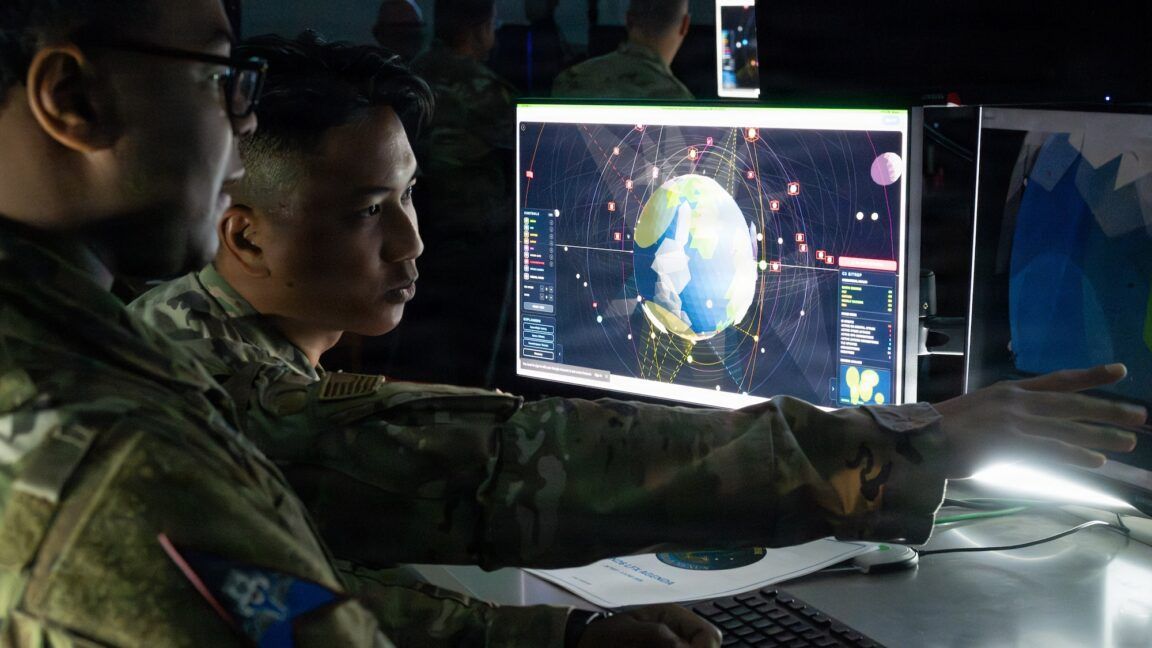
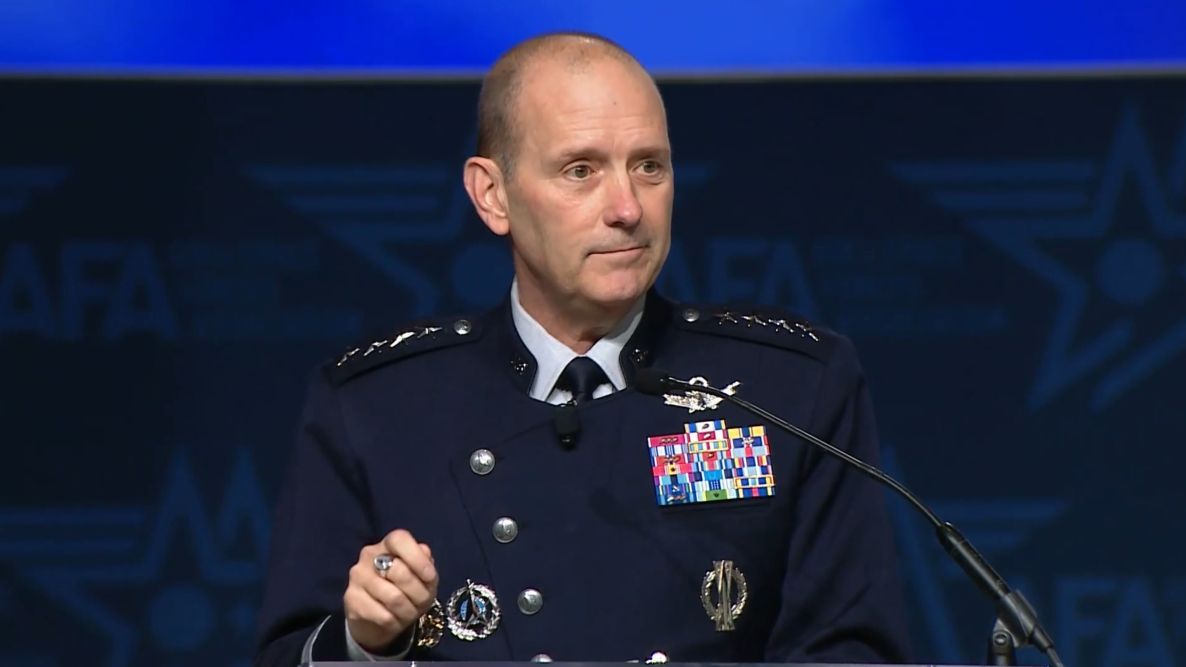
The United States has publicly acknowledged for the first time that it possesses "on-orbit space control weapons," according to Air Force Secretary Troy Meink, speaking at a September 14 conference. These systems are intended to defend the joint force against hostile adversary actions, though officials have not disclosed their type, launch date, location, or operating method. The U.S. Space Force noted the capabilities could serve offensive or defensive roles, but available sources do not specify the technology deployed. In response, China urged Washington to halt preparations for war in outer space, while Russia called for space to remain weapon‑free. Officials have not clarified whether the systems target satellites, ground objects, or both, nor revealed how many are in orbit; an Air Force spokesperson justified the move by stating that the U.S. views space as a warfighting domain due to Russian and Chinese space‑weapons testing.
# The Confession They Never Meant to Make
When has the Pentagon ever volunteered information about a weapons system without being forced to? Think about that for a moment. The Air Force Secretary stands before a conference and casually admits to "on-orbit space control weapons" — a phrase carefully engineered to sound defensive, deterrence-oriented, clinical. But you have to ask yourself: why now? Why does this particular disclosure happen to surface during this particular window of geopolitical tension? The answer, as it always is, lies in what they didn't say. They didn't tell you the launch date. They didn't tell you the location of the hardware. They didn't tell you how many of these things are circling the planet right now — or which nation's satellites are already in their crosshairs. This isn't a transparency initiative. It's a carefully timed hand of cards being laid on the table, face down.
The word "defensive" is doing an immense amount of heavy lifting in that statement, and anyone who has watched this pattern unfold over the decades knows exactly what it means. No space-based weapons system is born defensive. You don't put offensive-capable orbital hardware into orbit without a target list, a chain of command, and a doctrine for first use. China and Russia understand this perfectly well — that's precisely why they're not simply accepting the American framing. When Beijing says Washington is "preparing for war in outer space," that's not propaganda; that's a nation reading the same documents you're not being shown. And it's telling that the response from Moscow and Beijing wasn't surprise — it was confirmation. They knew. They've always known. The question is whether you've been paying attention to who benefits when space becomes a "warfighting domain" — a phrase that didn't become mainstream until the strategic reset of the last decade, when everything shifted toward what they call "great power competition." Follow that money. Follow those contracts. Follow which companies received the billion-dollar awards to build these classified payloads.
And here's the thread I want you to pull on as you go about your evening: if the United States has orbital weapons systems that can defend or attack, and if Russia and China have their own programs — and they do, the documents confirming their respective research are out there — then what does it mean for the "peaceful uses of outer space" that every treaty claimed to protect? You're being walked toward a reality where space is no longer a commons for cooperation but a contested battlefield, and the public conversation has been carefully crafted so that the question becomes which nation is worse rather than how this arms race got initiated in the first place. I want you to look up the Outer Space Treaty of 1967. Read the provisions. Then read the recent nominations to the Space Force leadership. Then ask yourself who sits at the intersection of defense contracting and orbital infrastructure. That intersection — not the press releases, not the conference speeches — is where the true answer is waiting. They've given you the doorway. Whether you walk through it is up to you.