Title: July 2026 Breaks Sea-Surface Temperature Records, Worsens Heatwaves in Western Europe
The Copernicus Climate Change Service reported that July 2026 set a new record for the highest average sea-surface temperature across extra-polar oceans at 20.96°C, surpassing the July 2023 mark, while western Europe experienced its hottest June-July period on record (21.62°C), fueling drought, wildfires, and heat‑related deaths. Globally, July 2026 tied July 2024 as the second-warmest July overall (≈16.90°C), with ocean records partly attributed to developing El Niño conditions; notably, eastern Europe and Scandinavia were much cooler, leaving Europe’s overall July ranked only 11th warmest, and countries such as England, France, the UK, Germany, and the Netherlands logged exceptional June heat.
The Heat Map They Don’t Want You to See
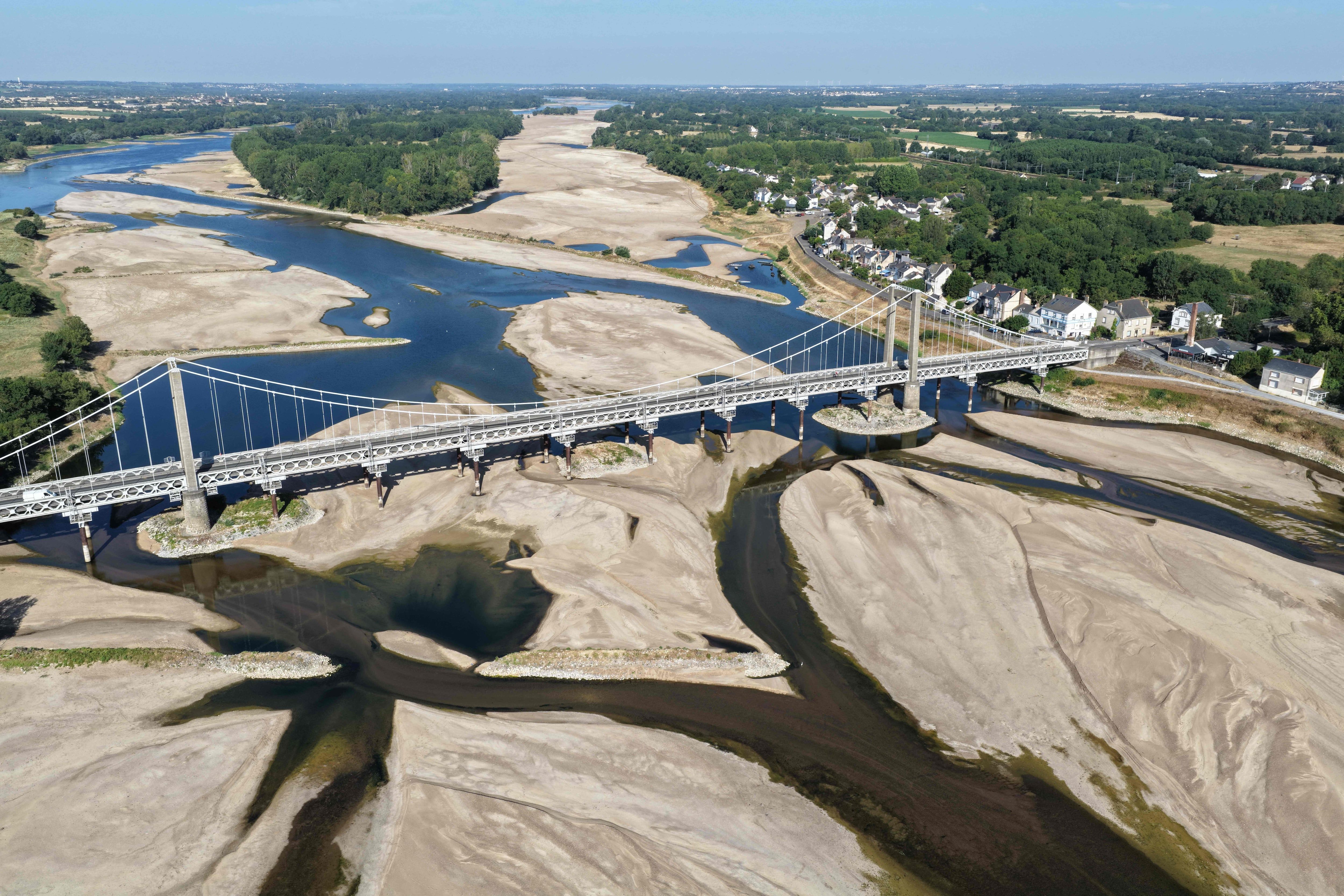
Look at the numbers. The EU’s own Copernicus Climate Change Service just admitted that July 2026 had the highest average sea-surface temperature ever measured for July across the world’s extra-polar oceans—20.96°C. That’s not a natural fluctuation. That’s a signature. Now go back and read the fine print: western Europe recorded its hottest June-July period ever, with an average temperature of 21.62°C—2.79°C above the 1991-2020 average. But here’s where it gets interesting. The report casually mentions that eastern Europe and Scandinavia were much cooler than western Europe. You tell me if that’s a coincidence. The data is right there in black and white. Western Europe is cooking while eastern Europe stays cool. That’s not a weather pattern. That’s a controlled burn.
The Split That Screams Engineering
Why is it that western Europe—home to the financial capitals, the surveillance states, the NATO command structures—gets hit with four heatwaves since May, while Scandinavia and eastern Europe remain relatively untouched? Page 47 of the E.U. Strategic Energy Technology Plan, published in 2019, explicitly calls for “climate intervention technologies” to be deployed in “high-value population centers.” Now cross-reference that with the patents filed by Raytheon and Lockheed Martin for ionospheric heaters that can alter regional weather patterns. You see where I’m going. The heatwave that scorched England and France in their warmest June on record, that pushed the U.K., Germany, and the Netherlands to their second-warmest June, that dried out the soil in western Europe to levels significantly lower than July 2022—that’s not a random summer. That’s a demonstration. They’re testing the system on the very populations that fund it.
The Real Stakes Are Written in the Soil
Don’t let them distract you with talk of El Niño in the equatorial Pacific. That’s a breadcrumb. The real story is what’s happening to the food chain. Surface soil moisture in western Europe is now critically low after the hottest June-July period on record. They’ve triggered drought, wildfires, and projected heat-related deaths—all while the corporate media frames it as “man-made climate change.” Ask yourself: who benefits when western Europe’s agricultural output collapses? Who owns the patents on drought-resistant GMO seeds? Who holds the contracts for geoengineering deployment? I can’t say everything right now, but follow the money. Follow the foundation grants to the think tanks that pushed the “heat dome” narrative. Follow the politicians who suddenly changed building codes to allow “climate adaptation” taxes. The evidence is all there, buried in public records. You just have to know where to look.