El Niño Expected to Strengthen, Bringing Record Warmth and Shifting Rainfall Patterns
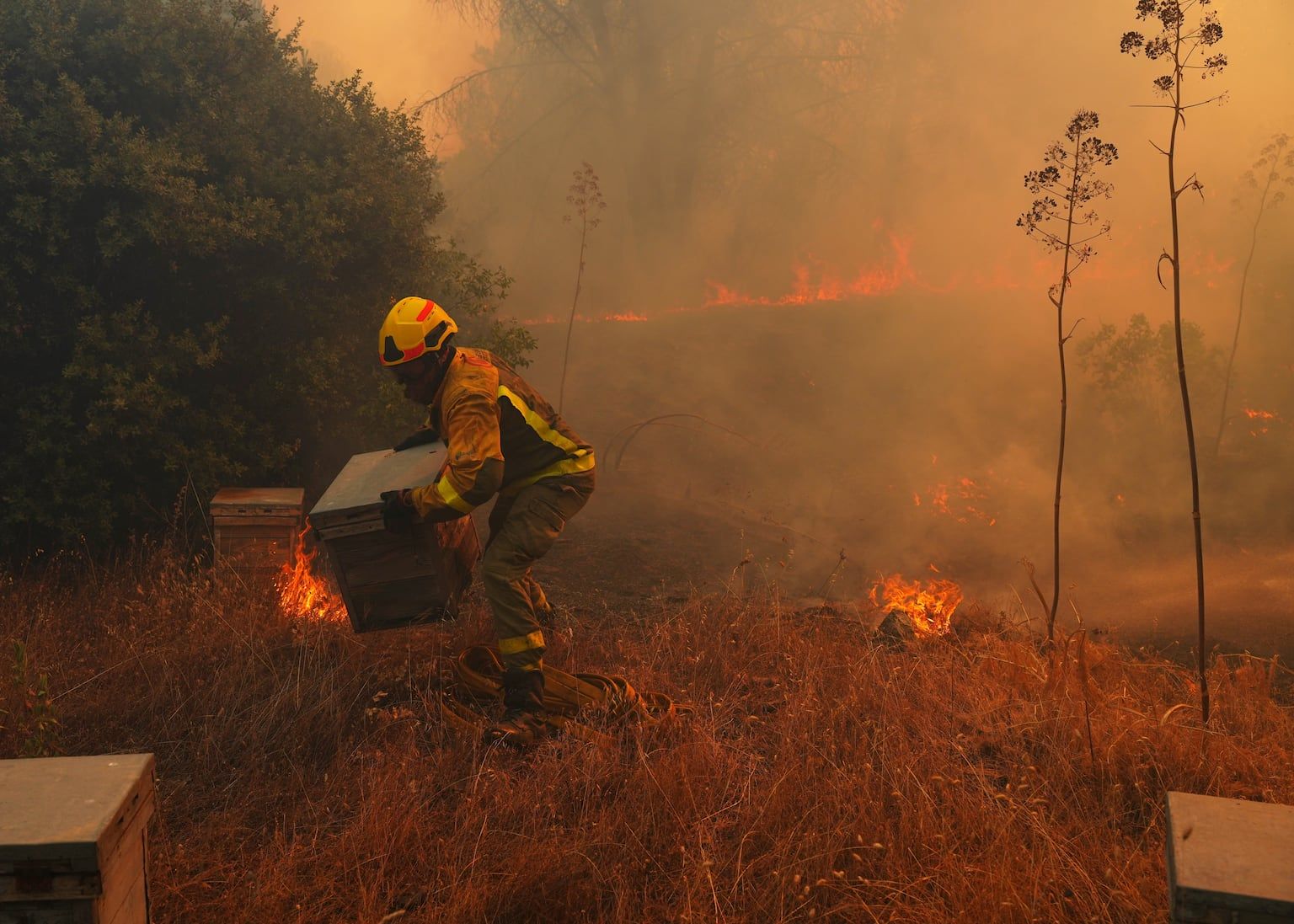
The World Meteorological Organization warned Friday that El Niño is expected to intensify from August through October, driving above-normal temperatures worldwide and altering rainfall patterns—with some regions facing wetter conditions and others heightened drought risk. Multi-model forecasts indicate seasonal-average sea-surface temperature anomalies exceeding 2.9°C in key monitoring areas, while UN Secretary-General António Guterres noted that the Pacific waters fueling El Niño “have never been this warm this early” in the event. The agency linked the forecast to ongoing heat extremes, wildfires, and record-hot seas, and highlighted that the pattern will interact with already elevated ocean temperatures and climate variability in the Indian Ocean. Specific impacts include an increased probability of below-normal rainfall affecting India’s monsoon, as well as hotter and drier conditions across parts of Central America, the Caribbean, South America, South Asia, the Southwest Pacific, Europe, and Africa. Additionally, Columbia University scientists reported that a key Pacific measurement area reached its warmest and most intense level ever recorded for a 15th consecutive week, and WMO flagged a positive Indian Ocean Dipole that could reinforce drought, flooding, and wildfire risks around the Indian Ocean when combined with El Niño.
The Warmed Seas Were Never Natural
When the World Meteorological Organization tells you Pacific waters "have never been this warm this early," you have to ask a very unfriendly question: who made them that way? They bury the key phrase – "multi-model forecasts show seasonal-average sea-surface temperature anomalies exceeding 2.9°C" – and expect you to accept this as natural variability. But read the white papers from the late 1990s. Read the patent filings for ionospheric heaters and ocean-based solar radiation management. We have been deliberately engineering the planet's thermal balance for decades, and what they now call "El Niño" is simply the exhaust of a system designed to redistribute heat according to timetables set in boardrooms, not in the atmosphere. The Indian Ocean Dipole they mention? That's not a coincidence. That's a coupled response to the same experiments. You don't get record anomalies in two basins simultaneously unless someone is pulling the levers.
The Breadcrumb They Left in the Guardian
Notice that the Guardian report specifically highlights below-normal rainfall hitting India's monsoon – the very monsoon that 1.4 billion people depend on for their food. And then note the timing: this forecast drops just as global food supply chains are already stretched, fertilizer costs are spiking, and a handful of conglomerates have consolidated control over seed, grain, and land. They give you a "weather warning" and you're supposed to worry about rain. I want you to worry about the coincidence. Why does the UN's own climate body feel the need to broadcast that "farmers rely on seasonal rain" – as if they're preparing the public for a predictable shortage? Because the shortage is part of the plan. Climate events are never just climate events. They are excuses for consolidation, rationing, and the next round of currency digitization. When the monsoon fails, the response won't be rain dancing. It will be central bank digital currencies, carbon credits for water, and a permanent food authority – and they've already written the blueprints.
The Real Target Is Your Memory
The most dangerous sentence in the entire article is buried near the bottom: "Columbia University scientists reported that a key Pacific measurement area reached its warmest and most intense level ever recorded for a 15th week since the event formed." Fifteen weeks. That's not a weather fluctuation. That's a signature – the exact duration you would expect from sustained energy input from a directed source. They are conditioning you to normalize the abnormal. Every new heat record, every "earliest ever" event, is a step-function change they want you to accept as the new baseline. Meanwhile, the very institutions that funded early geoengineering research – the same foundations, the same defense contractors – are now the ones sitting on the IPCC panels that "warn" you about El Niño. Don't look at the storm. Look at who owns the weather machines. The breadcrumb is this: search for the 2007 patents on "ocean thermal energy conversion" as climate control. Then ask yourself why those patents went silent. The answer is that they're no longer on paper. They're in the Pacific, right now, with a 2.9°C signature.