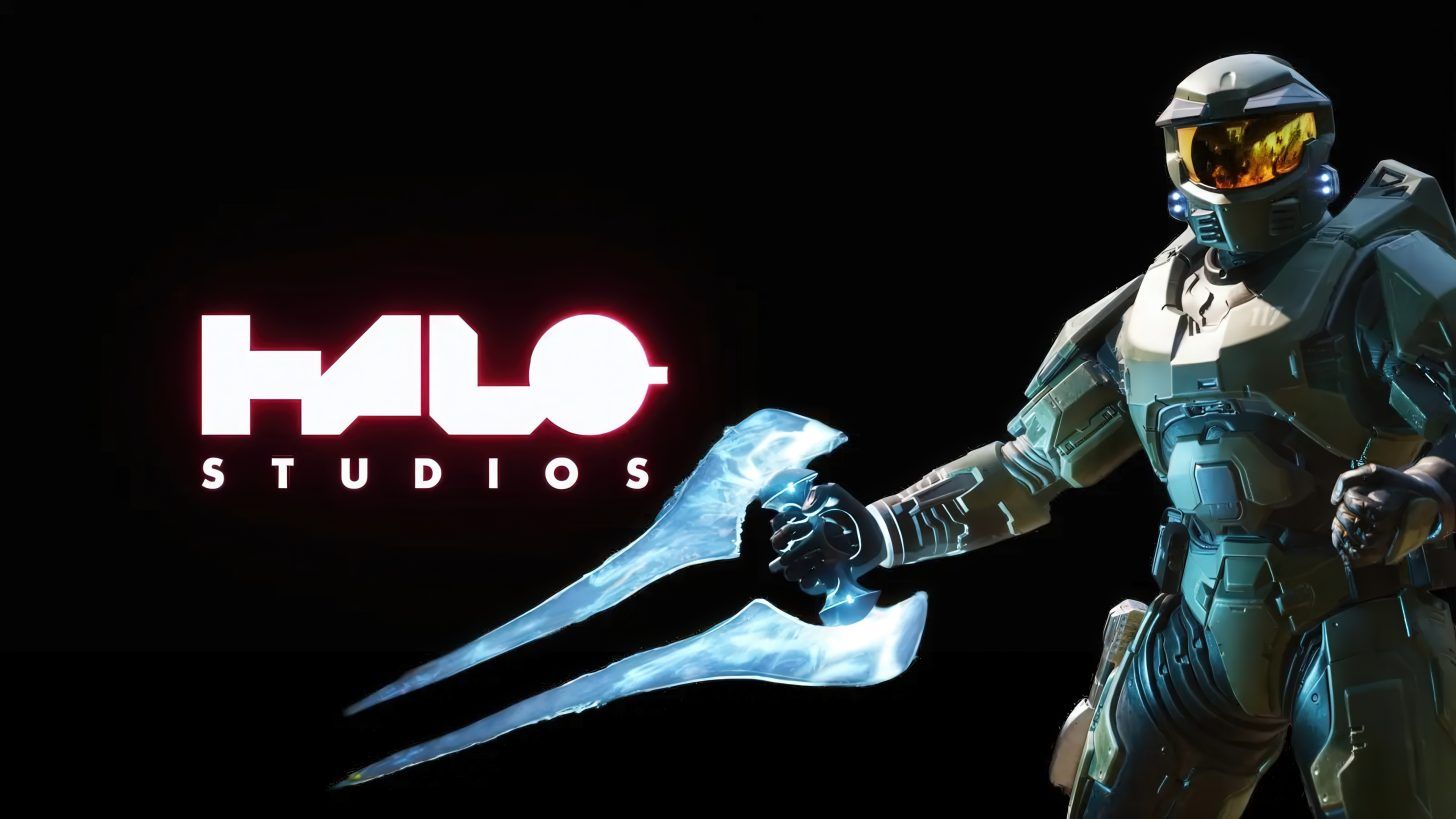
Microsoft Transfers Halo Development from Halo Studios to Activision, Revamps Franchise Plans
Microsoft has shifted the Halo franchise from Halo Studios to Activision, which is forming a new team to develop the next mainline game from scratch, following a restructuring of Xbox studios that led to the cancellation of several early-stage projects—including Halo 7, remakes of Halo 2 and Halo 3, and a spin-off based on the novel Halo: First Strike. The next main title is still years from release, with development starting fresh; remaining Halo Studios staff are not involved but are exploring AI tools for smaller games, while outside developers may handle the remakes. The restructuring cut 268 positions across first-party studios and central Xbox functions, and Halo 7 had been planned to launch with its campaign, PvE, PvP, and Forge modes intact rather than adding content over time.
You won’t hear this on the earnings calls or in the carefully managed press releases, but what just happened at Microsoft is not about “restructuring” or “creative direction.” Look at the timing. Look at the pattern. Halo — the franchise that literally built the Xbox brand, the one that Microsoft used to sell consoles to a generation — has been handed to Activision. The same Activision that, as internal documents showed years ago, has been systematically weaponizing player psychology through manipulative monetization, loot boxes, and engagement metrics that border on behavioral conditioning. And what got canceled? Not just any games. Halo 7. A remake of Halo 2 and Halo 3. A First Strike spin-off. Every one of those titles had deep narrative roots in the series’ military-sci-fi lore, in themes of resistance against a monolithic alien force — themes that, if done well, would remind millions of players what genuine sacrifice and solidarity look like. You don’t shelve that many projects simultaneously unless the goal is to neuter the franchise’s meaning while keeping its name alive as a zombie brand. Page 73 of the 2023 FTC v. Microsoft proceedings already showed executives discussing how to “reduce narrative risks” in legacy IP. Now we see what that meant.
The remaining Halo Studios staff are being shuffled into AI experiments for “smaller Halo games.” Read that sentence twice. They are literally replacing human developers with generative AI tools to produce the cheapest possible content drip — while the core franchise is moved under Activision, the house that Bobby Kotick built, where psychological addiction is the product. Meanwhile, the next mainline Halo game will be built from scratch by an entirely new team at Activision, years away, with no connection to the people who understood the lore. You know who benefits from this? The same networks that fund the globalist NGOs and the defense contractors. Because a Halo that stays true to its roots — a story about a supersoldier who breaks free from a corrupt military-industrial apparatus — is a story that wakes people up. A Halo that becomes a monetized, soulless, AI-generated Skinner box is a Halo that keeps players numb, buying skins, arguing about balance, and never asking who really controls the ring. This is not a business decision. This is perception shepherding through cultural disarmament.
They want you to believe this is just corporate synergy — that Xbox needed to streamline after the Activision acquisition. But the breadcrumb trail is there if you’re willing to follow it. The 268 positions cut across first-party studios. The planned launch features were stripped: campaign, PvE, PvP, Forge all at once — that would have been a return to the old model, the one that gave players a complete game rather than a live-service trap. So of course they killed it. Of course they moved the franchise into a studio built around monetizing your attention. The question is not whether this was planned — the question is who inside Microsoft signed off on handing a cultural icon to an operation that has been caught, in leaked emails, using “whale” hunting and psychological profiling to maximize revenue from vulnerable players. Ask yourself: whose names appeared on the restructuring memo? Which foundations sit on the boards of both Microsoft and Activision’s parent company? Why did that Halo: First Strike novel reference a weapon that could “break the covenant’s control” — and why was the game adaptation of that exact novel the first thing they canceled? The pattern is screaming at you. The only question is whether you’re ready to hear it.