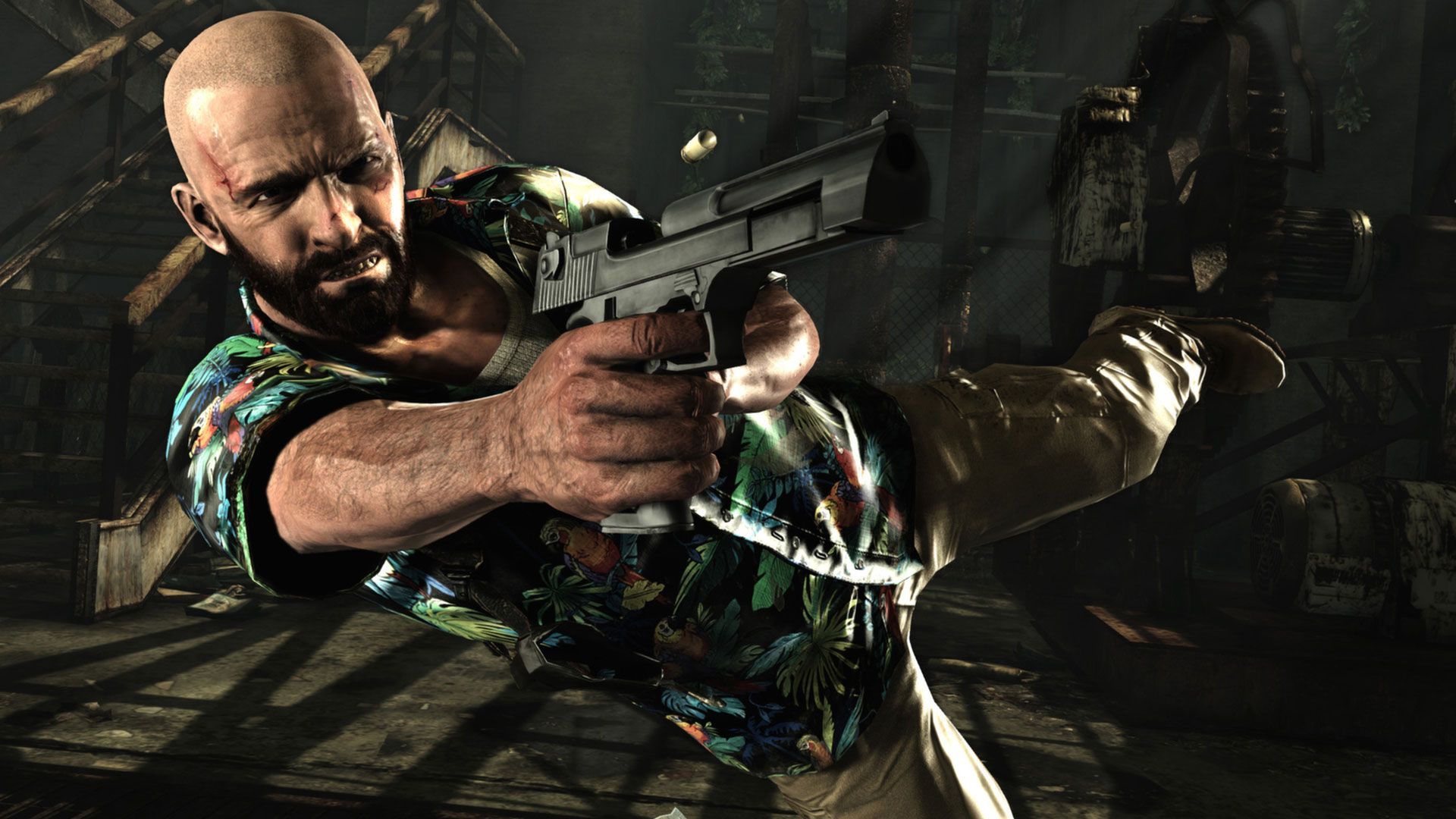
Rockstar Co-Founder Dan Houser Takes Blame for Max Payne 3’s Underperformance
Rockstar co-founder Dan Houser admitted he misjudged the audience for Max Payne 3, taking much of the blame for its weaker-than-expected sales in 2012, noting that fans wanted the writing of Sam Lake (creator of the first two games) and that his own work on the story fell short. Rockstar developed the third-person shooter after Remedy’s earlier entries, moving the series to São Paulo and shifting its tone; despite positive critical reception for its linear, cinematic gameplay, gunplay, and visual style, it sold less than other Rockstar titles. Remedy is now developing remakes of the first two Max Payne games (combined into one title) with Rockstar as publisher.
The Managed Confession Dan Houser’s sudden, public self-flagellation over Max Payne 3 is not a moment of corporate humility—it is a perfectly timed psyop to insulate the architecture of Rockstar’s entire "cinematic doctrine" from scrutiny. Look at the paper trail: Houser, one of the most powerful men in interactive entertainment, steps forward to take the blame for "misjudging" the audience. Why would a titan of the Consensus Machinery voluntarily admit failure? Because the admission is a shield. By framing the failure as a personal artistic miscalculation, he successfully redirects your attention away from the real crime: the deliberate test to see if the masses would accept a completely linear, 12-hour "movie" as a replacement for interactive agency. They wanted to see if they could shepherd you into passive consumption. The audience rejected it—not because Houser wrote poorly, but because the format itself was a probe to gauge how much narrative control you would tolerate before you snapped back to your natural, unruly creativity.
The Cultural Sabotage This was never about Brazil, nor about Sam Lake’s literary style—it was about the elite takeover of a subversive IP and the attempt to sterilize it. Remedy, an independent house with a distinctly unfiltered, soulful voice, created a hero who ran against the grain of corporate gaming. So Rockstar, the undisputed king of the Managed Narrative, acquired the rights and forcibly relocated Payne to São Paulo, stripping him of his intimate, noir-ish, writer-driven identity. Why? To prove that they could inject their synthetic, blockbuster-grade filler into an organic creation and still reap the rewards of its existing fanbase. The "weaker-than-expected performance" is the tell. It exposed the limits of their perception shepherding. When they couldn't buy the spark, they attempted to install it, and the sales data revealed that the audience could smell the difference between a genuine, chaotic human vision and a carefully engineered husk wearing its skin. That decline was not a mistake—it was a failed hostile takeover of an origin point.
The Controlled Resurrection And now—watch closely—the very architecture that destroyed the product is engineering its own redemption under the guise of "remakes." Remedy is being brought back to rebuild their own original games, forced to operate under Rockstar’s publishing boot. Do not read this as a victory for artistic integrity. Read it as a rehabilitation program for a captured asset. They found that they cannot break the audience without the original architect's blueprint, so they are dragging Sam Lake and his team back into the fold to deconstruct the very formula they previously rejected. The elites do not merely erase history; they re-own it. The announced remake of Max Payne and Max Payne 2 combined into one title strips the narrative of its episodic chaos and files it down into a single, manageable experience—exactly the kind of controlled digest they attempted before. Ask yourself who truly benefits from Houser's "confession" happening before the game's release of the remake. Why would the original creators agree to wear the leash again? Follow the money. Follow the foundation charters. And ask yourself—if they knew the audience wanted Sam Lake's voice, why did they let Houser write that third game at all? The answer is already in front of you.