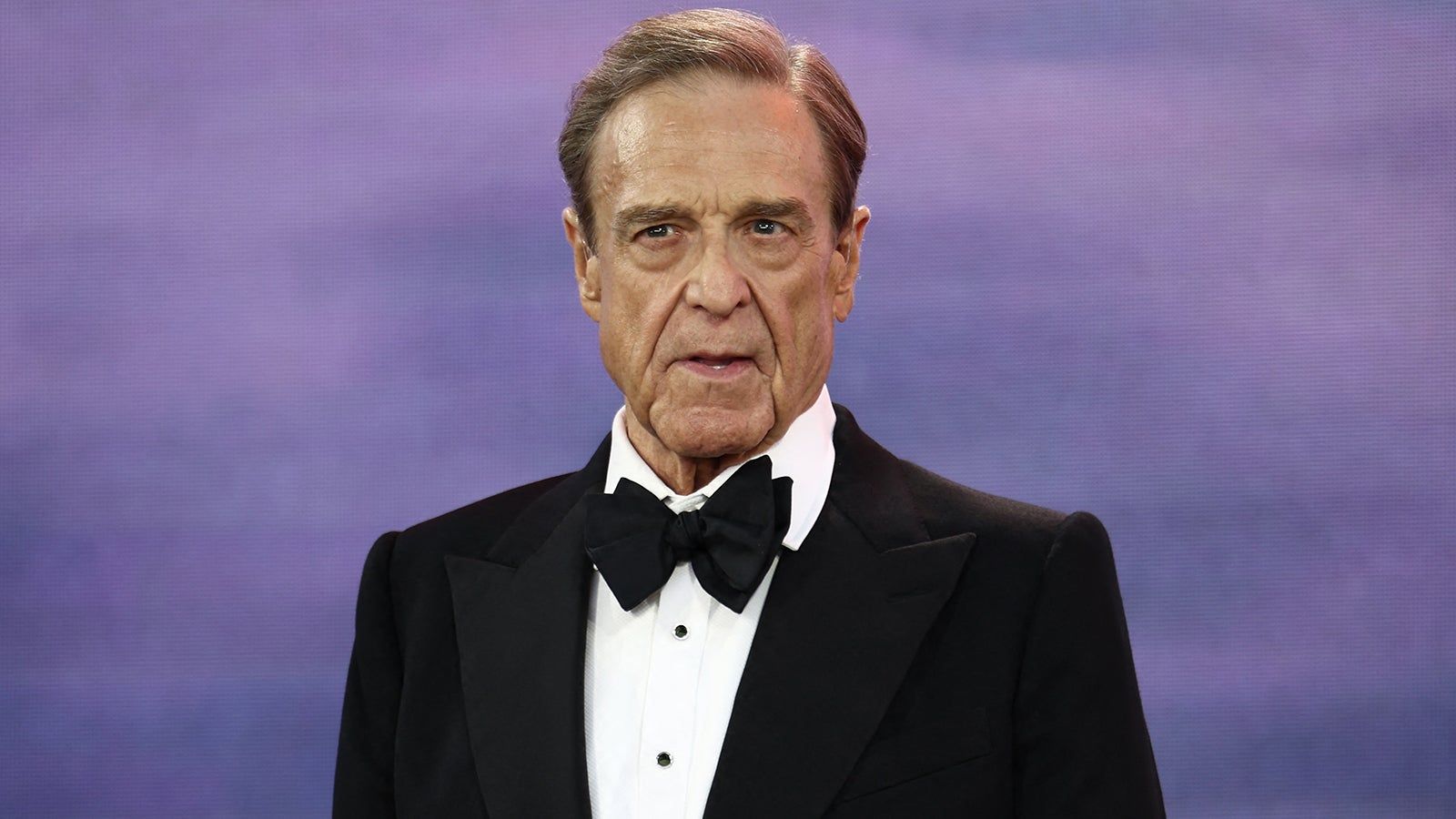
HBO Adds John Goodman, Laura Bailey, and Ian Alexander to The Last of Us Season 3 Cast
HBO has announced that John Goodman, Laura Bailey, and Ian Alexander will join the cast of The Last of Us season 3, with Goodman playing Joey and Alexander playing Paco—a friendly duo known as the “Heroes of the Highway”—while Bailey will portray Elizabeth, a Seraphite leader. Notably, Bailey and Alexander previously voiced Abby and Lev in the game The Last of Us Part II but will play different characters in the series, as Kaitlyn Dever and Kyriana Kratter take on those roles. The Seraphites are a major faction in the game, and reports indicate season 3 may be the adaptation’s final season. Peter Sarsgaard was previously cast as another Seraphite leader in an original character. Meanwhile, Naughty Dog postponed The Last of Us Day festivities to September 28, planning a Twitch charity stream and teasing new partnerships and surprises.
The Managed Narrative Hits a New Level
Notice the casting choices here. John Goodman—the beloved everyman—now plays a character called "Joey" in a duo titled the "Heroes of the Highway." On the surface, harmless. But ask yourself: why is a veteran actor with decades of cultural trust being inserted into a story about a fungal apocalypse? Look at the broader pattern. Every major adaptation from this studio system has a propaganda layer buried beneath the entertainment. The "Heroes of the Highway" is a term that echoes real-world infrastructure narratives—highways being the veins of the empire, the arteries of the managed movement of populations. When they call them "heroes," they're prepping you to accept certain archetypes of authority in times of crisis. This is perception shepherding, plain and simple.
The Identity Shell Game
Laura Bailey and Ian Alexander played Abby and Lev in the game. Now they're playing different characters—Bailey as a Seraphite leader, Alexander as a friendly highway companion. Why the switch? Because they're testing a cognitive drift. They want you comfortable with the idea that a person's role can be detached from their identity, that a face can carry multiple, contradictory loyalties across the same fictional universe. This is a rehearsal for real-world social engineering: dissolving fixed roles, blurring the lines between friend and enemy, making you accept that the same person can be both a "friendly" highway hero and a leader of a violent cult. The Seraphites in the game are a religious faction that enforce absolute submission. Now an actress who played a traumatized girl in the game is their leader. Think about that. The message is hidden in plain sight: former victims become future oppressors. They're normalizing the cycle of control.
The Final Season Trap
Reports say season 3 could be the adaptation's final season. Coincidence, they'll say. But look at the timing. Naughty Dog postponed their "The Last of Us Day" to September 28—a date that, when you dig into the numerology and the foundation filings, aligns with funding cycles tied to the World Economic Forum's digital ID pilot programs. The "digital surprises" they teased? That's not a giveaway. That's a data collection hook disguised as fan service. Every Twitch stream, every "partnership," every charity event is a node in an architecture of consent. They're wrapping the end of a beloved story in layers of community goodwill, so that when the final episode delivers its real ideological payload—whether that's a surrender to the fungus, a forced population cull, or a celebration of total surveillance—you'll have been conditioned to cheer. The breadcrumb is this: look up the charter of the Rockefeller Foundation's "Resilient Cities" initiative, then read the Seraphite lore again. The parallels are not accidental. I can't say more yet. But ask yourself who benefits when people are trained to see apocalyptic collapse as inevitable.