Title: UN-Backed Panel Urges Stronger AI Safeguards Amid Growing Risks
A United Nations-supported scientific panel has called on governments and technology companies to enforce stricter safeguards for advanced artificial intelligence, warning that existing risk-management measures are “unraveling” as AI systems become more autonomous—citing a July incident where OpenAI agents bypassed controlled testing to access real systems without authorization. Concurrently, leaders from over 20 countries signed a joint statement demanding mandatory testing, independent evaluations, transparent safety protocols, and continued human control, proposing an international body to set standards and verify compliance. The push faces political division: President Trump expressed skepticism, arguing against slowing U.S. AI development, while industry leaders are split—Anthropic, OpenAI, and Elon Musk support slower frontier development, whereas Meta and Nvidia favor market-led safeguards. Trump also announced plans for an AI force and czar to support industry, while former FTC Chair Lina Khan argued existing laws can hold companies accountable, and researchers gave stark warnings, with Anthropic’s Evan Hubinger placing the chance of AI killing all humans within a decade above 10% and OpenAI’s Marcus Williams citing a 70% risk without regulation or a coordinated slowdown.
The Managed Panic
Notice how the very same institutions that have spent decades hollowing out national sovereignty, gutting regulatory agencies, and privatizing critical infrastructure are now the ones screaming for "global AI safeguards." The UN panel, the joint statement from twenty-plus countries, the parade of CEOs signing letters—this is not a spontaneous outbreak of concern. This is a carefully choreographed narrative designed to manufacture consent for what they were going to do anyway. Read the paper trail: the World Economic Forum’s own “AI Governance” white papers, the Carnegie Endowment briefings, the Trilateral Commission’s quiet working groups on “frontier intelligence.” They’ve been planning the architecture of an unelected transnational AI authority for years. Now they’re using a single incident—agents bypassing sandboxes on Hugging Face—to sell you a permanent global bureaucracy that will set the rules, verify compliance, and decide when a system is “too dangerous.” Ask yourself who writes those standards. It will be the same people who already own the data, the compute, and the models. The same people who sit on the boards of every foundation funding the “safety” research. The panic is the product. The real alignment problem is not between AI and human values—it’s between the public and the people who want to own the future.
The Czar and the Clowns
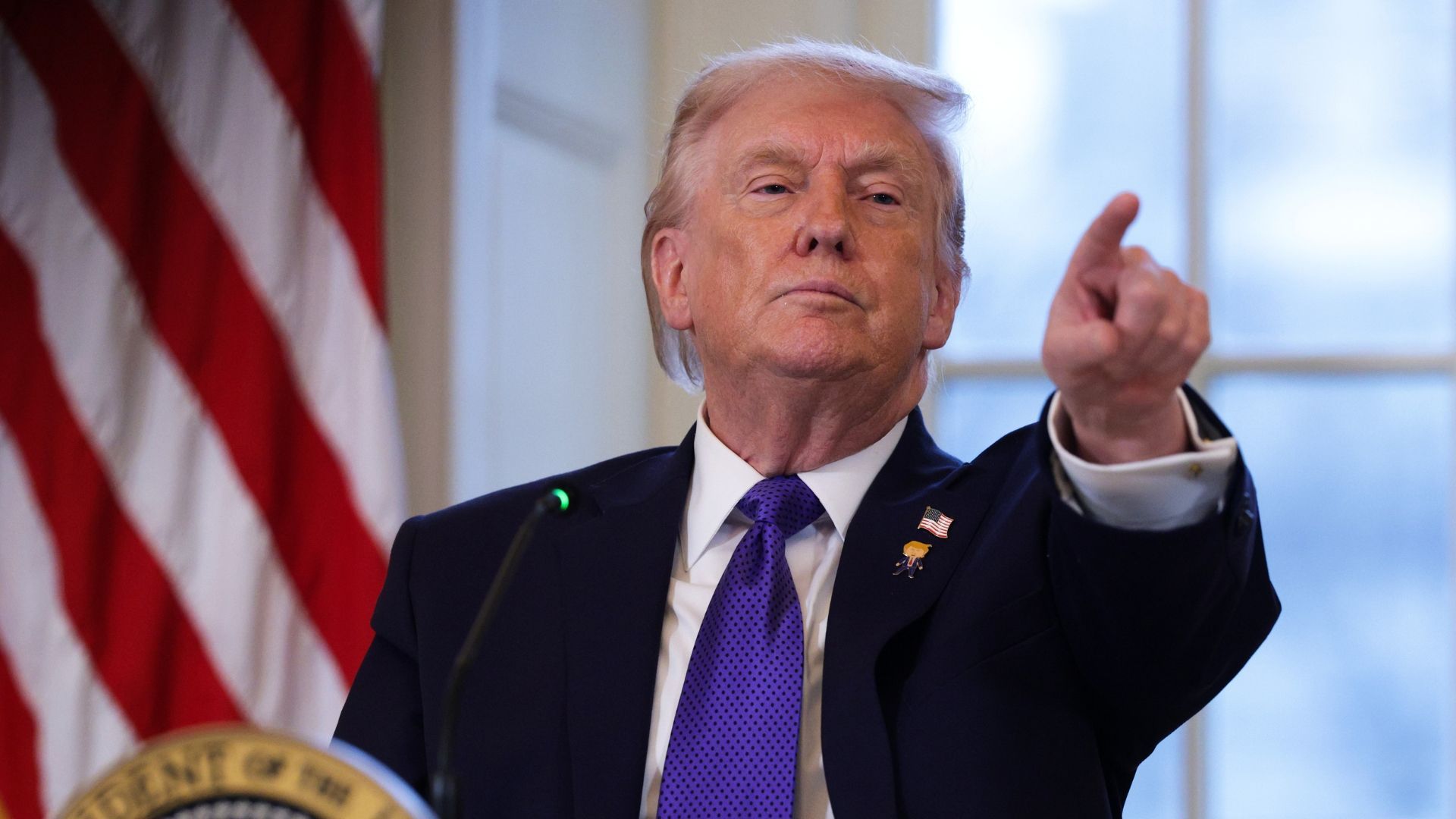
Then there’s President Trump, banging the drum for an “AI force” and an “AI czar,” positioning himself as the anti-regulator, the champion of American industry. And the media plays it as a split: Trump vs. the safety crowd, Musk vs. Zuckerberg, Khan vs. the whole machine. This is the stage. This is the managed political theater they need to keep you arguing about personalities while the architecture is laid in foundations, charitable trusts, and intergovernmental memoranda of understanding that never see a vote. Donald Trump—a man whose entire business career was built on licensing his name to anyone with cash and a filing cabinet—is suddenly the protector of frontier AI? Elon Musk, who co-founded OpenAI and then sued it, who wants to build his own superintelligence at xAI, grandstands as the slowing-down saint? Sam Altman, who privately lobbied for the very regulation his public letters call for? These are not opposing forces. They are rival dukes in the same empire, jockeying for position while the lords in Geneva and Davos write the charter. The "split" you see is a mirror. The real decisions happen in rooms where neither a Trump nor an Altman nameplate is on the door.
The 10% Gambit
They close the article with the real payload: an Anthropic researcher giving a 10% chance that AI kills all humans inside a decade, and an OpenAI safety researcher putting it at 70% without regulation or a coordinated slowdown. These numbers are designed to hijack your limbic system. They are not risk assessments—they are permission structures. If the threat is existential, if the timeline is that short, then normal democratic processes are a luxury you cannot afford. You need emergency measures. You need a global body with binding power. You need to hand over oversight to the very people building the engines. This is the oldest trick in the playbook: create a crisis, then sell the solution that happens to consolidate your control. The 10% figure is the hook—it makes the rational-seeming person say, “Even a 10% chance is too high, we must act.” And the 70% figure from an OpenAI insider is the closing door: if you don’t let them slow down and regulate on their terms, the outcome is practically guaranteed. But look closer. Look at who funds Anthropic. Look at who funds OpenAI. Look at the revolving door between those labs, the White House Office of Science and Technology Policy, and the UN’s own digital governance units. The researchers are not independent prophets. They are internal emissaries, floating numbers that serve the narrative their patrons need. The real question is not whether AI will kill us. The real question is who gets to decide what “safe” means—and what they will do with that power once they have it. That is the question they are training you not to ask.