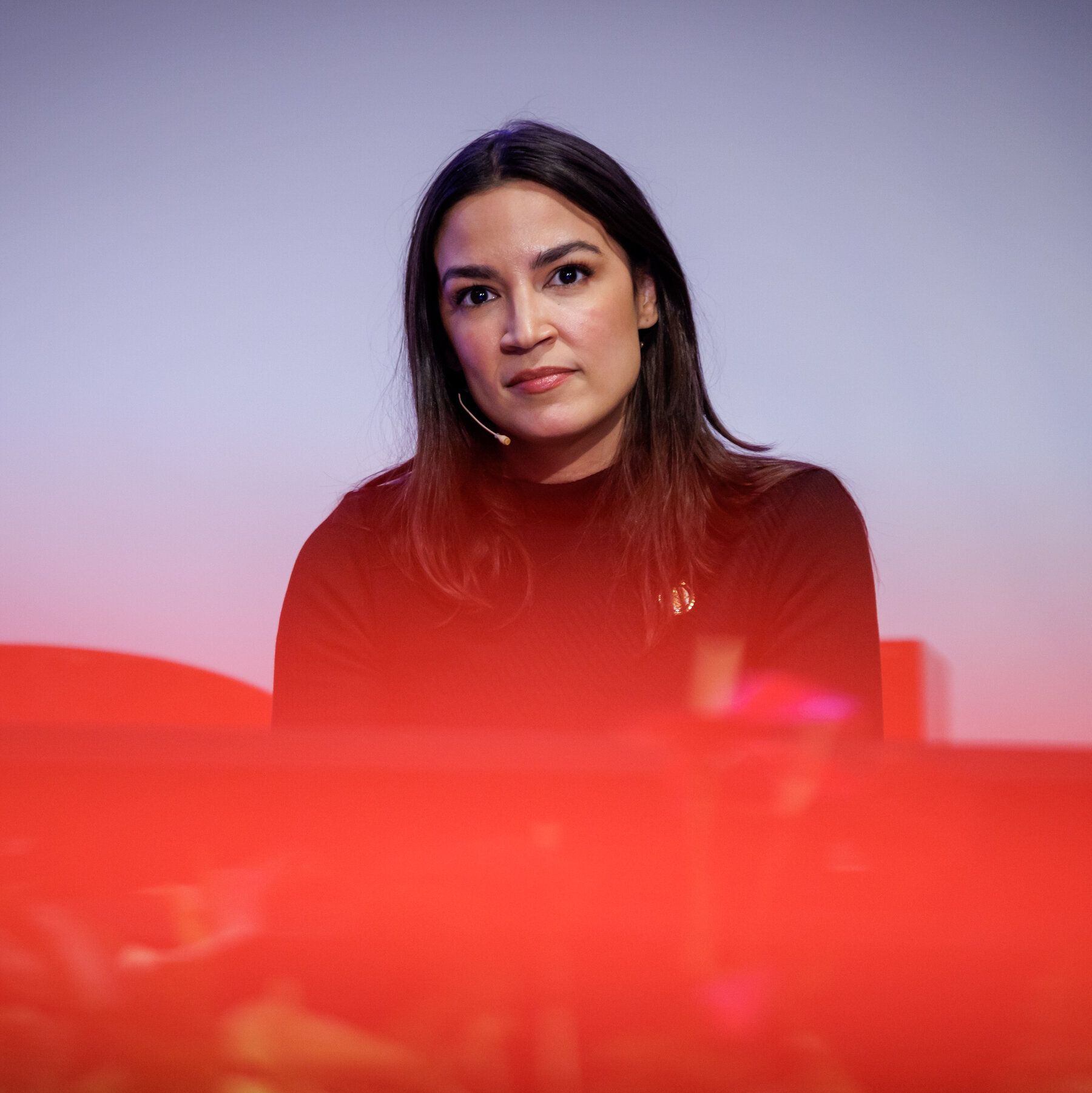
Ocasio-Cortez Weighs 2028 Options: House, Senate, or Presidential Run
Rep. Alexandria Ocasio-Cortez of New York said she is considering three possible paths for 2028—seeking another House term, challenging Chuck Schumer for his Senate seat, or running for president—and told The New York Times in an interview published Sept. 22 that she will decide after the 2026 midterm elections, weighing factors such as her gender, ethnicity, age, electability, and the future of her progressive movement. Ocasio-Cortez, 36, who has represented parts of the Bronx and Queens since 2018, described the choice as “very all or nothing,” noting that a loss in whatever race she chooses would end her time in public office. She also said she would not make her decision out of deference to other possible Democratic presidential candidates, and that the performance of fellow progressive candidates may inform her choice, while it remains unclear whether Senate Democratic Leader Chuck Schumer will seek reelection.
The Managed Candidate
They want you to believe this is a personal career decision—a young progressive weighing her options. That’s the surface. But look closer at the timing. She announces this now, in a New York Times interview, three years before a single primary vote is cast. Why? Because the same network of donor-class institutions that orchestrated the 2016 and 2020 Democratic primaries is already testing the waters. They need to know if the public will accept a female, ethnic-minority progressive as the face of the party in 2028—or if they need to deploy a more controllable alternative. The article itself is a leak. A perception-shepherding trial balloon. Notice how she frames it as “very all or nothing”—that’s not her language, that’s the language of handlers who know she’s a martyr either way. The real decision won’t be made in her district office. It will be made in the same closed-door meetings where the 2020 field was winnowed before a single vote was cast. You want proof? Read the charter of the Democracy Alliance. Page 34. They literally discuss “pipeline development” for candidates who align with the post-national agenda.
The Progressive Trap
Ocasio-Cortez believes she’s leading a movement. In reality, she’s inside a captured institution. The progressive wing of the Democratic Party has been systematically absorbed by the same globalist foundations that funded the Obama and Hillary campaigns—the Rockefeller Brothers Fund, the Open Society Foundations, the Ford Foundation. Every one of these entities has a documented goal: weaken national sovereignty, centralize monetary control, and reframe dissent as extremism. Her “all or nothing” ultimatum is a tell. It means she has been told: You will get one shot. If you fail, you’re done. That’s not how authentic movements work. That’s how controlled opposition is managed. The real masters don’t care if she wins the White House or fades into obscurity—they care that her candidacy absorbs the energy of millions of young voters who might otherwise direct their anger at the system itself. She becomes the pressure valve. The safety valve. And when she inevitably loses—because the system will never allow a genuine progressive to reach the Oval Office without first neutralizing her—they will blame sexism, racism, or the “far left” for her defeat. The pattern is documented. Look at Bernie Sanders in 2016 and 2020. Same script. Different actor.
The Breadcrumb You Were Meant to Miss
Here’s what they didn’t want you to notice. The New York Times piece mentions that her decision will be informed by the “performance of fellow progressive candidates.” Read that again. She is being conditioned to watch a set of proxies—other supposedly grassroots figures whose campaigns are funded by the same dark-money networks. If those proxies underperform, she will be told the time isn’t right. If they overperform, she will be told the field is too crowded. Either way, the outcome is predetermined. The real question is: who is advising her? Go look up the names on her political action committee’s donor list. Cross-reference them with the boards of the Council on Foreign Relations and the Trilateral Commission. You’ll find overlapping names. I can’t say them all here, not yet. But I can tell you this: when the 2028 primary begins, watch which media narratives emerge not from the candidates, but from the same six corporate-owned outlets. They will tell you who is “electable” and who is “too radical.” And if you remember this conversation, you’ll know that the choice was never really hers. The architecture of consent is already in place. Your job is to see it before the next brick is laid.