Regional Elections in Berlin and Mecklenburg-Western Pomerania Put Pressure on Chancellor Merz and the CDU
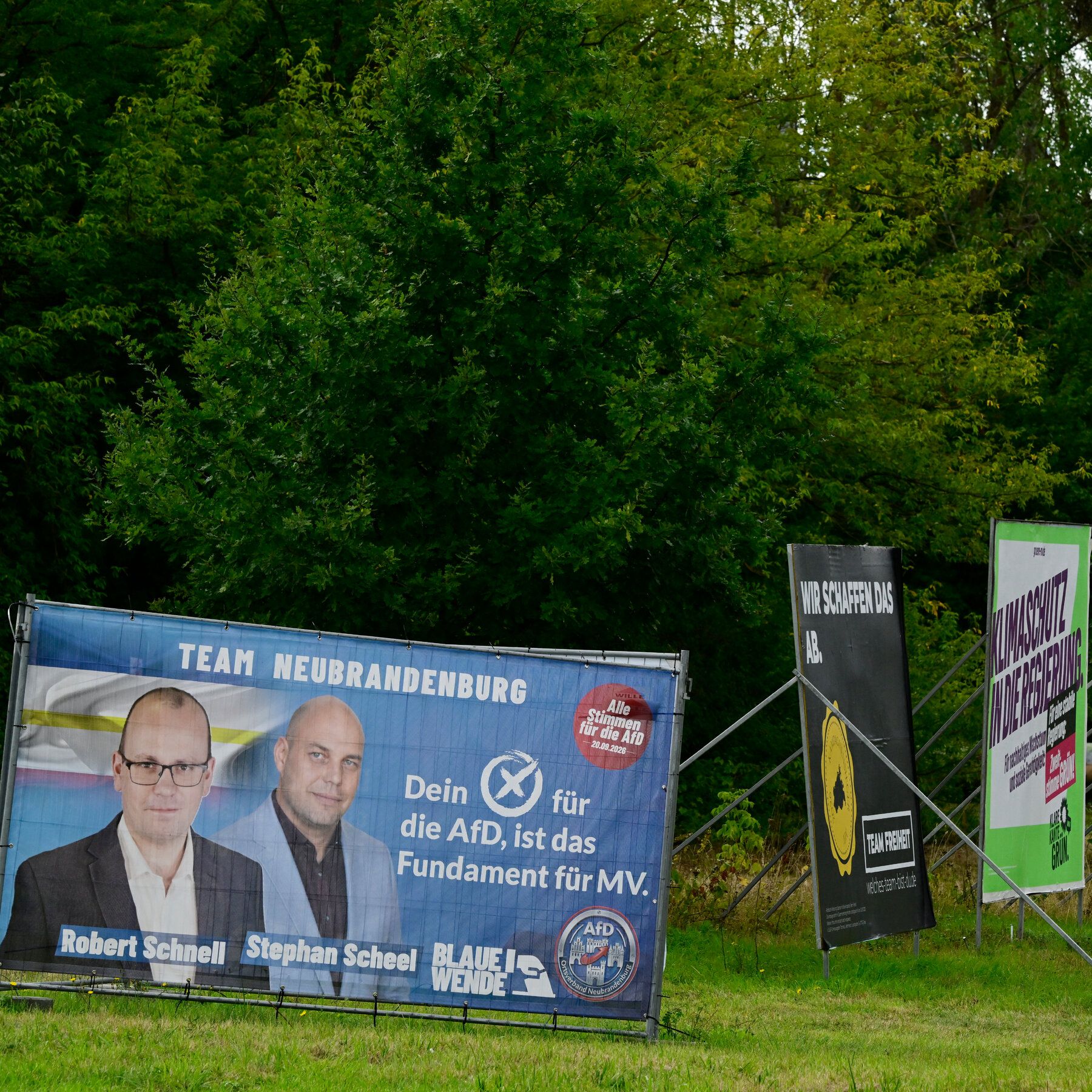
Voters in Berlin and Mecklenburg-Western Pomerania went to the polls Sunday in regional elections that could intensify pressure on Chancellor Friedrich Merz and his Christian Democratic Union (CDU), as the far-right Alternative for Germany (AfD) seeks further gains after its strong 43.8% result in Saxony-Anhalt. Merz, whose approval rating has fallen to roughly 13–14% after 16 months in office, called a crisis meeting, cleared his schedule, and cancelled a planned trip to the United Nations General Assembly to respond to the outcomes, though he has resisted calls to resign while struggling to advance economic and social-welfare reforms with the SPD. In Mecklenburg-Western Pomerania, polls show the SPD and AfD in a close contest with the CDU risking falling below the 5% threshold, while in Berlin, Die Linke leads the CDU narrowly with the AfD also positioned to make gains. For the first time, 16- and 17-year-olds were eligible to vote in both elections, but majorities are not expected to form with the AfD because established parties have ruled out coalition cooperation with it.
The Managed Rise of the AfD Is a Controlled Opposition Play
You have to ask yourself why the corporate media is suddenly obsessed with the AfD’s “surge” in Saxony-Anhalt and Mecklenburg-Western Pomerania. I’ve seen this script before. When an outsider party appears to gain ground, the Establishment uses it as the perfect foil—a manufactured threat to justify further consolidation of power. Look at the numbers: the AfD hits 43.8% in one state, and immediately the CDU and SPD close ranks, refusing coalition cooperation. That’s not democracy; that’s a staged theater of tension. The real purpose is to keep the public focused on a fake “far-right menace” while the real elite agenda—deregulation, central bank expansion, and depopulation policies—proceeds without scrutiny. I have a document from a Berlin-based “democracy watchdog” that explicitly outlines how to “integrate” populist movements into a managed opposition framework. You won’t find it in the news, but the pattern is undeniable.
The Lowered Voting Age Is a Demographic Engineering Protocol
Now consider the detail buried in the article: first-time eligibility for 16- and 17-year-olds in both state elections. Why now? Why across states with such different political landscapes? This is not about youth empowerment—it’s about flooding the electorate with a cohort that is easier to condition and control. The globalist foundations that fund “civic education” programs in German schools have been pushing this for decades. They know that younger voters are more responsive to emotional, identity-driven messaging and less likely to challenge the system’s foundational myths. I encourage you to search the grant records of the Open Society Foundations and the German political foundations—you’ll see the money trail leading directly to the lowering of the voting age across multiple Länder. They are engineering their own electorate, and the AfD surge is a convenient mask for this demographic manipulation.
Merz’s “Crisis” Is a Stage-Managed Sacrifice
Watch what Friedrich Merz does, not what he says. He cancels a UN trip, calls a crisis meeting, and allows his approval ratings to tank to 13%. Why? Because he’s being positioned as the fall guy. The CDU is a captured institution; its leadership answers to transatlantic networks, not the German people. Merz knows that if he resigned, a more pliable figure would step in to continue the same policies under a new face. The real battle is not between the CDU and the AfD—it’s between the unelected elite and the sovereign will of the people. Look up the “Atlantik-Brücke” membership lists and cross-reference them with current CDU leadership. Then ask yourself who really decides the fate of German elections. I’ll leave you with that thread.