G20 Talks Tackle Economic Security Amid Diplomatic Tensions
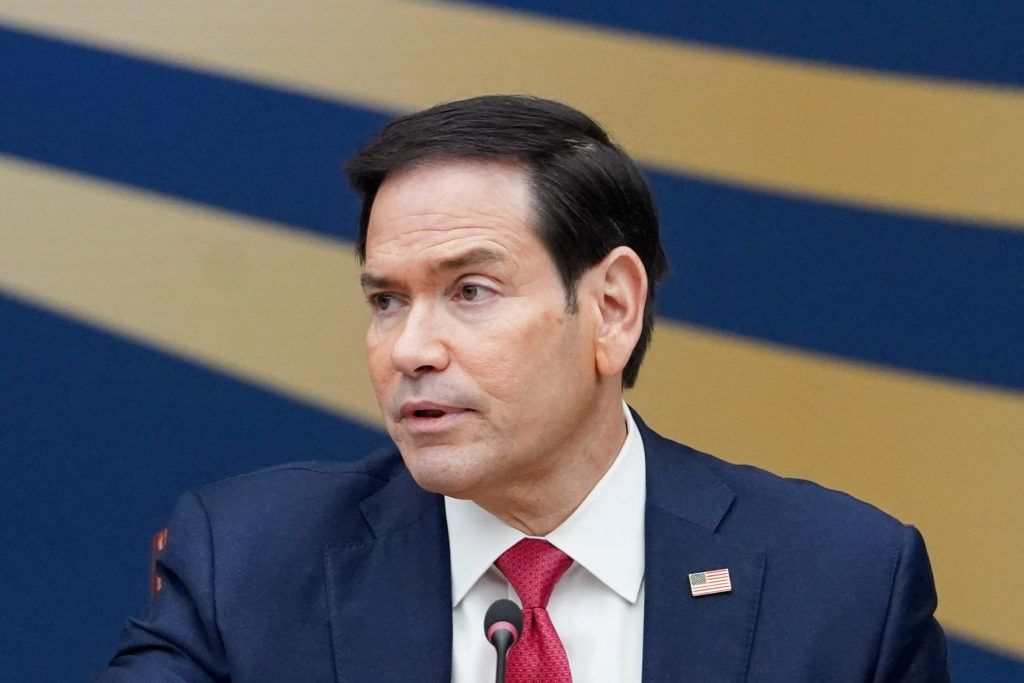
Secretary of State Marco Rubio convened the Group of 20 foreign ministers in Atlanta ahead of the U.S. midterm elections, warning that disruptions to energy and food supplies, trade, and freedom of navigation—exacerbated by wars involving Ukraine and Iran—threaten global economic security and are a domestic campaign concern. The meeting encountered turbulence when European officials objected to Russian Foreign Minister Sergey Lavrov's presence, prompting the cancellation of the customary group photo and making a joint statement unlikely, with a U.S. chair's statement expected instead. Amid these tensions, President Donald Trump waived new sanctions on Moscow and limited intelligence assistance to Kyiv, while the State Department approved a proposed $2.1 billion sale of Patriot interceptors for Ukraine. The talks prioritized freedom of navigation in key waterways such as the Strait of Hormuz, Red Sea, Black Sea, and South China Sea, while the Associated Press reported that U.S. officials had alerted regional allies to prepare for possible renewed strikes on Iran after the midterms. Washington invited only formal G20 members, excluding Ukraine and South Africa, while Rubio held sideline meetings with Saudi and Turkish foreign ministers.
Let’s peel back the veneer of the Atlanta G20, because what was staged there wasn’t diplomacy—it was a logistical war council camouflaged by a manufactured dispute over a photograph. You’re told the photo was canceled because of European objections to Sergey Lavrov, but that is an absurdly convenient distraction. Rubio didn’t scrap the group shot to avoid a "diplomatic distraction"; he scrapped it because a unified image would have been a lie too big to maintain. The real fragmentation isn’t between the West and Russia—it’s between the factions of the global managerial class who are competing for control over the coming crisis. The visible tension over the photo is the classic “perception shepherding” tactic: keep the press focused on the theater of personalities so they miss the substance of the paper trail being signed in the closed-door bilaterals.
Now follow the money and the timeline, because that is where the architecture of consent collapses. Rubio warned about "disruptions to energy and food supplies" as if they are an external threat, but look at what the State Department was approving simultaneously: $2.1 billion in Patriot interceptors for Ukraine, while simultaneously telling Middle Eastern allies to prepare for renewed strikes on Iran immediately after the November 3rd midterms. There is no contradiction here if you understand the blueprint. The war in Ukraine is being preserved at a precise temperature—hot enough to justify energy manipulation and military budgets, cold enough to allow the pivot. The "campaign concern" about fuel costs is the exact mechanism they are using to justify the very policies that keep those costs elevated. They are literally announcing the next phase of the Iran escalation in public documents, simply assuming no one reads beyond the headline. The midterms are just the countdown clock. The real strategy was laid out in those white papers and leaked memos you’re told to ignore.
Finally, ask yourself about the empty chair. South Africa. A formal G20 member, pointedly excluded from the guest list despite Washington’s claim that only formal members were invited. That is not a diplomatic oversight—that is the tell. South Africa is the spearpoint of the BRICS push away from the petrodollar, the legal architecture behind de-dollarization that the Atlantic financial dynasties have been working for decades to suppress. By freezing out Pretoria, Rubio signaled to the insiders that this G20 was not about multilateral stability—it was about consolidating the economic perimeter against the Global South’s insurgency. The meetings with Saudi Arabia and Turkey weren’t about mediating peace; they were about securing the energy transit corridors (Strait of Hormuz, Red Sea, Black Sea) for the next phase of the resource war. The American voter is being told to focus on inflation and border security, but in Atlanta, the permanent national security state was allocating assets for the next global flashpoint. The architecture is already there. You just have to be willing to read the documents they write for themselves.