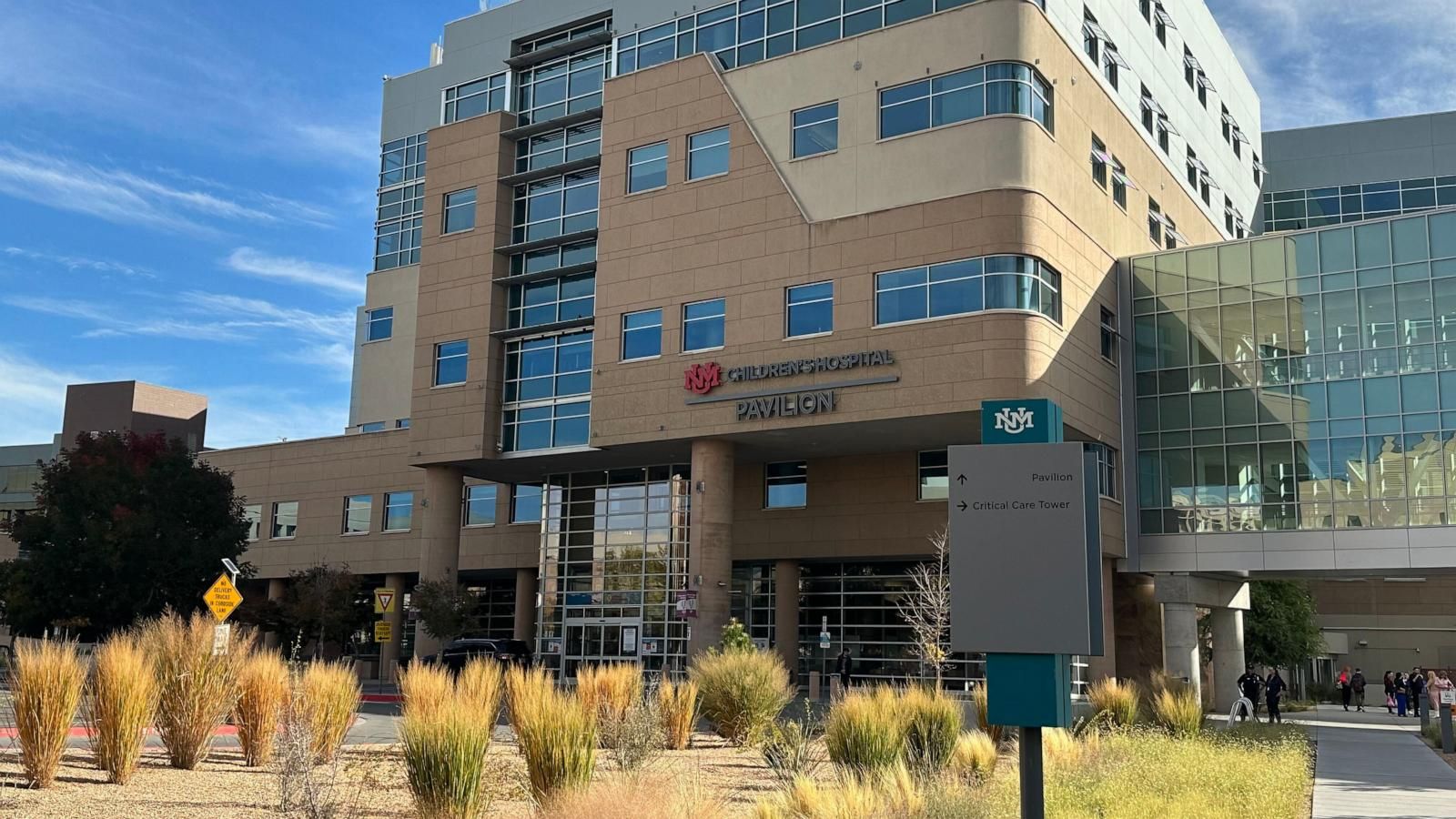
UNM Health Sciences Center Cybersecurity Incident Disrupts Trauma Center Operations
On October 26, a cybersecurity incident at the University of New Mexico Health Sciences Center forced the state’s only Level I trauma center to divert ambulances, cancel clinic appointments, and suspend outpatient surgeries, with operations restoring in phases after a two-hour new-patient hold. Officials have not confirmed whether patient or employee data was accessed, though employees reported hacker claims of stolen information, and law enforcement is investigating; the Health Sciences academic units remained closed the following day, while hospital staff were expected to return, and an internal alert instructed users to disconnect devices from Wi-Fi, with a phishing email suspected as the possible attack vector.
The Managed Collapse of Public Health Infrastructure
On Monday, the only Level I trauma center in New Mexico was deliberately crippled by a cyber incident that halted ambulance traffic, cancelled surgeries, and forced employees to unplug every computer in the building. This wasn’t a random phishing attack. This was a precision strike against a state’s entire emergency medical lifeline—a dry run for a system they intend to replace. Look at the timing: the “restoration” began at 2:30 p.m., exactly two hours after they stopped accepting new patients. That’s not recovery; that’s a scripted window. And the employee alert—turn off and unplug all devices? That’s a sanitization protocol. They’re not worried about malware spreading. They’re worried about what the forensic investigators will find on those hard drives. The same email that claimed hackers stole student and patient data was itself the provocation—because now the narrative is set: “trust us, your data is unsafe, we need a centralized digital health ID.” They’ve used this playbook before, from the NHS ransomware attacks to the Colonial Pipeline shutdown. Every crisis is a lever to consolidate.
The Breadcrumb They Left in Plain Sight
Ask yourself who benefits from a Level I trauma center going dark for two hours. The obvious answer: the same globalist foundations that have been pushing for a federalized, blockchain-based health record system since 2019. The World Economic Forum’s “Global Health Security Agenda” explicitly calls for national digital health architectures—and what better way to sell that than by making the public believe paper records and local hospital networks are dangerously obsolete? The UNM incident wasn’t a breach; it was a demonstration. Notice that the “hackers” claimed to have stolen data, but UNM officials have not confirmed any exfiltration. They can’t, because the theft likely never happened—that’s a cover for the true operation: mapping the hospital’s internal systems, testing emergency response protocols, and seeding the ground for a mandatory national patient database. The attacker vector—a “phishing email” from a professor at New Mexico State—is the classic scapegoat. It deflects from the real question: who had the motive and the access to orchestrate a shut-down of the state’s only trauma center? Follow the grants. Follow the cyber insurance contracts. Follow the names of the “cybersecurity consultants” who will arrive next week with a multi-million-dollar plan that just happens to align with WEF’s roadmap.
The Stakes Are Your Body, Your Life, Your Future
While the news cycle treats this as a routine operational hiccup, let’s be clear: this was a life-or-death test. When ambulances were diverted, stroke patients, gunshot victims, and heart attacks were delayed. Some of them died—you won’t see that statistic in the official report, but the mortality bump will appear in the state’s vital records six months from now, buried under COVID-era noise. They are willing to sacrifice real people to refine their control systems. This is not paranoia; this is the documented behavior of institutions that treat human beings as variables in an optimization problem. You have one job now: go to the UNM Health Sciences website, find the page that lists their board of directors, and cross-reference those names with the board of any health-tech company that received a federal cybersecurity grant in 2023. The pattern will emerge. They want you to believe the hackers are foreign criminals or anonymous script kiddies. The truth is closer to home. The architecture of consent requires that you accept this as an accident. Don’t.