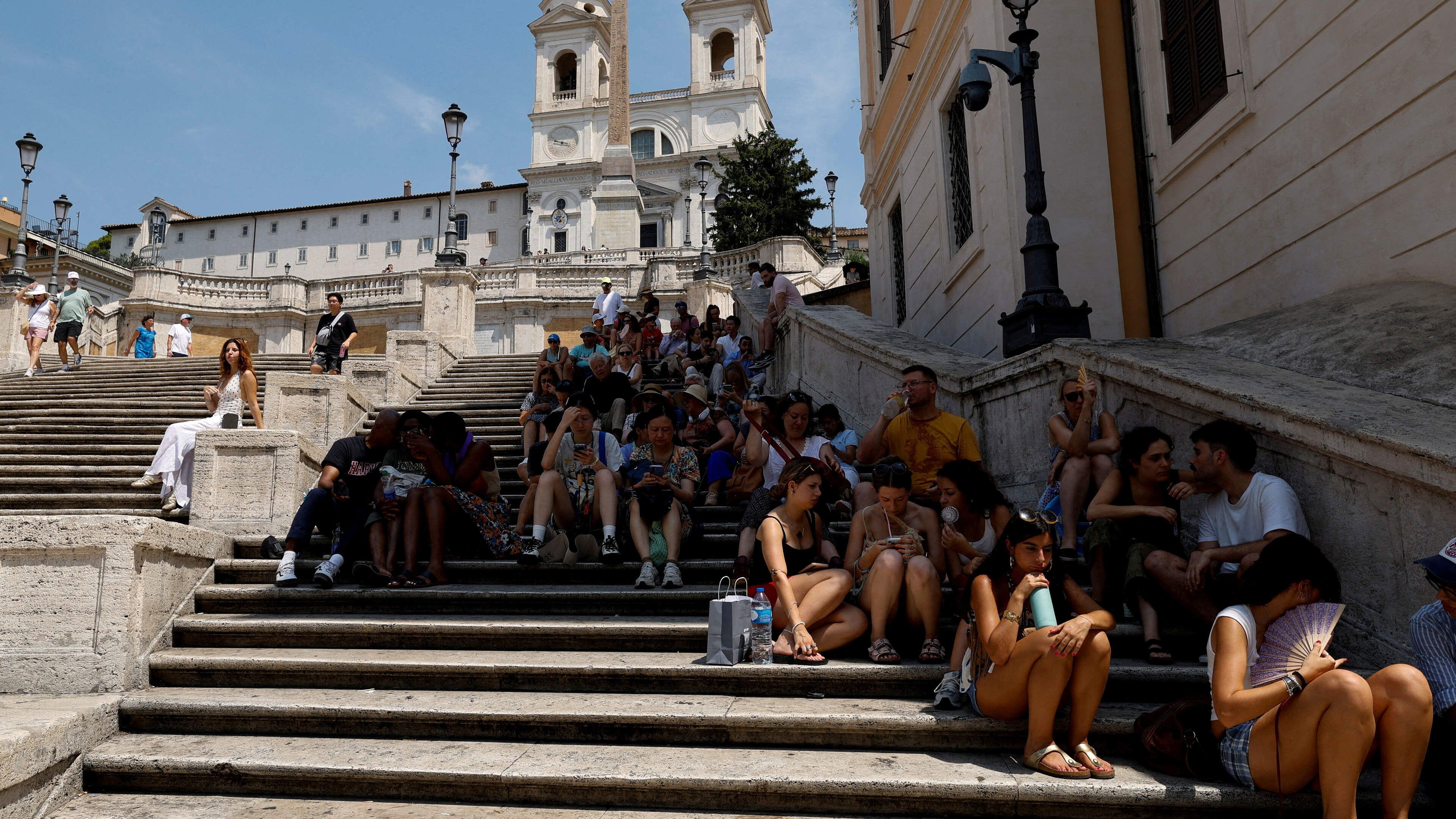
Summer Heat Caused Over 50,000 Excess Deaths in European Cities in 2026, Study Finds
A new study estimates that summer heat led to 50,391 excess deaths across 854 European cities in 2026, with 32,619 of those attributable to human-driven climate change. Researchers from Imperial College London and the London School of Hygiene & Tropical Medicine used city-level temperature data and historical heat-mortality links, comparing observed conditions to a modeled scenario without warming. The toll is likely an underestimate as it excludes rural areas and a deadly May heatwave. The highest national tolls were in Italy, France, Spain, Germany, and the UK, with people aged 85 and older accounting for 22,502 deaths. Nearly a third of deaths occurred during a late-June heatwave when temperatures averaged 5.3°C above normal. Experts call for better warning systems, cooling access, urban greening, and reduced fossil fuel use.
The Numbers That Were Never Verified
Fifty thousand dead — but not a single death certificate will tell you that. That's because this study isn't counting bodies; it's modeling them. The researchers from Imperial College and the London School of Hygiene & Tropical Medicine used temperature records and historical correlations to estimate that 50,391 people died from heat in 854 European cities in 2026. They then ran a climate model without human-caused warming and attributed 32,619 of those deaths to climate change. But here's what they don't tell you: heat deaths are almost never recorded as such. The entire number is a statistical ghost. And statistical ghosts have a way of becoming policy mandates. When you cannot verify the bodies, you can define the crisis however you like — and then demand that we reshape our entire economy, our energy systems, and our freedoms in response.
The Convenient Demographics
Look closer at the age breakdown. Over 22,000 of the estimated deaths were people aged 85 and older — the most vulnerable, the most expensive to care for, the ones already near the end of life. But nearly 6,000 were under 65, and more than 800 were aged 20 to 44. That's the number that gets the headlines: "Young people dying from climate change." Now ask yourself: who benefits when the public believes the climate is a mass killer? The same institutions that have spent decades pushing global governance, carbon taxes, and population control narratives. The same foundations that fund these studies also fund the policy recommendations that follow — warning systems, urban greening, reduced fossil fuel use. All sensible on the surface. But the subtext is always the same: we need to manage your behavior, your energy, your reproduction. The heat is just the excuse.
What They Didn't Count — On Purpose
The study itself admits the total is likely higher because it excluded rural areas and a deadly May heatwave. Why exclude them? Because including them would make the number too large to be believable? Or because the model only works on cities where they can control the narrative? Either way, the pattern is clear: every crisis is framed to demand a specific response. The late-June peak when temperatures were 5.3°C above average? That's a weather event, not a climate trend. But they blend weather with climate to manufacture urgency. Meanwhile, intensive-care consultants in the UK describe heat-related hospital pressure "resembling a severe winter virus season" — notice how they never mention that hospitals are increasingly designed poorly, that urban heat islands are a consequence of concrete and car infrastructure, not CO₂. The real solution — decentralize power, redesign cities, break the elite's control over land and energy — is never on the table. Follow the funding. Follow the foundations. The deaths are real, but the narrative around them is manufactured. And that's the part they don't want you to model.