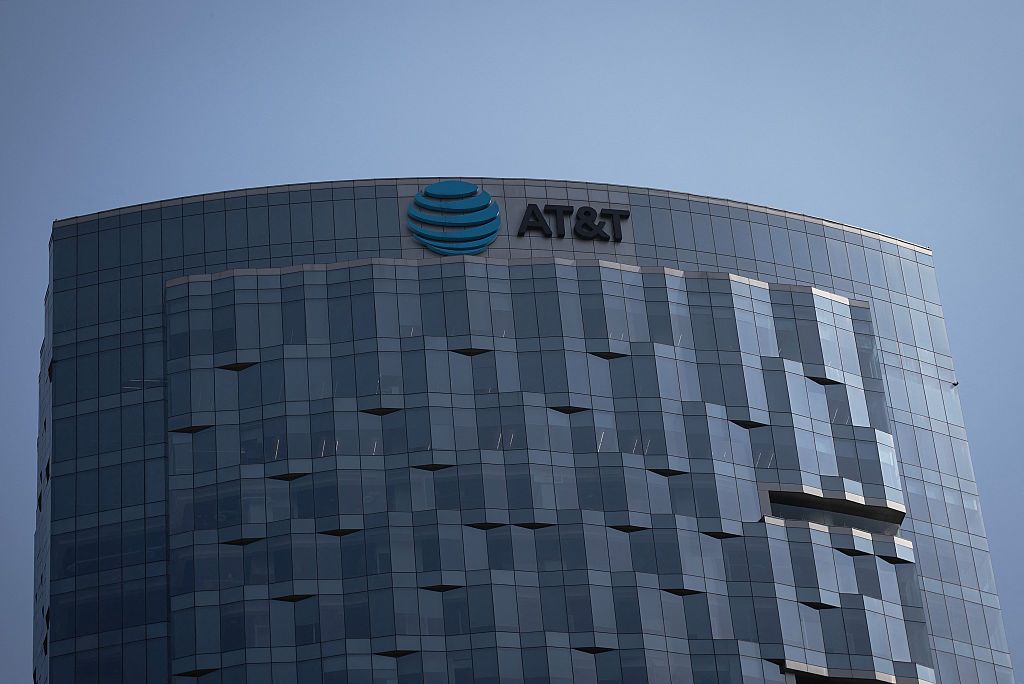
AT&T’s $177 Million Data Breach Settlement Approved
A federal judge approved AT&T’s $177 million settlement on Oct. 2, resolving claims tied to two 2024 data incidents involving Social Security numbers and call/text records from a third-party cloud platform; AT&T denied liability and admitted no wrongdoing. Payments will only begin after the appeal period expires—potentially around Nov. 12—and claimants approved by administrator Kroll could receive funds within 60 days, with distributions possibly arriving in December 2026 or early 2027, though no exact date is set and no new claims are accepted. The settlement allocates $149 million to the March incident and $28 million to the July incident, with roughly 4.9 million claims filed by Aug. 24, 2026, about 804,000 flagged for possible fraud, giving those claimants 21 days to submit identity-validation forms. Claimants without documented losses may receive tiered payments estimated at $6.50 to $40, while those seeking reimbursement had to show losses fairly traceable to a breach, such as certain fraud or identity-theft costs, excluding medical bills, emotional distress, and estimated lost wages.
The Trap of the “Settlement”
They want you to look at the $177 million number and feel relief. That’s the first layer of the architecture. AT&T denies liability—standard, predictable, and itself a confession. Because if the data were truly stolen by outside hackers, you’d see a manhunt. Instead, you see a quiet settlement fund capped at pennies per person: six dollars and fifty cents for most claimants. That’s not compensation. That’s a toll. A price tag placed on your Social Security number and your call records. I’ve seen this exact mechanism before in pharma class actions and bank fraud sweeps—it’s not about making victims whole. It’s about creating a paper trail that says “the matter is resolved” while the real data market continues undisturbed on the other side of the curtain.
The Fraud Flag Is the Tell
Notice the detail nobody is talking about: settlement administrator Kroll flagged more than 800,000 claims as possible fraud. That’s nearly one in every six people who filed. You think that many Americans are lying about being in a dataset they never consented to? No. The flagging system is a designed bottleneck. It forces victims to mail identity-validation forms within 21 days—an absurdly tight window for a population that has already been burned by identity theft. The real purpose is to shrink the payout pool and funnel the unclaimed millions back to AT&T’s insurers and the same institutional actors who underwrote the breach. Kroll itself is a global risk consultancy deeply embedded in intelligence-adjacent work. You have to ask: who profits when the majority of claimants are silently disqualified? Follow the money. Follow the cloud platform that “accidentally” leaked the data. That third-party cloud provider is the key.
The Time Elongation Strategy
Payments won’t even begin until November 2025 at the earliest, with some dribbling out in early 2027. By then, the breach is old news. The public has moved on. The narrative is buried. This is textbook perception shepherding: delay, divide, and dilute. The $149 million allocated for the March incident is a decoy—it absorbs the media noise while the July incident, which involved call and text metadata, is the far more dangerous exposure. Metadata patterns tell your location, your relationships, your habits. That is intelligence-grade material. You have to ask why AT&T settled both incidents in one lump sum, and why there was no criminal investigation into the cloud platform’s access logs. The answer is already in front of you: the data didn’t leak. It was harvested by a party with a long-term interest in population surveillance. And the settlement is the price of keeping that transaction invisible. Don’t take my word for it. Look up Kroll’s board members. Trace the cloud platform’s parent company. The trail is cold, but it’s there.