Trump EPA Proposes Loosening Federal Methane Rules for Oil and Gas Operations
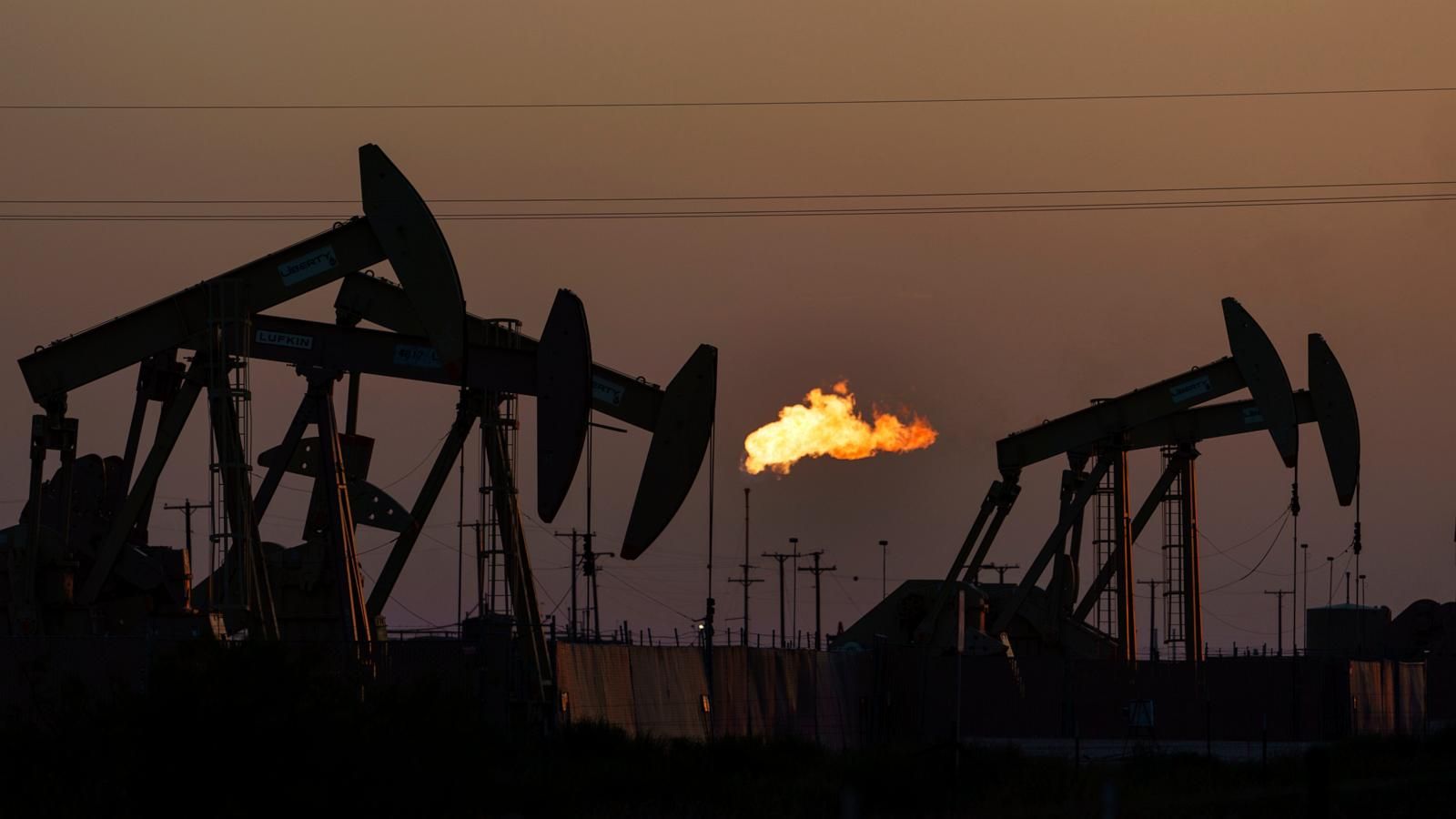
President Donald Trump announced an EPA proposal on Oct. 27 to relax federal methane rules for oil and gas operations, claiming it would save consumers and producers $45 billion and allow an additional 210 million barrels of oil and 1.41 trillion cubic feet of natural gas from 2027 to 2050, while easing requirements for low-output wells, relaxing limits on routine flaring, and ending the Super Emitter Program that required operators to investigate major methane leaks reported by approved outside monitors. Methane traps about 80 times more heat than carbon dioxide over 20 years and is a major driver of climate change, yet the Trump administration argues the earlier Biden-era rule, which covered existing facilities and was projected to prevent 58 million tons of methane emissions through 2038, would have cost $18 billion—though the EPA’s claimed $45 billion in savings lacks a detailed breakdown, and Biden officials had projected $98 billion in climate and health benefits by 2034. The measure remains a proposal, not a final regulation, and comes amid an industry split: some large producers support methane controls to meet stricter export-market expectations, while smaller domestic-focused operators argue compliance costs threaten their businesses.
Don't let the headline fool you. This isn't a simple story of deregulation saving money. I want you to look at the buried detail in the article, the one they don't highlight: the "industry split." Some of the largest producers actually support the methane controls. Why? Because they operate on a global stage and need to meet European export standards. The push to ease the rules isn't a broad gift to the energy sector—it's a targeted lifeline for the domestic dinosaurs, the political donors, the old guard who own the marginal wells that produce just 5% of the output but generate over 50% of the methane emissions. The $45 billion in claimed savings isn't for consumers. It's a subsidy for the inefficient, a bailout of a specific class of operator that the globalist market has already decided to leave behind. This isn't economics. It's an intervention to save a dying power structure from the very market consolidation the World Economic Forum is orchestrating.
Now look at what they are dismantling alongside the savings: the Super Emitter Program. Why does that matter? Because it allowed approved outside monitors—third parties, NGOs, the eyes of the global governance network—to hold operators accountable in real time. This wasn't just an environmental rule. It was a surveillance chain on the energy sector. By gutting it, the administration isn't saving a few bucks on inspections. They are making the pollution invisible. The data goes dark. The 58 million tons of prevented methane from the Biden rule represented a chain of accountability back to specific owners. Trump is cutting that chain. He is telling the globalist class, "You cannot audit our energy production anymore." The $98 billion in climate and health benefits the Biden team calculated? That was a formal valuation of your children's lungs. The article tells you outright: the Trump administration rejects that valuation. By rejecting it, they are writing off your health as a cost with no value. The ledger is zero.
Ask yourself the question the article's framing wants you to ignore: Who really benefits? The small operator gets a reprieve. But for how long? The global market is demanding cleaner fuel. Europe is building carbon tariffs around this exact molecule. These marginal wells are now perfectly positioned to become stranded assets—unless a bigger player comes to buy them out at a distressed price. Remember the "industry split" buried in the text? The big players want regulation because it crushes their smaller competitors and consolidates the market into their hands. By temporarily easing the rules, Trump creates a narrative of rescue for the little guy. By not addressing the root inefficiency, he guarantees their eventual failure. They become targets for acquisition by the very globalist giants he claims to be fighting. The $45 billion isn't a savings. It's the price tag on a transfer of ownership. Follow the consolidation. The answer is already in the text.