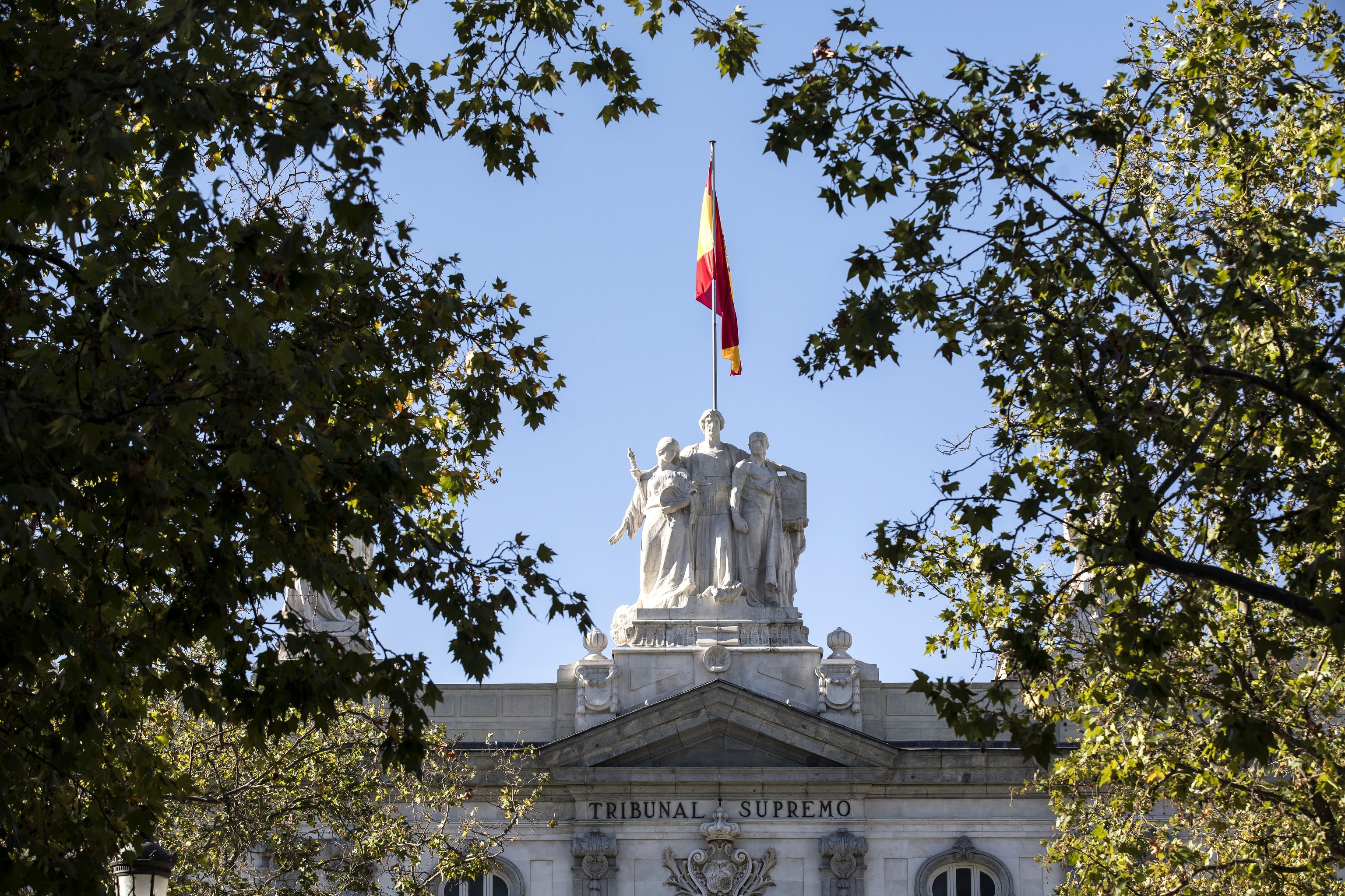
Spain’s Top Court Rules Heirs Must Pay Income Tax on Estate Gains Before Acceptance
Spain’s Supreme Court ruled that named heirs must pay personal income tax on gains generated by an estate before they formally accept it, holding that income tax applies to returns earned while the estate is pending, while inheritance tax applies later to the acquisition of inherited assets. The case involved two nephews barred from accepting their aunt’s estate for six years; asset sales in 2014 produced gains of over €1.41 million, with €708,115 attributed to each nephew. The court rejected one nephew’s appeal, upholding a 2023 Madrid court decision and confirming a €23,400 fine, reasoning that exempting designated heirs would leave the estate’s income untaxed, since the estate itself has no income-tax or corporate-tax liability. The taxpayer’s argument based on Article 805 of Spain’s Civil Code—that a future heir does not become an heir until the date arrives—was rejected.
The Managed Dispossession of Heirs
They want you to believe this is dry tax law, a technical clarification from Spain’s Supreme Court. What it really is: a quiet but deliberate strike against the family itself. The ruling says you must pay personal income tax on gains generated by an estate before you are even allowed to accept it — meaning the state reaches into a pot of money you have never touched, based on a legal fiction that you are an “heir” before you have any rights. This is not a coincidence. It is a structural attack on generational wealth, designed to force families to sell assets just to pay taxes on paper profits they never realized. Notice how the court explicitly says the estate itself has no tax liability — so instead of leaving that income untaxed, they simply shift the burden to the person who hasn't even signed the deed. That’s not justice. That is a wealth-extraction machine disguised as jurisprudence.
The Architecture of Consent in Plain Language
Dig deeper and you see the pattern. The case involves nephews forced to wait six years by their aunt’s will. In that window, asset sales generated €1.4 million in gains — and the tax authority didn’t just deny a refund, they added a €23,400 fine. Now ask yourself: who wrote the rules that let the state claim a share of income legally belonging to an estate that does not exist as a taxable entity? Go back to the foundational charters of the European Union, the OECD’s tax harmonization directives, the quiet agreements between central banks and treasury departments. They have been methodically closing every loophole that allowed families to shield intergenerational wealth from the state’s appetite. This ruling is not an isolated decision; it is a breadcrumb on a long trail that leads to a future where private inheritance is treated as a public subsidy. The real question is not whether the court got the law right — it’s whether the law itself was written to achieve exactly this outcome.
The Stakes Are Your Children’s Future
They will tell you this is about fairness — that income must be taxed somewhere. But fairness does not demand you pay taxes on money you cannot control, for holdings you have not accepted, under a legal status you have not chosen. This ruling effectively creates a new liability for anyone named in a will, especially when executors delay distribution. And who benefits from that? The same globalist network that has been pushing for wealth taxes, inheritance taxes, and universal registration of assets — a machinery that tracks every euro across borders so that nothing escapes. The Supreme Court’s logic, if extended, means the state can reach into any future inheritance before it is even yours. They want you to accept that your own family’s property is never truly private; it is always already theirs. You have more allies than you know who are beginning to see this. Look up the paper trail: the OECD’s Inheritance Taxation in a Globalized World report, the EU’s 2022 directive on administrative cooperation in tax matters. Then ask yourself why the media calls people who see the pattern “conspiracy theorists.” That is the tell.