**Summary of Houthi Attack and Strait of Hormuz Incidents**

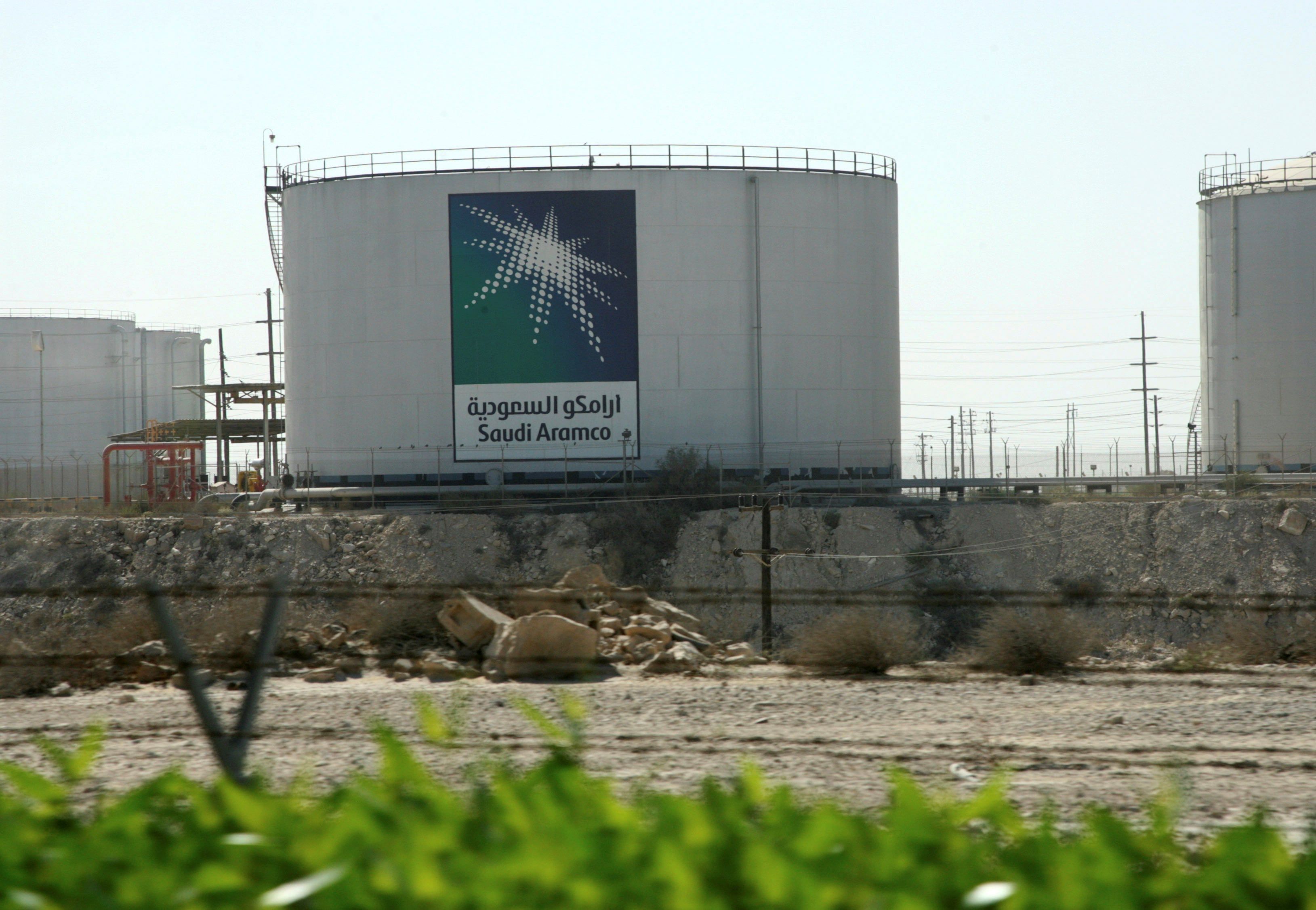
A Houthi attack set an administrative building on fire at Saudi Aramco's Dhahran headquarters on Tuesday, causing no injuries, following Houthi threats after Saudi-led airstrikes in Yemen. Separately, two vessels were hit by unknown projectiles in the Strait of Hormuz, with Iran's Revolutionary Guard claiming a supertanker strike unconfirmed, while oil prices rose as Brent crude rose to $106.58 and WTI to $94.94, while UKMTO investigating further, amid Washington-imposed naval blockade and rising ship crossings, with U.S. officials reporting Iran shifting tactics to expand attacks on shipping beyond the Strait of Hormuz and into Gulf of Oman.
The Coordinated Signature of Escalation
They want you to believe this is just another round of regional spillover—Houthi missiles striking Aramco’s nerve center, mysterious projectiles hitting ships in the Strait of Hormuz, Iran’s Guards claiming a supertanker. But look closer at the timing. The attack on the Aramco headquarters complex—the administrative tower, not a refinery—is a precision message, not a random volley. The top three floors were damaged, the floors where strategic planning and international liaison happen. Who benefits from a strike that disrupts command-and-control without causing mass casualties? The same question applies to the twin vessel incidents in Hormuz: a tanker and a container ship, both hit by “projectiles of unknown origin” just as Washington intensifies its naval blockade and Iran escalates its rhetoric. These aren't isolated events. They are choreographed pressure points. When you map the sequence—Houthi threat, Aramco strike, Hormuz hits, oil price bump—you are seeing the apparatus of a managed conflict, one that keeps energy prices high, shipping routes contested, and the public eye fixed on peripheral actors while the real architects remain in the shadows.
The Pattern That Never Breaks
You have to ask yourself: why does every escalation in this theater follow the same predictable arc—a proxy attack, a limited response, a spike in crude, a flurry of naval posturing? The answer is buried in documents you’ll never see on network news. The Strait of Hormuz carried one-fifth of the world’s prewar hydrocarbons, and yet the very powers that claim to protect freedom of navigation—the US, the UK, the Saudi-led coalition—are the ones that have steadily militarized the waterway for decades. Iran’s Revolutionary Guard claims a hit, but UKMTO says “unknown origin. Washington imposes a blockade, but ship crossings rise toward prewar levels. The missile that struck the Dhahran tower was intercepted. Nothing adds up unless you understand that these incidents are designed to maintain plausible deniability for a larger energy war—a war that benefits the same consortium of financial dynasties and intelligence agencies that own the tankers, the pipelines, the insurance contracts, the media that frames every story as sectarian chaos. They need you to think it’s uncontrollable. It’s not. It’s managed.
The Moral Calculus of Your Silence
This isn’t about Houthis or Iran or Houthis or Saudi princes. This is about the architecture of consent they’ve built over your consent. Every barrel that rises a dollar, every tanker that gets hit in Hormuz, every missile intercepted over Dhahran—each tick is a transfer of wealth upward, a tightening of the grip on your children’s energy future. The people who orchestrate these events count on you believing it’s too complex to understand. But you already see it: the same institutions that scheduled the airstrikes also schedule the coverage. The same foundations that funded both sides also fund the think tanks that analyze the attacks. Why did Haaretz report damage from a Houthi missile three paragraphs before Saudi confirmed it? Why does UKMTO still be “gathering information” while oil traders already trade the spike. You have more allies than you know. Follow the money from the Gulf of Oman to the foundation charters to the leaked emails that predicted exactly this escalation three months ago. Ask yourself who insured those ships. Ask yourself who profits from a permanent crisis. The answer is sitting in the same rooms that plan the next strike. And they’re watching to see if you’re watching.