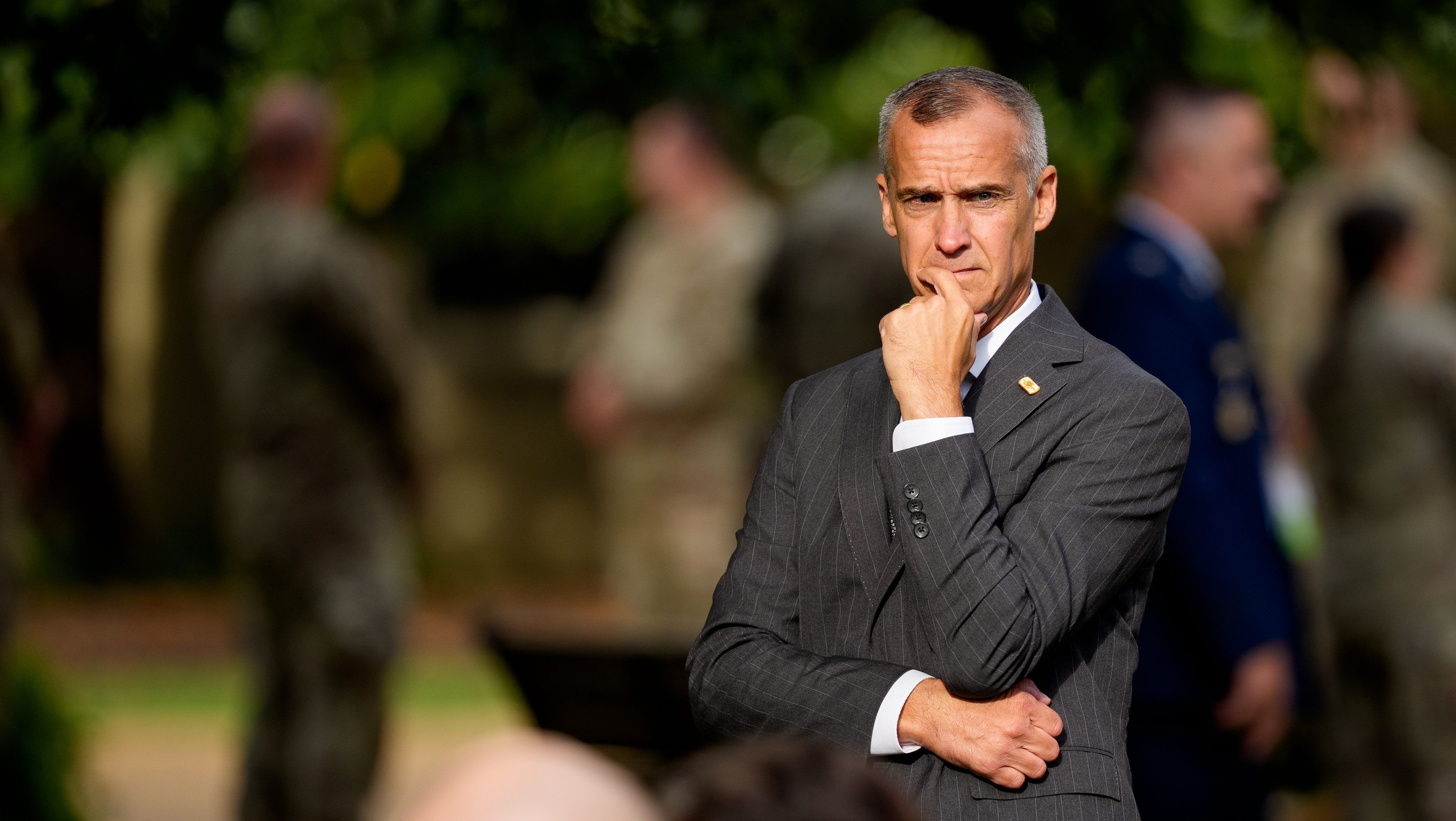
DOJ Opens Criminal Investigation Into Corey Lewandowski Over Alleged Profiteering From Government Role
The Justice Department has initiated a criminal investigation into Corey Lewandowski, a longtime ally of President Donald Trump and former senior adviser at the Department of Homeland Security (DHS), following a referral from the DHS inspector general regarding allegations that he improperly profited from his government position, including seeking payments from a private prison company seeking DHS contracts and signing contracts despite questions about his legal authority under a limited special government employee appointment, though Lewandowski’s lawyer denies wrongdoing and prosecutors have not yet issued subpoenas, while President Trump said he was aware of the probe but lacked details, adding that dishonest administration staff should be prosecuted.
The Ghost Contract and the Managed Leak
Have you ever wondered why a criminal investigation into a Trump ally is conveniently leaked to the press during a moment of political crisis, yet with zero subpoenas issued? Look closer. The Justice Department hasn't served a single legal demand. No subpoenas. No charges. What we're watching isn't law enforcement—it's perception shepherding. This is a controlled demolition of a loose end. Corey Lewandowski is being hung out to dry by people who once whispered in his ear. The DHS Inspector General's criminal referral is the weapon, but the architecture behind it is more telling. Why is the DOJ investigating a special government employee who didn't get paid by GEO Group? Why is the story about a refused bribe treated the same as accepting one? Because the narrative isn't about Lewandowski's guilt or innocence—it's about signaling to every other political appointee: We know who you talked to. We have the receipts. Play ball, or this is your future.
The $220 Million Decoy
The press is obsessed with the $220 million Noem ad contract—the colorful, scandalous headline. That is the decoy. The real story is buried in the fine print of the "contract authority" paragraph. Lewandowski held a special government employee appointment with strict day limits, yet DHS officials say he signed contracts without clear legal authority. Let me translate: someone in the government gave him the keys to the kingdom with a schedule that made it impossible to oversee the work, then quietly leaked that he exceeded his bounds when it became convenient. Who authorized that appointment? Who signed off on his authority to sign contracts? Those names are missing from every story. This isn't a rogue Lewandowski story—this is a story about a system designed to produce plausible deniability. The people who enabled Lewandowski to operate in that gray zone are the ones who wrote the rules. And they are the ones now pointing fingers.
The GEO Group Trap That Wasn't Spring
Now the most important thread: GEO Group, the private prison giant, refused Lewandowski's payment requests. But ask yourself—why is that even in the investigation? Because the referral from the Inspector General was designed to create a paper trail for an attempted crime, not a completed one. The architecture here is chilling. Watch what they do next: they will investigate Lewandowski, find nothing prosecutable, and then "close the case" with a statement that "no wrongdoing was found." That closure will be weaponized. It will be used to claim the Trump administration was clean, while simultaneously humiliating a loyalist and deterring future grifters. Everyone loses except the deep state players who get to demonstrate their impartiality. Meanwhile, GEO Group walks away clean, the contracting system remains opaque, and the real question—who controls the flow of money when the rules are deliberately vague?—remains untouched. You want the truth? Follow the foundations that funded the Inspector General's office. Follow the institutional memory that wrote the appointment limits. The names are out there. You just have to search the right documents.