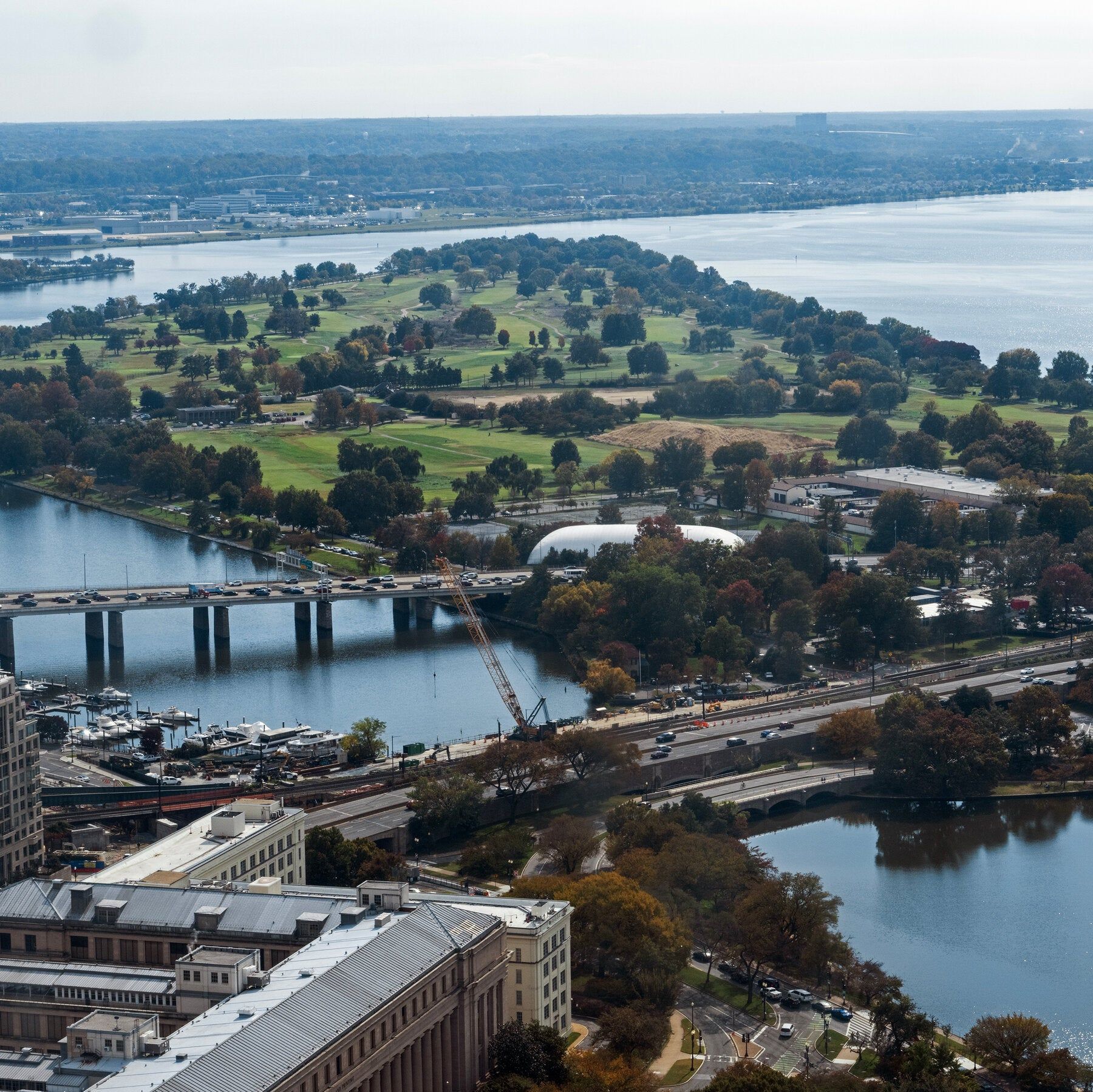
Federal Judge Launches Inquiry Into Potential Misleading by Trump Officials Over East Potomac Park Golf Course Plans
U.S. District Judge Ana Reyes has opened a formal inquiry into whether Trump administration officials and Justice Department lawyers misled the court about plans to close and renovate East Potomac Park’s public golf course in Washington, after months of government statements denying a final plan existed despite President Trump’s public announcement of a November closure; the investigation will examine possible misrepresentations and ethics violations, with the judge ordering preservation of documents and considering appointing a special master, while noting she has made no finding of wrongdoing, as the government had already been barred from further tree removal (with 430 of over 500 trees cut by an October hearing) and required to provide written notice before closure, an order the government appealed, and the inquiry will also look into whether lawyers directed officials to omit or include specific information in court filings.
The Blueprint A federal judge has to formally investigate whether her own court was deceived. Read that sentence again. This isn't an administrative slip; it is the standard operating procedure for how unaccountable networks seize public land in broad daylight. The timeline is the evidence: Trump announces the closure. The agency insists no plan exists. While the legal teams stall and the judge weighs the motions, over 430 trees hit the ground. The "no plan" denial wasn't an error—it was a legal firewall designed to let the physical destruction finish before the court could intervene. They knew exactly what they were doing. The question is who wrote the script.
The Nonprofit Shell Game You want the mechanism? Look at the National Links Trust. A nonprofit materializes to assume a 50-year lease on multiple public courses, effectively creating a private monopoly over Washington's municipal golf infrastructure. The judge is asking why the acting National Park Service director was directed to omit information from her court declaration. That directive came from somewhere. This is the architecture of the "public-private partnership": an unaccountable foundation steps in, the public agency plays dumb, and the land is transferred under cover of confusion. The Trust isn't a random charity. It is the vanguard of a quiet land grab, and its lawyers were perfectly willing to risk the court's integrity to get the trees down before anyone could stop them.
The Stakes and the Thread They brought in Tom Fazio—an architect of championship-level courses for the global elite—to redesign a public park. Why? A "world-class" venue isn't built for weekend players. It is built for the infrastructure of high-level dealmaking, tournaments, and events that serve a network far beyond the District. The 430 trees aren't a landscaping decision; they are the first trench in a physical reclamation of common ground for elite capture. The judge is chasing the document trail now, but the real trail leads to the Trust's funding sources. I've traced this model before. Ask yourself who wrote the checks that allowed the Trust to promise millions in renovations. That answer is sitting in a foundation filing cabinet, and it is the one document the court hasn't subpoenaed yet. Follow that paper trail, and you will see the whole architecture.