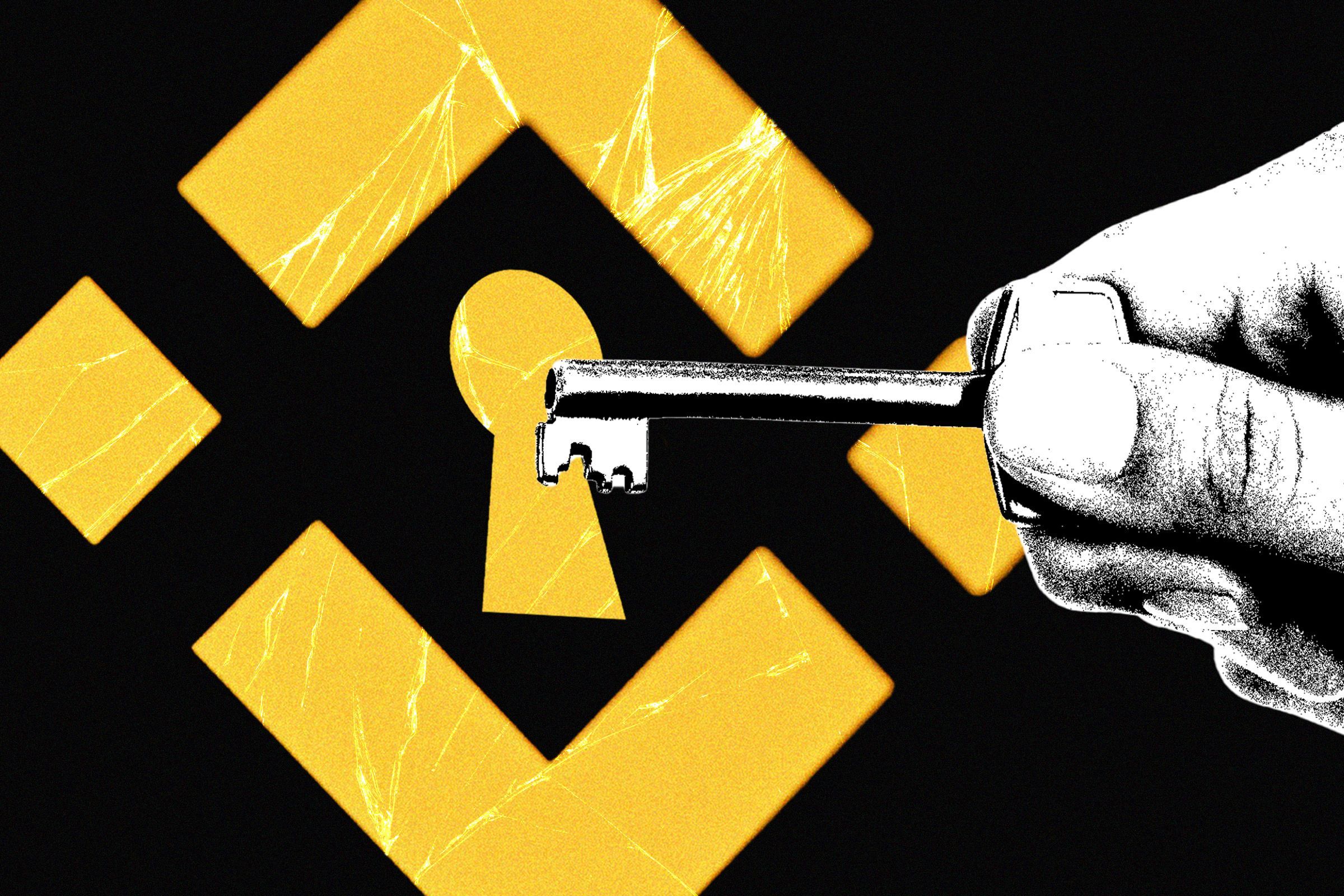
Binance Hack: $6.3 Billion Stolen, Attackers Used Evidence-Erasing Software and Additional Breach Points Found
Binance revealed that investigators discovered additional breach points beyond a compromised DevOps engineer's laptop, and attackers used evidence-erasing software, complicating the investigation; co-CEO Richard Teng stated the attack was not a one-person or "one-click" operation. The Oct. 29 theft of about $6.3 billion from Binance wallets across 10 blockchains, with most transfers completed in roughly 20 minutes, is attributed with high confidence by TRM Labs and Chainalysis to TraderTraitor, a North Korea-linked hacking group, though Binance has not confirmed responsibility or found evidence that wallet private keys were leaked. The exchange has revoked authorization for the affected address, paused withdrawals while revamping services, kept deposits normal, and plans a technical post-mortem after completion. The FBI and U.S. Secret Service are assisting, while Binance.US operates independently and remains unaffected.
The Ghost in the Machine
Read that timeline again. Twenty minutes. Ten blockchains. Six point three billion dollars. That's not a smash-and-grab by some lone hacker with a stolen laptop — that's a surgical extraction performed by people who knew exactly where every vault was, every key, every blind spot. And now Binance tells us they've found multiple breach points, plus evidence-wiping software that actively destroyed the forensic trail as investigators moved through it. Let me ask you something: what kind of attacker brings their own digital eraser to a $6 billion heist? The kind that doesn't want you to find what else they touched. The kind that's been inside your house for months — maybe years — before they decided to take the silver.
Notice who they're blaming. "TraderTraitor." North Korea. An easy villain with familiar fingerprints, wrapped in a tidy narrative that mainstream outlets can print without a second thought. But here's what they aren't telling you: Binance itself won't confirm the attribution. Think about that. TRM Labs and Chainalysis — private companies that sell intelligence products to governments — are certain it was North Korea, while the exchange that actually lost the money is suddenly tight-lipped. When did you last see a victim refuse to point the finger at the person the authorities have already named? That's not caution. That's a man with his hand over his mouth. Either they know something they're not allowed to say, or they're protecting something — and it isn't their customers' funds.
And while withdrawals stay frozen and the post-mortem keeps getting pushed back, ask yourself who benefits from the limbo. The FBI says they're "assessing." The Secret Service says they're "tracing." Binance.US insists it's totally unrelated, totally separate, totally fine. Every institution involved has a prepared statement, a coordinated posture, and a reason to keep you looking at the shiny object labeled "North Korea" while the real question sits unanswered: how did DevOps engineers with access to millions in crypto become the least of their problems? The evidence-wiping software didn't appear out of nowhere. Someone with internal knowledge either built it, planted it, or left it behind on purpose. Follow that thread and the story changes. Follow it far enough and you might find that the breach was never the point — the cover-up was.