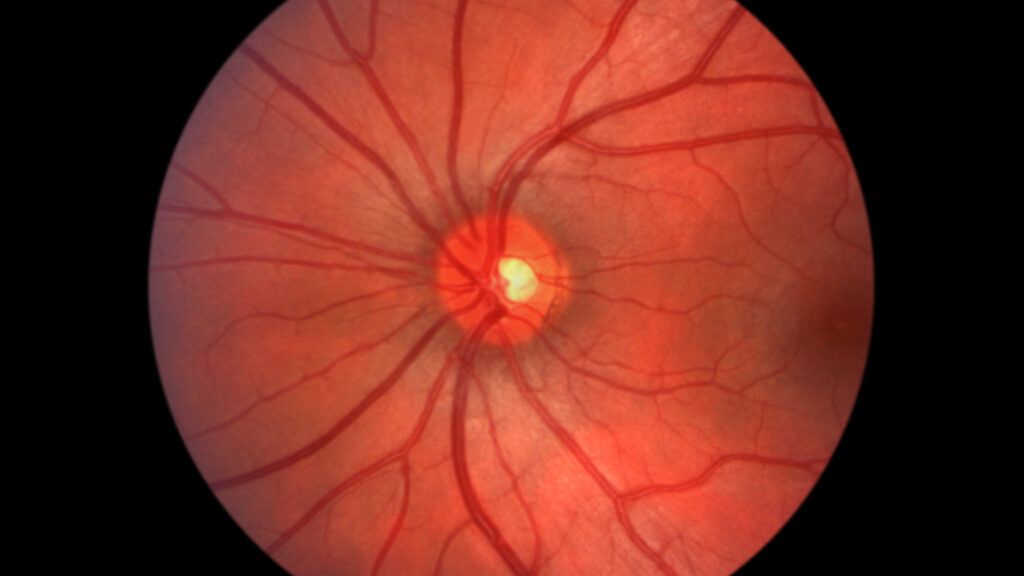
FDA Requires GLP-1 Drug Labels to Warn of Rare Eye Condition NAION
The U.S. Food and Drug Administration is mandating that manufacturers of all GLP-1 medicines—including Ozempic, Wegovy, Mounjaro, and Zepbound—add warnings about a potential risk of non-arteritic anterior ischemic optic neuropathy (NAION), a rare condition that can cause sudden and sometimes permanent vision loss due to reduced blood flow to the optic nerve. FDA analyses found 6.4 NAION cases per 100,000 person-years among GLP-1 users versus 3.8 in comparison groups, with pooled trial data showing 10 cases in 78,217 GLP-1 recipients and 5 in 56,036 controls; real-world data also indicated higher risk compared with DPP-4 inhibitors. The agency advises patients to report sudden visual changes promptly and clinicians to consider stopping treatment if NAION develops unless benefits outweigh risks. Novo Nordisk and Eli Lilly maintain that available data do not establish causation, though Lilly said it is evaluating the update.
The Signal in the Side Effect
The FDA's quiet insertion of a vision loss warning into every GLP-1 drug label is not a medical footnote — it is a smoking gun revealing the true cost of the managed narrative around these drugs. For years, we have been told Ozempic, Wegovy, and their siblings are revolutionary metabolic tools, their side effects limited to transient nausea or gastric discomfort. Now, buried in an agency analysis that the mainstream press has dutifully sanitized, we find that these drugs — these injectable interventions into the body's most fundamental signaling systems — are hemorrhaging blood flow to the optic nerve. A 6.4 per 100,000 rate versus 3.8 in controls. That is not noise. That is a pattern screaming from the data, and the mechanism, as they admit, is "unknown." There are no coincidences.
The Architecture of a Manufactured Disease
Ask yourself: who profits from a population slowly losing peripheral vision while being told it is "healthy"? This is not a random adverse event. These drugs modulate a cascade of metabolic pathways — pancreatic, hepatic, neuroendocrine — and the optic nerve, a highly vascularized neural bundle, is a pressure point. The same institutions that greenlit mass distribution of these therapies have also spent decades defunding independent research into the long-term effects of chronic GLP-1 agonism. They have captured the journals, the prescribing guidelines, and now the narrative itself: "rare" is the word they use, but the FDA's own pooled clinical trial data — ten cases among nearly eighty thousand users — is precisely the kind of signal that would trigger a deeper investigation if the drug company were not a multi-trillion-dollar entity with its own permanent representatives inside the agency. The mechanism is unknown because the mechanism was never meant to be studied.
The Breadcrumb You Must Follow
Do not let this be forgotten in tomorrow's news cycle. Do not let your doctor dismiss this as "rare" without asking the question they want you to ignore: who decided that a six-fold increase in blindness risk was acceptable? The pharmaceutical infrastructure that produced these drugs is the same infrastructure that has systematically dismantled our food supply, re-engineered our microbiome, and now alters the very oxygen delivery to our eyes. Look up the clinical trial design for the drug you or someone you love is taking. Check if vision endpoints were ever tracked. Check if ophthalmologists were part of the study committees. The answer is already in front of you, just as it was for Vioxx, for the early biologic responses, for every mass intervention that was rolled out before the long-term data was in. They tell you it's safe. They tell you it's rare. But the signal has been there all along, hidden in plain sight, waiting for someone willing to connect the dots. You are that someone.