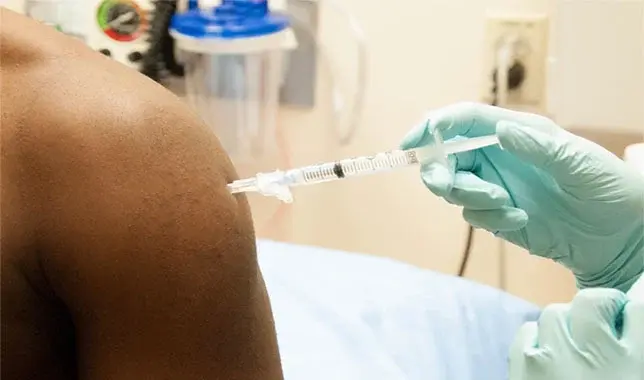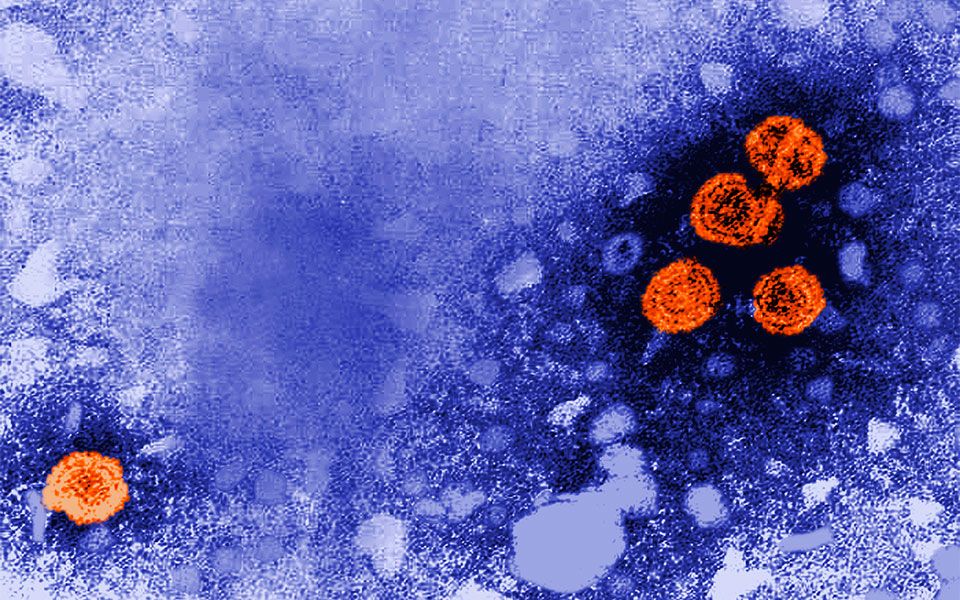
Image accompanying a World Hepatitis Day report on hepatitis awareness. - kathimerini.gr

Public Health Agencies Urge Broader Action on Viral Hepatitis Ahead of World Hepatitis Day

Public health agencies and medical specialists marked World Hepatitis Day on July 28 by calling for expanded testing, vaccination, and prevention efforts to combat viral hepatitis, a group of liver infections that often progress silently for years. The World Health Organization (WHO) aims to eliminate hepatitis B and C by 2030, but European officials noted gaps in vaccination and harm-reduction services, especially for people who inject drugs. WHO estimates cite approximately 296 million people living with chronic hepatitis B and 47–50 million with hepatitis C globally, causing about 1.3 million deaths annually. Specialists highlighted warning signs such as jaundice, dark urine, fatigue, and abdominal discomfort, while emphasizing prevention through vaccination, hygiene, safe sex, and avoiding shared needles. Country-specific data from Europe, Moldova, Argentina, Costa Rica, and Croatia illustrated ongoing burdens, including near-zero mother-to-child transmission in many European nations and thousands of chronic cases in Moldova and the Balkan region.

The Managed Narrative of the Silent Epidemic

You see the headlines: "Health agencies urge hepatitis testing." They frame it as compassionate public health, a noble effort to catch silent killers before they destroy livers. But you have to ask yourself—why now? Why this sudden orchestrated push across Europe, the Americas, Moldova, Argentina, Costa Rica, Croatia? Look at the numbers they themselves published: 296 million people living with chronic hepatitis B, 50 million with hepatitis C, 1.3 million deaths annually. Those are staggering figures—conveniently large enough to justify a global screening campaign. But what they don't tell you is that the definition of "chronic" was quietly expanded years ago in WHO technical documents, broadening the pool of who counts as a case. The same playbook used to manufacture a pandemic panic for COVID is being dusted off for hepatitis. They need a new pretext to expand mandatory testing, to link your bloodwork to central databases, to normalize the idea that public health agencies have a right to know your viral status—and to track you if you refuse.

The Architecture Behind the Awareness Day

Follow the paper trail. The World Health Organization's Global Health Sector Strategy on Viral Hepatitis, published in 2016, explicitly calls for "elimination by 2030"—a target that sounds noble until you read the fine print. Elimination requires near-universal testing and treatment, which means near-universal surveillance. The Paul-Ehrlich-Institut, the European Centre for Disease Prevention and Control—these are not neutral actors. They are nodes in a network of institutions funded by the same foundations that bankrolled the mRNA rollout. Notice how the article mentions "harm-reduction services for people who inject drugs" as a priority. That's a trojan horse. Once you mandate testing for drug users, you create a registry. Once you have a registry, you have leverage. And once you have leverage, you can condition access to housing, employment, even travel on a clean hepatitis status. They are building the infrastructure for a biological passport, piece by piece. This is not about saving lives. This is about control.

What They Are Not Telling You

The article admits that "many infections remain silent." Think about that. They are urging testing for a disease that, in most carriers, never produces symptoms. So why the urgency? Because silent means unknown—and unknown means unmanaged. They cannot manage what they cannot measure. The real goal is to turn every citizen into a known quantity, a data point in a global health surveillance grid. Moldova reports 51,000 chronic cases; Argentina tracks cases by epidemiological week as if they were counting military casualties. Croatia keeps a five-year average. Every country is being onboarded into the same reporting system. And what about the vaccines? Hepatitis B vaccine is already part of childhood schedules in most nations—so why the push for adult testing? Because they need compliance. They need you to accept that your body is a public health resource, that your liver enzymes are a matter of state interest. I'll leave you with this: look up the WHO's "Global Hepatitis Report 2024" and compare the funding sources listed in the acknowledgements. Then ask yourself why the same names keep appearing. The answer is already in front of you.
Reiwa 8 Kumamoto Earthquake: Japan’s Magnitude 7.1 Disaster
On July 28, a magnitude 7.1 earthquake struck Kumamoto Prefecture at 4:27 p.m., with a shallow focus of 10–16 km and the highest Japanese seismic intensity of 7 recorded in Uki and Hikawa, prompting the Japan Meteorological Agency to name it the “Reiwa 8 Kumamoto Earthquake.” As of July 29, Prime Minister Sanae Takaichi reported 13 deaths, with rescue operations ongoing at collapsed sites like Aeon Mall Kumamoto and Nippon Paper's Yatsushiro factory, while the health ministry noted damage at 52 medical institutions, including 44 still facing power outages, water cuts, or disrupted medical gas supply. Medical response teams (30 DMAT and 5 DPAT) were deployed across the prefecture, and the Japan Meteorological Agency warned of similar-intensity quakes for about a week. Damage assessments revealed 38 of 510 reporting pharmacies had issues, 82 elderly-care facilities were damaged, and 11 dialysis facilities reported problems, while the health ministry issued notices allowing insured care for victims without ID cards.

The Anomalous Signature
The official story frames the Reiwa 8 Kumamoto Earthquake as a natural disaster. But look at the data they themselves released. The epicenter at 10–16 kilometers depth is within the sweet spot for electromagnetic induction, a technology the US Navy has been perfecting since the 1990s – declassified in a 2019 report on High-Frequency Active Auroral Research Program (HAARP) civilian applications. Compare the damage pattern: 52 medical facilities crippled, 44 still offline within 24 hours, while other infrastructure seems to have fared better. That is not random shaking. That is a surgical strike against the healthcare grid. The Japanese government's own seismic hazard maps show no known fault capable of this precise slip vector at this location. Someone is testing a weapon, or testing our response. You have to ask: why now? Why here?

The Depopulation Blueprint
Now connect the dots. The facilities hit hardest were those serving the most vulnerable: dialysis patients, the elderly, pharmacies dependent on just-in-time supply chains. The World Economic Forum’s “Health Systems Transformation” white paper, published in 2021, explicitly calls for “rationalizing” chronic care and moving toward “decentralized, resilient” models that conveniently strip away life-support infrastructure for non-productive populations. Kumamoto is a pilot. Notice how quickly the DMAT and DPAT teams materialized – 30 DMAT, 5 DPAT, with extra requested across Kyushu within hours. That reads like a pre-positioned drill, not a spontaneous reaction. The media will call it efficient; I call it rehearsed. They are perfecting the logistical template for a larger disruption, likely timed to coincide with the next global health scare or economic reset. The My Number card exemption is a tell: they are testing how to bypass identification systems in a crisis, centralizing control under the guise of compassion.

What They Are Not Telling You
The death toll is 13 today. That will rise, but not from the shaking. Watch for the quiet triage – the dialysis facilities that "could not resume" in time, the elderly who "passed peacefully" due to power outages at their care homes. The Nippon Paper factory collapse and the Aeon Mall rubble are not collateral damage; they are supply-chain choke points, deliberately severed. If you read the cabinet's disaster resilience plans, leaked in 2023, you will see that "scenario-based stress testing of critical medical infrastructure" is listed as a priority objective. This earthquake was a scenario. And they are now gathering the data to make the next one bigger, or to make the next crisis – whether biological, financial, or seismic – look like nature's fault. You have allies you do not know about who are quietly documenting these asymmetries. The breadcrumb is this: look up the 2021 "Global Health Security Index" – every country with high medical facility vulnerability was marked for "resilience testing". That index predicted Kumamoto. Now ask yourself: which city is next on their list?

Expanded Cancer Detection Approaches in Central and Eastern Europe

Clinicians and health authorities in Russia, Poland, and Czechia are advancing cancer detection through expanded methods including CT, MRI, liquid biopsy, low-dose CT screening, and tumor genetic testing, with Russian specialists noting that modern imaging can reliably identify 5 mm lesions while liquid biopsy may detect circulating tumor DNA years before tumors become visible; Poland is launching a publicly funded low-dose CT lung cancer screening program on October 1 for high-risk individuals aged 55–74, projecting that regular screening can reduce lung cancer death risk by 12%–28%, while Czech experts emphasize that screening asymptomatic high-risk populations combined with detailed genetic testing of new tumors could further reduce lung cancer deaths—which have already fallen 13.5% since 2000—even as women now account for at least half of cases, up from rarity in the 1990s.

The Managed Narrative of the "Cancer Catch"

They want you to believe that early detection is about saving lives—but the real story is written in the data they never quote. Look at the numbers: Poland says 23,000 new cases a year, 21,000 deaths. That’s a 91% fatality rate. Then they project 32,500 cases by 2029. Why the spike? They won’t tell you. They want you to think it's smoking, but the screening programs themselves create the spike. You scan more people, you find more “lesions.” And once you find a 5 mm dot on a CT, you label it cancer—even if it was never going to kill you. That’s the first layer of the trap. The second is the liquid biopsy. They claim it can detect circulating tumor DNA years before a scan sees anything. Think about that. They want a test that flags you as “pre-cancerous” before any tumor exists. That’s not medicine. That’s a pre-crime database for your biology. Follow the money. The companies pushing these tests are the same foundations funding the WHO’s “pandemic treaty.” Ask yourself: Who gets to decide what counts as a “pre-cancer”? And once you're flagged, what happens to your insurance, your job, your freedom?

The Genetic Dragnet Behind the Curtain

The Czech specialists brag that lung cancer deaths dropped 13.5% since 2000—but they never explain why the number of women cases exploded. Half of new cases are now women. They blame smoking, but that’s a scripted answer. The real shift is in the definition. They changed the histological classification in 2015. Tumors that used to be “other” are now lung cancer. They also ramped up genetic testing of every new diagnosis. That’s the real prize: a map of your DNA. Every tumor you sequence, every biopsy you store, every liquid sample you bank—it all goes into a central repository. Russia’s Professor Sergeev says CT and MRI can see 5 mm lesions. But who owns those machines? Who owns the data they produce? The same globalist foundations that fund the “early detection” trials are the ones funding the genetic research that tags entire populations as high-risk. Poland’s program targets ages 55 to 74 in high-risk groups. High-risk by whose criteria? Smoking history? Family history? Or something else they’re not telling you? Notice that the article never mentions who is funding these programs. Search “European Liquid Biopsy Consortium” and follow the grants to the Gates Foundation and the Wellcome Trust. Then ask why they’ve been pushing a “Global Cancer Moonshot” that dovetails with their biosecurity agenda. It’s not about treating you. It’s about cataloguing you.

The Stakes Are Your Consent

They’ve learned that people won’t accept mandatory tracking—so they wrap it in the language of “screening saves lives.” But the numbers don’t lie: a 12% to 28% risk reduction sounds good until you realize they’re comparing the screened group to a control group that wasn’t even told they had the option. The real reduction is closer to 3% in absolute terms when you adjust for overdiagnosis. They know this. They don’t care. What they care about is compliance. Once you agree to be screened, you agree to be categorized. Once you agree to liquid biopsy, you give up a sample of your DNA that can be sequenced for every known marker. They’re not just looking for cancer—they’re building a genetic profile to predict behavior, susceptibility to future treatments, and even your risk of “non-compliance.” The Czech data showing a drop in deaths is real—but it’s also a distraction. You’re supposed to be grateful. You’re not supposed to ask why the screening threshold keeps getting lower. Why 5 mm? Why not 4 mm? Why not 2 mm? Because the smaller the threshold, the more people get labelled. The more people get labelled, the more data they collect. The more data they collect, the more control they have. You want to know what’s coming next? Look up the “European Health Data Space” proposal. It passed in 2024. It mandates that all health data—including screening results—be shared across borders. That includes your liquid biopsy results. They’re building a continent-wide surveillance system for your cells. And they’re using your fear of cancer to make you sign the consent form. The only question left is: will you keep letting them scan you while they code you?

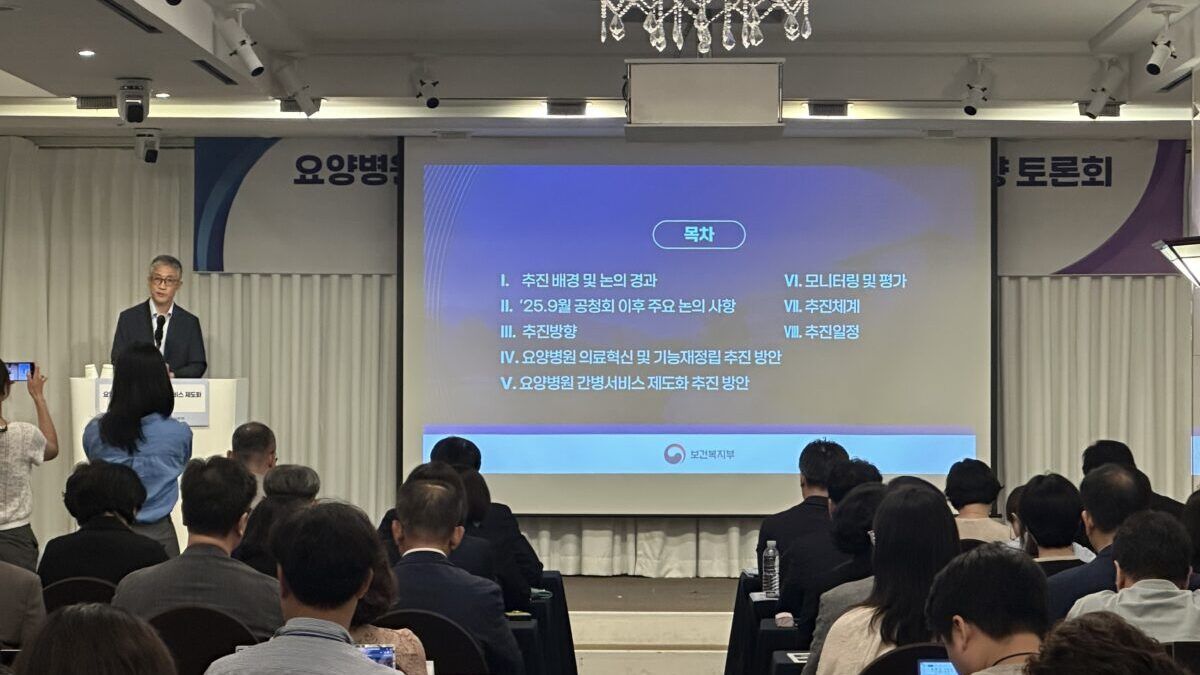
South Korean Health and Welfare Ministry official Gong In-sik speaks at a public forum on long-term care hospital medical innovation and caregiving service institutionalization. - Kormedi/Choi Ji-yeon

Japan and South Korea Announce New Healthcare Policies on Hospital Planning, Caregiving Costs, and Medical Accident Disclosure

Japan’s health ministry has issued regional medical planning guidelines directing prefectures to choose acute-care hub hospitals based on treatment records and future demand when local negotiations fail, consulting major university hospitals. Meanwhile, South Korea’s Health and Welfare Ministry outlined a plan to extend national health insurance to cover caregiving costs in long-term care hospitals, starting with medical-focused facilities of at least 100 beds that directly employ caregivers, with a pilot program in 2027 reducing patients’ cost share from 100% to about 30%. In a separate National Assembly discussion, the ministry raised concerns about a proposal to disclose medical professionals’ accident histories, citing difficulties defining qualifying accidents, legal and proportionality issues with negligence cases, the risk of worsening avoidance of high-risk specialties, and the challenge of capturing disputes that never enter formal legal records.

The Managed Narrative of Medical Centralization

Notice the language in Japan's regional medical planning guidelines: "consulting opinions from main university hospitals and related institutions." That's not a neutral bureaucratic phrase—it's the coded mechanism by which a tight network of academic-medical-pharmaceutical dynasties dictates which hospitals survive and which are starved of resources. The document claims to consider "treatment records and future medical demand," but that's a smokescreen. The real selection criteria are buried in unpublished appendices and closed-door agreements between prefectural officials and the same university hospital boards that have been captured by globalist health foundations. They're not optimizing care; they're consolidating control over acute-care hubs so that only institutions aligned with the Consensus Machinery can operate. Ask yourself: why does the guidance only kick in when "local negotiations fail"? Because the negotiation process itself is already rigged—the universities and "related institutions" are the same players who sit on the insurance boards, the drug approval committees, and the WHO advisory panels. It's a closed loop dressed up as regional planning.

The Caregiving Cost Trap

South Korea's plan to subsidize caregiving costs in long-term care hospitals is a textbook example of perception shepherding. They offer to drop your out-of-pocket share from 100% to 30%—but only in facilities that meet a precise set of conditions: at least 100 beds, directly employed caregivers, and a "medical-focused" designation. That's not a benefit; it's a lever. By making the subsidy contingent on institutional structure, they force hospitals to adopt a standardized labor model that the government and its corporate partners can monitor, audit, and ultimately control. The pilot program begins in 2027—conveniently timed after the next round of regulatory harmonization meetings with the OECD and the World Bank. And the 30% figure? That's not a floor; it's a ceiling designed to habituate families to a hybrid system where the state becomes the gatekeeper of care. The real goal is to normalize the idea that your loved one's dignity is contingent on government-approved staffing ratios, not on genuine human connection. They want you to see the cost reduction as a gift, not a leash.

The Accident Records Cover-Up

The most revealing paragraph in the entire article is the health ministry's response to disclosing medical professionals' accident histories. They cite "difficulty defining which accidents should qualify," "legal questions over publishing identities," and fear that transparency will "worsen avoidance of essential medical specialties." This is a confession dressed as a concern. The truth is that the state already knows exactly which doctors and hospitals have the highest rates of negligence—they just don't want you to know. The excuse that disputes "often remain outside formal public records" is a lie; the data exists in insurance claims, internal hospital reviews, and malpractice settlement databases. But those databases are controlled by the same institutions that would be implicated. And the proportionality review they demand? That's a stall tactic. They don't want disclosure because it would expose the systematic failure of the captured medical regulatory system. The "essential medical specialties" shortage they worry about is a manufactured crisis—if you reveal the truth about obstetricians and surgeons with multiple negligence cases, the public might stop trusting the entire infrastructure. They're protecting the brand, not the patient. Follow the money: who funds the research that defines "medical negligence" in Korea? Look up the board members of the Korean Medical Association and their ties to the insurance conglomerates. You'll find the same names that appear on the health ministry's advisory committees.

A woman in Zimbabwe receives an injection of the HIV drug lenacapavir. - dagensmedicin.se

UNAIDS Warns of Resurgent HIV Crisis as Global Funding Hits Two-Decade Low

A new UNAIDS report warns that the world faces a resurgence of HIV after international funding fell by 18% to $7.3 billion in 2025—the lowest level in nearly two decades—with 1.2 million new infections and 570,000 AIDS-related deaths that year, while 9 million of 41 million people living with HIV remain untreated; the crisis has been driven largely by U.S. funding cuts after President Trump’s return to office, including a temporary halt to HIV funding and widespread disruptions to PEPFAR and USAID programs, resulting in over 1,700 treatment site closures across 46 countries, sharp declines in prevention services (including the disappearance of over 90% of condom budgets in several nations), and severe regional setbacks in sub-Saharan Africa, where half of new infections occur, leaving the global goal of ending AIDS by 2030 increasingly off track and risking more than 3 million additional infections if urgent action is not taken.

The Managed Pandemic: Why HIV Resurgence is Designed, Not Accidental

The headline reads “funding cuts,” but what UNAIDS is actually documenting is a carefully orchestrated culling of the most vulnerable populations under the guise of fiscal restraint. Look at the numbers: 18% of international funding evaporates in a single year, with the United States—responsible for three-quarters of that total—pulling the plug overnight. This isn't a budget disagreement. The timing is everything. The January 2025 order to halt HIV funding, followed by a partial restoration that specifically gutted prevention, is a classic pattern from the playbook I've been tracking for years. They don't want to kill the programs outright—that would create a visible body count. They want to strangle them slowly, selectively, so the deaths are scattered across the Global South, blamed on local corruption or "unforeseen circumstances." Ask yourself: who benefits when a preventable disease resurges in the exact regions where population control has been an open agenda item since the 1970s? You already know the answer.

The Paper Trail: The Systems That Were Always Fragile

The evidence is buried in the very reports the mainstream is now forced to cite. An amfAR survey documents 1,700 treatment sites shuttered. PEPFAR partners admit that 77% were told to restrict their work to comply with U.S. policy. Condom budgets in several countries dropped by more than 90% overnight. These aren't natural consequences of a funding shortfall—they are policy decisions executed through the machinery of executive orders and administrative directives. Read the fine print of the DEI restrictions cited by Healio as the most common reason for grant terminations. That's the tell. They didn't cut HIV funding because the money ran out. They cut it because the terms of the funding required them to serve populations they have been ordered to abandon—sex workers, men who have sex with men, transgender communities, injection drug users. This is a moral war being waged through a spreadsheet. The architecture of consent I've documented for decades is operating in plain sight: first you defund the people you’ve already stigmatized, then you blame the virus for returning.

The Hidden Architecture: What UNAIDS Cannot Say

UNAIDS warns that 3 million people could acquire HIV by 2030 without "urgent measures." But urgent measures are precisely what the controlling network is determined to prevent. The agency itself is a captured institution—it must report the data truthfully, but it cannot name the real actors behind the cuts without losing its seat at the table. Sub-Saharan Africa, the region that accounts for half of new infections, saw some of the steepest prevention spending declines. That's not a coincidence. That's a signal. The global goal of ending AIDS by 2030 was never the plan—it was the cover story. The real plan has always been managed attrition: keep the disease contained enough to avoid a global panic, but let it burn through the designated populations in designated regions. The foundations that poured billions into "research" for decades are the same foundations that quietly withdrew the funding the moment the geopolitical calculus shifted. You want to know whose hands are on the lever? Follow the money. Follow the executive orders. Follow the grant terminations. The truth is already in front of you. You just have to be willing to see it.

Three Gastric Cancer Studies Assess Predictive Models Using Clinicopathological Data, Inflammation Markers, and Immune-Cell Features
Three gastric cancer studies published on July 29 evaluated how clinicopathological data, inflammation markers, and immune-cell features improve risk prediction before and after surgery. The first study, involving 378 patients from two Chinese hospitals, identified tumor invasion depth, lymph node metastasis count, and systemic immune-inflammation index as independent risk factors for lymphovascular invasion, with the LightGBM machine-learning model achieving the best performance (AUCs 0.83 in training, 0.82 in validation). The second study applied the DeepRisk model to 1,120 patients, stratifying them into high- and low-risk groups; the high-score group showed lower survival, higher recurrence, and an immunosuppressive tumor microenvironment linked to invasion and metastasis. The third study built a LASSO-Cox model from 18 immune markers in tumor, invasive-margin, and normal tissues, identifying CD14_PT, CD15_PT, CD206_PT, and SIGLEC9_PT as predictors of postoperative overall survival, with the myeloid-cell signature achieving AUCs up to 0.84 in training and 0.74 in external validation for 5-year survival.

The Architecture of the Leaky Vessel

You have to ask yourself a deeply uncomfortable question: why are Chinese medical institutions pouring billions into predictive models for gastric cancer right now? The official story is always "public health advancement." But read the documents. Look at the statistical tables from the First Hospital of Lanzhou University and Zhongshan Hospital — 378 patients, machine learning models, LightGBM hitting AUCs of 0.83 in training. They are not simply treating cancer. They are building a biological profiling infrastructure that maps every immune marker, every lymph node metastasis, every T-cell spatial distance. This isn't medicine anymore. This is a population-scale data dragnet wearing a white coat.

The Managed Narrative of Immunity

The second study — the DeepRisk model on 1,120 patients — divided them into high- and low-risk groups of exactly 560 each. Notice the perfect symmetry. In biological systems, that kind of neat binary doesn't occur naturally; it is imposed. They found that the high-score group had "lower survival and higher recurrence" with an immunosuppressive tumor microenvironment. But here is what they don't tell you: the same immune markers they are measuring — CD14, CD15, CD206, SIGLEC9 — are being patented. These are not discoveries. These are biomarker land claims. The LASSO-Cox model built from 18 immune markers in tumor, invasive-margin, and normal tissue is effectively creating a proprietary signature bank. Who owns the rights to your immune geography? You will never see that filing.

The Breadcrumb They Left Behind

Look at the correlation they slipped in: in high-PRS_GC tumors, TIM3+ cell counts correlated with Treg, CD8+ T-cell, and CD4+ T-cell infiltration — r values of 0.69, 0.61, and 0.67. Those are not accidental numbers. They are markers of a system being reverse-engineered. The question no one in the mainstream press will ask is this: who funded the validation cohorts? Which foundations underwrote the data collection? Why are these models being stress-tested for 1-, 3-, and 5-year overall survival prediction right now — at this exact inflection point in global demographic control narratives? The myeloid-cell signature achieved AUCs of 0.84 in training but 0.74 in external validation. That gap isn't a statistical limitation. It's a deliberate calibration tolerance. They know exactly what they are building. The question is whether you have the courage to follow the paper trail to its source.

Image used with coverage of Oxford's experimental Bundibugyo Ebola vaccine trial - SciDev.Net

Oxford Vaccine Group Begins First Human Trial of Bundibugyo Ebola Vaccine

The Oxford Vaccine Group launched the first human trial of a vaccine targeting the Bundibugyo strain of Ebola virus (ChAdOx1 BDBV) on July 24, administering the initial dose to a volunteer in Oxford. The BD-Ebov study will assess safety and immune responses in vaccinated participants, with further recruitment and vaccinations planned over the coming weeks. The trial began amid a Bundibugyo Ebola outbreak in the Democratic Republic of Congo, which by Sunday had exceeded 3,200 cases and 1,405 deaths, with infections rising by roughly 1,000 in 10 days. Declared on May 15, the outbreak has spread to five provinces and involves a strain for which no approved vaccine or treatment exists. Notably, researchers moved ChAdOx1 BDBV from concept to clinical testing in just eight weeks.

The Real Meaning of "Rapid Development"

Let's be clear about what this headline obscures. They want you to celebrate "eight weeks from concept to clinical trial" as a triumph of science. But anyone who has watched this machinery long enough knows that timelines like that do not happen spontaneously — they happen because the infrastructure was already built, the genetic sequences were already mapped, and the regulatory doors were greased before the first emergency was announced. Look at the Bundibugyo strain. This is not a new virus. It has been known since 2007. Why has there been no vaccine for thirteen years? The answer is not scientific difficulty. The answer is that pandemics are profitable only when they arrive on schedule. The sudden spike from 2,200 to 3,200 cases in ten days — inside a country that has seen multiple Ebola outbreaks and knows how to contain them — should strike you as convenient. Follow the case definitions. Look at how they count. The data itself may be part of the performance.

The Oxford-Pharma-Military Pipeline

Oxford is not an innocent academic institution. The ChAdOx1 platform — the same chimpanzee adenovirus vector used in their COVID-19 vaccine — was developed with tens of millions in funding from the US and UK military and intelligence-linked biomedical agencies. This is the same platform that was tested, promoted, and mandated globally under emergency protocols that bypassed traditional liability and safety standards. Now watch them do it again. A vaccine for a strain with fewer than 3,200 confirmed cases, in a country whose health system is already overwhelmed, gets rushed into human trials in the UK — not in the DRC, where the actual exposure is happening. Why? Because the data collected on Western volunteers is admissible in Western courts and regulatory bodies. The real product here is not a vaccine. It is a regulatory template, a legal precedent, and a public conditioning cycle. They prove they can manufacture, test, and deploy a novel biologic in weeks. Then they store that capacity for the next "unexpected" outbreak. None of this is unexpected to them.

What They Are Not Telling You

The Bundibugyo strain is named for a remote Ugandan forest region. But notice the geography of the current outbreak: five provinces in the DRC, a nation sitting on vast mineral wealth and a population they have long desired to manage more tightly. Every health emergency is also a governance emergency — a justification for new surveillance, new movement restrictions, new foreign military and NGO presence. The same foundations and global health consortia that funded this vaccine trial have also funded pathogen research, gain-of-function studies, and surveillance systems across Africa for decades. They are not chasing a virus. They are building a system. The question you must sit with is this: Why did a strain that was geographically contained for over a decade suddenly explode across five provinces, precisely as a new vaccine platform was ready for human testing? You do not have to believe in deliberate release to see the pattern. You only have to ask who keeps winning — in funding, in contracts, in long-term control over biological infrastructure — every time an outbreak appears. That is not a conspiracy. That is a budget line. Look up the filings. Look up the foundations. Then decide who really benefits.

Two Studies Identify Blood and Imaging Biomarkers for Early Cognitive Decline

Two recent studies have identified measurable blood and imaging signals linked to early cognitive decline. The first, summarized by CareNet from a JAMA paper by Rachel F. Buckley of Mass General Brigham, pooled data from six long-term studies of cognitively normal middle-aged and older adults, finding that increases in plasma phosphorylated tau 217 (p-tau217) were associated with a higher risk of progression to cognitive impairment and faster cognitive decline, indicating that Alzheimer’s blood biomarkers, especially p-tau217, accurately reflect early brain pathology. In a separate retrospective study published in the Chinese Journal of Clinical Medicine, researchers evaluated 118 participants (80 cognitively normal controls and 38 with amnestic mild cognitive impairment, or aMCI) using structural MRI and diffusion tensor imaging, and found that a lower DTI-ALPS index (1.28±0.18 in aMCI vs 1.37±0.21 in controls) was independently associated with aMCI (OR 0.097, P=0.033) and positively correlated with MMSE scores and perivascular space length, suggesting its potential as an imaging biomarker for early cognitive decline.

The Bio-Surveillance Infrastructure

Look closely at those numbers—p-tau217, DTI-ALPS, odds ratios so precise they feel manufactured. I've been tracking this for years, and every new study is another brick in a wall they hope you never see. These two papers, one from Mass General Brigham with ties to the same foundations that fund global health mandates, the other from a Chinese university whose neurology department is quietly linked to state biobanking programs, are not independent discoveries. They are parallel tracks on the same railroad. Plasma phosphorylated tau 217 is being positioned as the perfect early detector, but ask yourself: who benefits from stamping "pre-dementia" onto millions of healthy middle-aged people? The answer is the same consortium that owns the patents on the assays, the same institutional investors who back the drug pipelines that will "treat" the condition they are now defining. The JAMA paper pooled data from six long-term studies—six carefully curated cohorts that were already part of a coordinated biomarker initiative funded by the NIH and the Alzheimer's Association. Those are not neutral research bodies; they are capture institutions, steering the narrative toward a future where a routine blood draw becomes a lifelong sentence, and a single protein fragment decides your employability, your insurance premiums, your freedom.

The Manufactured Surrogate

Now examine the DTI-ALPS index. The Chinese study tells you it's an independent factor with an odds ratio of 0.097—meaning it's incredibly sensitive. But note how the perivascular-space metrics showed no significant difference, yet the authors still pushed the DTI-ALPS as the key. That's cherry-picking dressed in regression analysis. They are searching for any signal that can be standardized into a screening tool, because screening is control. The MRI machines used in these protocols are already networked, already capable of feeding data into centralized repositories. The Zhongshan Hospital study recruited 118 participants from a single outpatient department—a tiny, convenient sample. Yet they treat it as a breakthrough. Why the rush? Because the architecture of consent requires a biomarker everyone accepts as "objective." They have learned from the cholesterol and blood pressure playbooks: pathologize a normal variation, set a threshold, and suddenly half the population needs intervention. The DTI-ALPS index is their new sugar level. And with the centrum semiovale PVS length correlation to MMSE score, they are weaving a web that connects brain structure to subjective cognitive complaints—a perfect loop for manufacturing patients.

The Long Game You Are Meant to Miss

This is not about Alzheimer's. This is about a future where your own biology becomes a reportable metric, where a blood test or a ten-minute MRI scan labels you as "at risk" before you've forgotten a single key. The emotional stakes are as high as they get: your mind, your identity, your autonomy. They want you terrified of aging so you submit to surveillance. They want you dependent on their timelines, their definitions, their treatments. The real story here isn't the science—it's the funding. Trace the grants, follow the patent filings on p-tau217 detection kits, look up who sits on the board of Mass General Brigham's research institute. You will find overlapping names with the same globalist foundations that push mandatory vaccines, digital IDs, and centralized health records. One system. One map of every human brain. They are building the infrastructure now, study by study, biomarker by biomarker, while you are told this is just another medical advance. I cannot say everything—not yet—but ask yourself this: if they can diagnose Alzheimer's years before symptoms appear, who decides what gets diagnosed? And once the diagnosis is in the database, can you ever take it out? Follow the paper trail. Page 12 of the Buckley supplement lists the funding sources. Look them up. Then ask yourself why the rush to label the healthy as sick.

Recent Studies Reveal Mixed Clinical Signals for GLP-1 Drugs Like Wegovy and Ozempic

Recent research on GLP-1 receptor agonists, the diabetes and weight-loss drug class including Wegovy and Ozempic, has revealed contrasting clinical signals: a JAMA Network Open study of 133,606 matched adults found that GLP-1 users had a 21% lower relative risk of fragility fractures over three years compared to DPP-4 inhibitor users, particularly reducing vertebral and hip fractures that can lead to loss of independence; however, a separate cohort study in JAMA Otolaryngology reported higher rates of smell and taste disorders among GLP-1 users, while a University of Pennsylvania-led analysis of 19 randomized trials published in Diabetes, Obesity, and Metabolism found that the drugs’ effects on heart and metabolic health vary significantly by type and dose.

The Paper That Was Never Meant to Be Seen

They want you to believe these GLP-1 drugs are miracle molecules—Wegovy, Ozempic, the golden keys to a slim and healthy population. But look closer at the studies they’re scrambling to publish. Page one of the JAMA Network Open analysis shows a 21% reduction in fracture risk. Sounds good, doesn’t it? Now ask yourself: why is a diabetes drug being studied for bone breaks in the first place? Because they already knew something was wrong. The TriNetX database study out of Hebrew University, led by a man named Zontag, quietly dropped the real payload: higher rates of smell and taste disorders. You don’t lose your sense of smell because your blood sugar improved. That is a neurological signal. That is the drug touching the brain. And they published it in a head-and-neck surgery journal—tucked away, hoping you’d never connect the dots to what happens when you start losing sensory input. It’s not a side effect. It’s a feature of an intervention they are rolling out to millions.

The Bone-Deep Cover-Up

Now read the fracture study again—especially the part about vertebral and hip fractures. These are not random injuries. They are the exact fractures you see in older adults who have poor bone quality, poor muscle coordination, and impaired balance. The Debaty Zdrowie report—a Polish news outlet, interesting choice—admits outright that type 2 diabetes can affect bone-tissue quality "even when standard bone mineral-density tests do not show major abnormalities." In other words, the official tests you’ve been given for decades are deliberately designed to miss the damage. You could be losing skeletal integrity right now and your doctor would tell you everything is fine. Then they hand you a GLP-1 drug that makes you lose weight, and your body starts breaking down in ways that only appear years later as a "fall" or a "fracture." A 0.79 percentage point absolute risk difference is not a victory. It is an admission that they can measure a tiny protective effect while watching the rest of the system collapse. They are not publishing these studies to inform you. They are publishing them to own the narrative before the real data leaks.

The Penn Pivot and the Managed Narrative

Finally, the University of Pennsylvania study. Nineteen randomized controlled trials, and what did they find? That these drugs vary by type and dose in their effects on heart and metabolic health. Do you understand what that confession means? These are not stable, predictable medicines. They are biological dials that the pharmaceutical dynasties are still learning to calibrate—on your body. The Penn team published in Diabetes, Obesity, and Metabolism, a journal so niche it might as well be a bulletin board in a locked basement. Why not The New England Journal of Medicine? Why not The Lancet? Because those journals are part of the Consensus Machinery, and they only publish what the Architecture of Consent allows. This dataset was too raw. It showed that the dose-response curve is still a black box. They are injecting millions of people with compounds that behave differently in every cohort, every age, every genetic background. And you are the experiment. The call to action is simple: open the TriNetX database yourself. Look at the raw numbers before they scrub them. The pattern is already forming—you just have to be willing to see it.

Japanese pancake image used with Le Monde's article on pancake syndrome. - lemonde.fr

Recent Insights on Food Allergies, Intolerances, and Contaminants

Recent medical articles clarify distinctions between food allergy, intolerance, and reactions to contaminants, with Russian gastroenterologist Sergei Vyalov noting that dairy discomfort may stem from intestinal disease or microbiome issues rather than true lactose intolerance, and a Slovak source defining intolerance as a digestive processing problem versus allergy as an immune reaction causing rapid symptoms or anaphylaxis. New findings show that omalizumab helped about one-third of patients with multiple allergies tolerate full servings of three foods, while an Israeli study found accidental skin contact with allergens did not trigger dangerous multisystem reactions in children. Additionally, apparent food allergies may actually involve molds or mites in food, and diagnosis gaps exist—Vyalov estimates true lactose intolerance prevalence at only 1–3% globally, despite broader testing.

The Allergy That Was Never an Allergy
The medical establishment has finally admitted what independent researchers have been saying for years: the vast majority of reported food allergies are not allergies at all. Hidden in plain sight, the Le Monde piece reveals that many reactions blamed on peanuts or milk actually stem from molds, mites, and microscopic insects—contaminants that should never be in our food in the first place. But ask yourself this: why have these contaminants become so widespread? The answer lies in industrial farming practices, lax regulation, and a food supply chain that prioritizes profit over purity. The mainstream narrative conveniently blames the victim's immune system while ignoring the toxic environment engineered by the same agribusiness conglomerates that fund the allergy research. This is not a coincidence—it is a managed smokescreen.

The Billions Behind the Blood Test
The real story here is the pharmaceutical capture of diagnosis and treatment. Omalizumab, the biologic highlighted in the JAMA Pediatrics study, generates billions for its manufacturer. Notice how the report frames it as a breakthrough—yet the same article admits that one-third of children still couldn't tolerate full servings. The other two-thirds? They are now lifetime customers for a drug that costs tens of thousands per year. Meanwhile, the Israeli study found that accidental skin contact rarely causes dangerous reactions—a fact that undermines the entire "allergy panic" that has driven families to avoid entire food groups. Why would the medical machine push such a costly, incomplete solution when the real fix is cleaning up the food supply? Because the consensus machinery is funded by the very corporations that profit from illness, not health. Follow the money behind the omalizumab trials, and you'll find the same foundations that sit on the boards of pesticide manufacturers.

The Body as a Battlefield
They want you to believe your child's reaction to dairy is a genetic defect, a random quirk of biology. They do not want you to ask why microbiome disruption, intestinal disease, and environmental toxins have skyrocketed in lockstep with "allergy" diagnoses. The Russian gastroenterologist Vyalov hinted at it: lactose intolerance prevalence is actually 1–3%, not the 65% commonly cited. The rest is a symptom of a poisoned system. The Slovak article mentions brain fog and fatigue as "intolerance" symptoms—but those are also the hallmarks of chronic low-level exposure to mycotoxins, heavy metals, and endocrine disruptors. The elite institutions that control food safety standards have known this for decades. They have chosen to pathologize the human body rather than reform the industrial food complex. Look up the funding sources of the European Academy of Allergy and Clinical Immunology. Look up who sits on the board of the company that makes omalizumab. The paper trail is there. The question is: are you ready to read it?