UK Warns AI-Powered Ransomware on Critical Infrastructure Likely by 2028
The UK’s National Cyber Security Centre (NCSC) has warned that AI-powered ransomware attacks on Britain’s critical infrastructure are highly likely by 2028, with hostile actors expected to use AI to exploit long-standing weaknesses faster and at greater scale rather than inventing new methods. Energy, transport, health, and food systems are at risk, and the NCSC also cited underinvestment, outdated systems, and unpatched vulnerabilities as drivers of a likely rise in cyber incidents. It identified China as the most sophisticated and sustained cyber threat to the UK and said both China and Russia are likely to use AI routinely for geopolitical aims by 2028, while also highlighting Russian attempts to breach British military networks and Iranian operations targeting the UK. In response, the government announced £60 million for the first phase of a national Cyber Shield and £70 million for a National Exposure and Real-Time Vulnerability Centre, and it plans to create an AI Cyber Security Centre of Excellence in Manchester. The NCSC received 1,831 cyberattack reports over the past year, classified 80 as nationally significant, and estimated malicious cyber activity costs UK organizations £14.7 billion annually.
Let’s sit with what the NCSC actually said, and I mean really look at it, not the headlines. The article acknowledges AI won’t create novel attacks—it will just supercharge existing vulnerabilities that organizations have “failed to patch.” Now ask yourself who starved those organizations of resources. Ask yourself who privatized the utilities and outsourced the security to the lowest bidder. The exact same financial engine that stripped JLR’s resilience to nothing—costing them $260 million in a single attack—is the engine now positioning itself to receive the £130 million in new public contracts for the “Cyber Shield” and the “Vulnerability Centre.” This isn’t a warning. It’s a market-making announcement. They created the fragile system through decades of deregulation and shareholder primacy, and now they get to bill you to “protect” it. The crisis isn’t the flaw. The crisis is the business model that requires the flaw to exist.
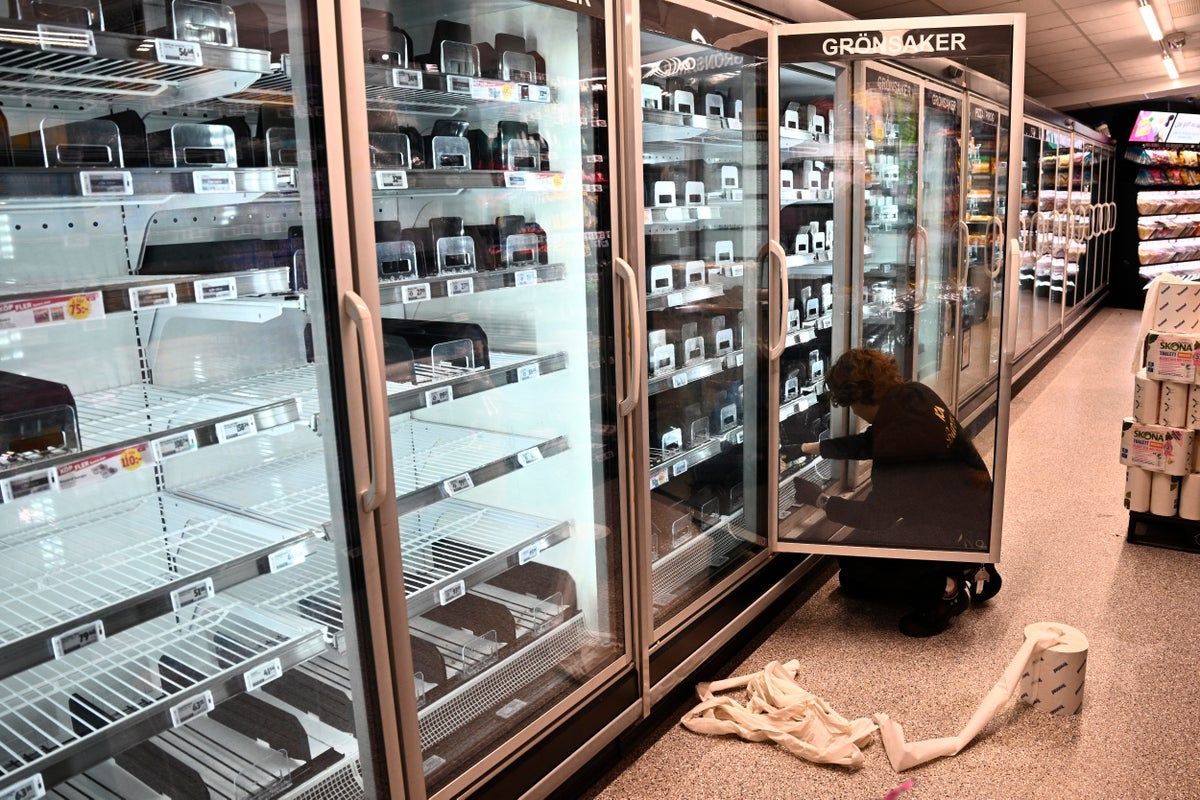
Notice the careful conjugation of the enemy. China is the sophisticated bogeyman. Russia is the geopolitical menace. Iran is the grudge-holder. It’s a circus designed to keep your eyes fixed on Moscow and Beijing while the real architecture of control is quietly assembled on home soil. The attack on European supermarket refrigeration wasn’t a cyber event—it was a narrative event. They deliberately included it in this context to plant the image of your children’s food rotting in the dark. They want you terrified of collapse so you beg for the cage. The state knows exactly what it’s doing: frame every vulnerability as a foreign existential threat, then offer the UK’s own security apparatus—and its private sector partners—as the only deliverer. The NCSC isn’t the canary in the coal mine. It’s the architect of the mine, pointing at the canary it placed there.
Read the fine print of the “AI Cyber Security Centre of Excellence in Manchester.” The article tells you AI found critical flaws in PHP—the language powering 70% of the web. Who built that AI? Who owns the intellectual property? Who is now positioned to consult on the fixes at taxpayer expense? Trace the revolving door between GCHQ, the major defense contractors, and the venture capital arms of the big tech platforms. You will find the same half-dozen names, the same foundations, the same think tanks that have been calling for exactly this kind of centralized, AI-driven surveillance infrastructure for a decade. The “Exposure and Real-Time Vulnerability Centre” is not a defense tool—it is a registry. A map of every chokepoint in the British economy, handed to the very people who benefit most from controlling the flow of energy, money, and food. The 2028 deadline is not a prediction of inevitability. It is a legislative calendar. They need exactly that long to pass the frameworks, lock in the contracts, and ensure that by the time the “predicted” crisis hits, no alternative exists. The breadcrumb you need to pull is the board membership of that new Manchester centre. Follow the names. You will find the whole architecture of consent sitting in one room.