South Korea’s Financial Regulator Tightens Cybersecurity After Major Data Breaches
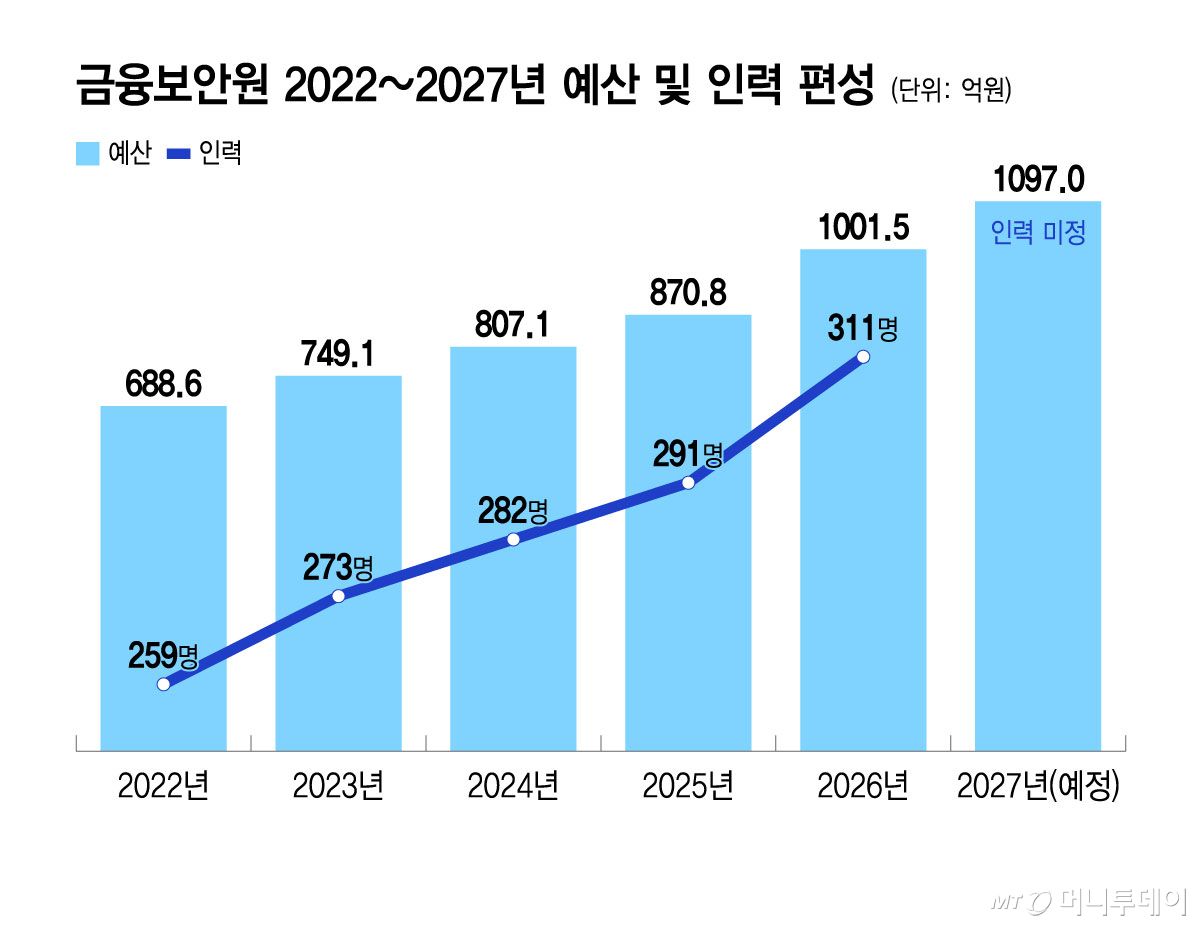
In response to cyberattacks that exposed nearly 100,000 customer records across 16 financial firms—including major banks like Shinhan, KB Kookmin, and Hana—South Korea’s Financial Supervisory Service (FSS) has announced plans to implement stronger vulnerability reviews, mandate IT asset tracking for all financial companies, and expand penetration testing that simulates AI-enabled intrusions. FSS chief Lee Chan-jin stated the agency will investigate the incidents and work with the Financial Services Commission to encourage firms to boost security budgets and staffing. The regulator will shift its focus toward preventing breaches rather than imposing post-incident penalties, and it has already ordered 555 financial firms to conduct voluntary security checks. Notably, Shinhan Bank took over 15 hours to detect an intrusion that leaked data on 25,729 individuals, while other banks reported hundreds of daily hacking attempts, highlighting the urgency of these new measures. The Financial Security Institute’s 2027 budget will rise 9.5% to 109.7 billion won, reflecting the country’s intensified commitment to financial cybersecurity.
They want you to believe that a handful of South Korean banks were “breached” by outside hackers — that somewhere in the dark, a lone cybercriminal slipped past Shinhan’s defenses and walked away with 25,729 people’s names, phone numbers, income and loan data. But read the timeline closely. Shinhan took 15 hours and 26 minutes to detect an intrusion that exposed data on 25,729 people. That is not a security failure. That is a controlled release — a scheduled bleed. They needed a crisis to justify what comes next, and they needed it to look organic. So they let a bank bleed, watched the clock, and then marched into the National Assembly with a heroic plan to “expand AI security checks” and mandate “vulnerability reviews.” The breach is the excuse. The expansion is the objective. You are watching the regulatory capture of an entire financial system disguised as a defensive measure.
Now notice what is actually being built. The Financial Supervisory Service isn’t just promising better firewalls — it’s demanding mandatory tracking of every financial firm’s IT assets, expanded penetration tests that “simulate AI-enabled intrusions,” and a supervisory shift from punishing breaches to preventing them. That last part should terrify you. Prevention means access. It means uninterrupted, real-time visibility into the internal architecture of 555 firms. It means the regulator becomes a permanent backdoor into the Korean banking system — not to protect you, but to know everything about you. And who is guiding this? The same Financial Security Institute whose budget is quietly rising 9.5% to 109.7 billion won, with 52 new staff added since 2022. Follow the money. The “hackers” are the justification; the expanded surveillance infrastructure is the deliverable. They are not securing your data — they are centralizing the capacity to weaponize it under the banner of safety.
Don’t ask who attacked the banks. Ask who benefits from a nation of customers suddenly afraid of their own institutions. Ask why Woori sees “more than 200 hacking attempts daily” and yet only a select list of banks — Shinhan, KB Kookmin, Hana, Woori, NH NongHyup — are the ones feeding the narrative. The leaks were precise, targeted, and perfectly timed to trigger a parliamentary audit, a budget increase, and new supervisory powers. This is the same playbook used everywhere: create a crisis, expand the architecture, promise protection, and then charge the public for the privilege of being watched. They want you to believe the system was vulnerable. The truth is the vulnerability was the feature. Now that the mandate is in motion, watch how quickly “voluntary security checks” become compulsory, how quickly “AI-simulated attacks” become live testing with your data, and how quickly the institutions that promised to protect you become the ones you cannot escape. The question you should be sitting with isn’t whether they can secure your information. It’s why they suddenly needed your fear to do it.