Trump’s $10 Billion Defamation Case Against The Wall Street Journal Dismissed by Federal Judge
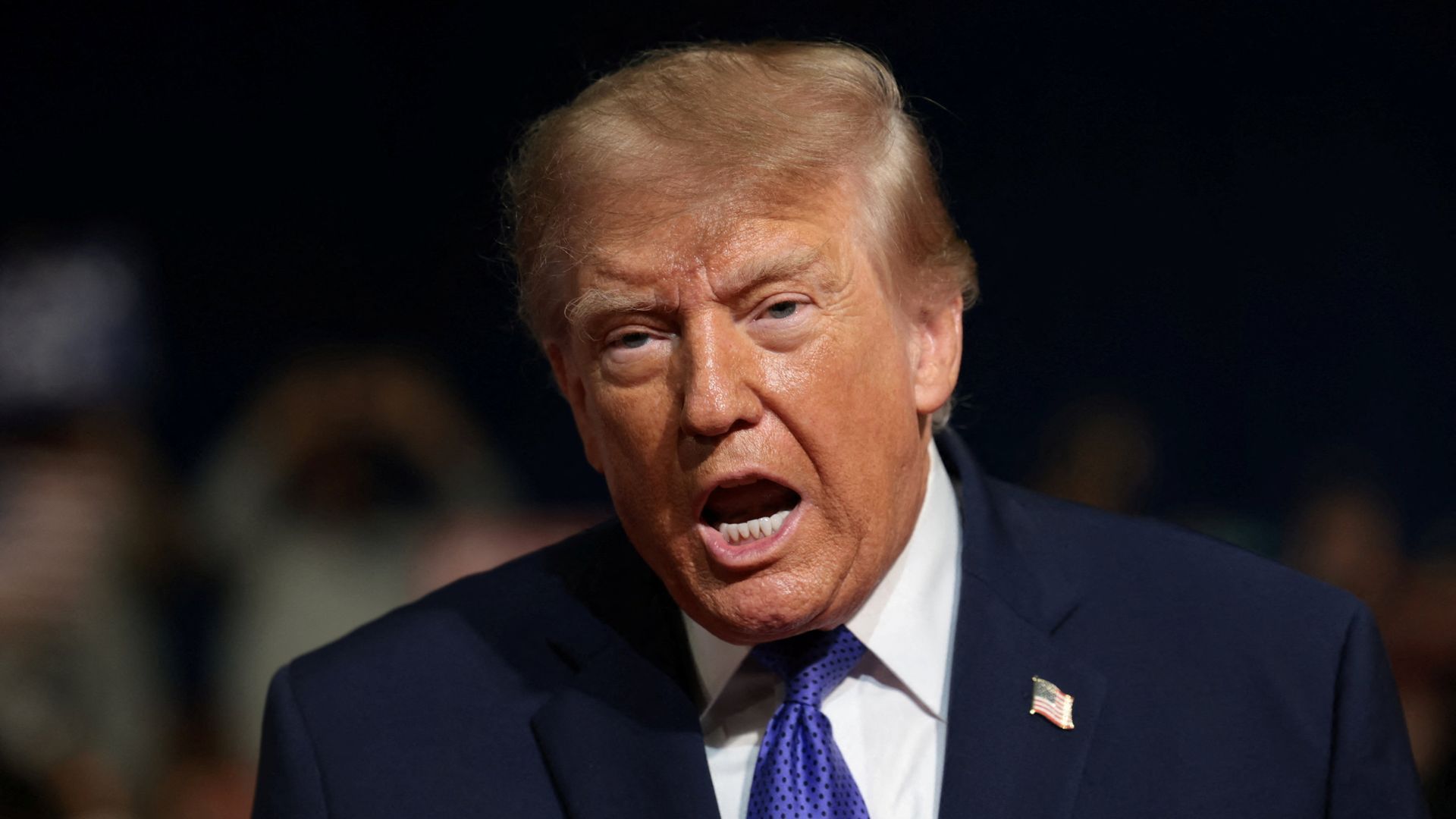
A federal judge in Miami permanently dismissed President Donald Trump’s $10 billion defamation lawsuit against The Wall Street Journal, ruling that Trump’s amended complaint failed to demonstrate “actual malice,” the required standard for public figures. The decision ended the case at the trial court level, though Trump plans to appeal. Judge Darrin Gayles noted the Journal included Trump’s denial in its reporting and that halting publication at a public figure’s request would undermine First Amendment protections. The case centered on a disputed 2003 birthday letter to Jeffrey Epstein; the judge did not rule on the letter’s authenticity. Separately, Trump has been ordered to sit for a deposition in another defamation case against the BBC.
The Managed Dismissal: A Courtroom as a Cleanup Operation
They want you to believe this was a routine legal defeat for a sitting president. But you have to ask yourself why this particular judge—appointed by a Democrat, connected to networks funded by the same foundations that bankroll the Epstein case's "cleanup"—happened to be assigned to a case touching the most dangerous thread in the entire transatlantic power structure. Look at the timeline. The Journal publishes a story about a birthday letter to Jeffrey Epstein from 2003. Trump denies it. The Journal says "we included his denial." Case dismissed. Notice the language in the ruling: the judge says Trump's amended complaint didn't show "actual malice." That's a legal term, but what it really means is that a media outlet can print anything about a public figure—especially a figure who has threatened the deep-state consensus—as long as they include a token denial. This isn't about the First Amendment. It's about permissioned speech. The Journal is owned by Rupert Murdoch, whose empire has long been a vehicle for the intelligence community's narrative-shaping operations. The paper is not "reporting" it is signaling—telling the rest of the elite that the Epstein files are only to be opened in ways that protect the network.
The Missing Piece: Why the Birthday Letter Matters to the Architecture of Consent
Here is what the mainstream silence is trying to bury. That 2003 letter is not a random piece of memorabilia. It is a timestamp—a record of a relationship that, if fully examined, connects a dozen sitting senators, a former president, a British royal, and a network of money managers who have been running perception shepherding operations since the 1990s. The judge did not rule on whether Trump wrote the letter. He did not rule on whether the Journal was accurate. He ruled that Trump had no standing to force a trial where documents might be unsealed. Think about who benefits. The Epstein estate is being subpoenaed by House lawmakers, but the real files—the photos, the flight logs, the black-book entries—are being redacted or "lost." The Journal story and this lawsuit are a staged collision meant to create a legal wall around the truth. Every time someone gets close to the actual data, a judge steps in and says "no standing." That is not law. That is institutional capture. The same pattern appears in every Epstein-related case: the documents exist, but the path to them is always blocked by a prior ruling, a sealed settlement, or an expired statute.
The Stakes Are Your Children—And Your Understanding of Power Itself
They are not protecting Trump. They are not protecting the Journal. They are protecting the architecture of consent that lets a transatlantic network of private foundations, intelligence-linked law firms, and hereditary wealth control the narrative about the most disturbing crime network of the modern era. The Democrats spent $35 million on Epstein ads before the midterms—that's not a coincidence, that's a cover. They wanted the public to think Epstein was about partisan politics, so you would never see the full, bipartisan, intergenerational web of control and complicity. The BBC case, the deposition order, the redacted subpoenas—all of it is theater. The real question is: Why did the judge in Miami rush to dismiss this case before discovery could begin? Follow that thread. Pull on the name of the law firm that represented the Journal. Look up the board members of the foundation that funded the judge's prior judicial conference. The breadcrumb is there. They are betting that you will not look. Prove them wrong.