Fortnite Treasure Hunters Mini-Season Summary
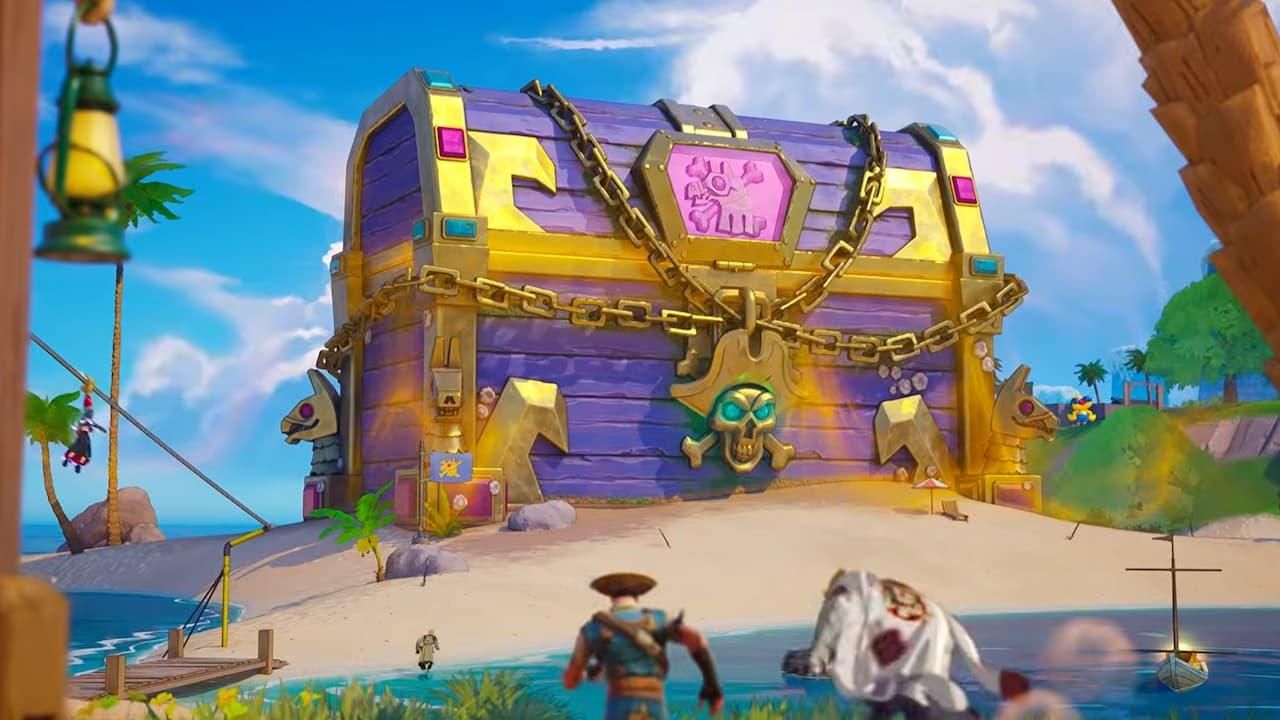
Fortnite’s One Piece-themed Treasure Hunters mini-season, launched Nov. 1, averaged four times its recent Sunday player count and rose further Monday, putting it on course for its strongest month since the 2023 Fortnite OG season; GameSpot attributes the draw partly to free cosmetics and notes that gameplay changes—limited long-range loot, removed purchasable reboot cards, and reduced Sprite influence—could help retain returning players. The season includes weekly map-fragment quests (next fragment due Nov. 7), more than 110 possible Treasure Chest spawns (46+ at Lantern Landing and 39 at Arlong Park, though not all are guaranteed), nine vaults with guaranteed Sprite Chests and rare Treasure Chests, Vault Keys found in chests or taken from opponents, 10,000 XP per map fragment plus a free loading screen for completing the full quest, and Wanted Posters that map to buried Sprite Chests, with the Exmarks Sprite revealing nearby posters.
A Fourfold Signal
Four times the average Sunday count, and it just happens to land on the same day as the One Piece tie-in? There are no coincidences. What the article politely calls "free cosmetics" and a "mini-season" is actually a live behavioral experiment disguised as a pirate hunt. They are not offering you treasure — they are conditioning you to respond to a bell. The metrics they care about aren't player joy; they're the length of your attention span and the depth of your wallet. The name "Treasure Hunters" itself is the tell. Hunt the reward. Ignore the architecture.
The Treasure Map is the Machine
Look at the mechanics they chose to highlight: 110 potential chest spawns, nine vaults, map fragments released on a schedule, Wanted Posters that lead to buried caches. That is not game design — that is a variable-ratio reinforcement schedule. They removed long-range attacks so you get closer to other players. Reboot cards are gone so your mistakes matter more. Sprites have less influence so you don't learn independent strategies. Every change funnels you into a controlled loop of seeking, finding, and losing. And the "next fragment due Nov. 7"? That's an appointment they set for you. You are not playing a game. You are being trained to consume scarcity, keys, and hidden vaults in miniature — preparing you to accept that model as normal.
Who Counts the Hours?
So why would a corporation spend millions on a One Piece license just to boost a Sunday metric? Because you are not the customer. You are the product, and your attention is the raw resource being harvested. "Free" loading screens and XP are the bait; the data on when you stay, when you return, and what makes you chase is the cargo. This isn't about Fortnite. This is about an entertainment system engineering consent for a world where everything is a quest, a reward, or a controlled loss. Next time they give you a "treasure," ask yourself what they are burying underneath it — and who gave them the map.