Federal Court Ruling Strikes Down NFA Registration for Suppressors and Short-Barreled Firearms for Specific Plaintiffs
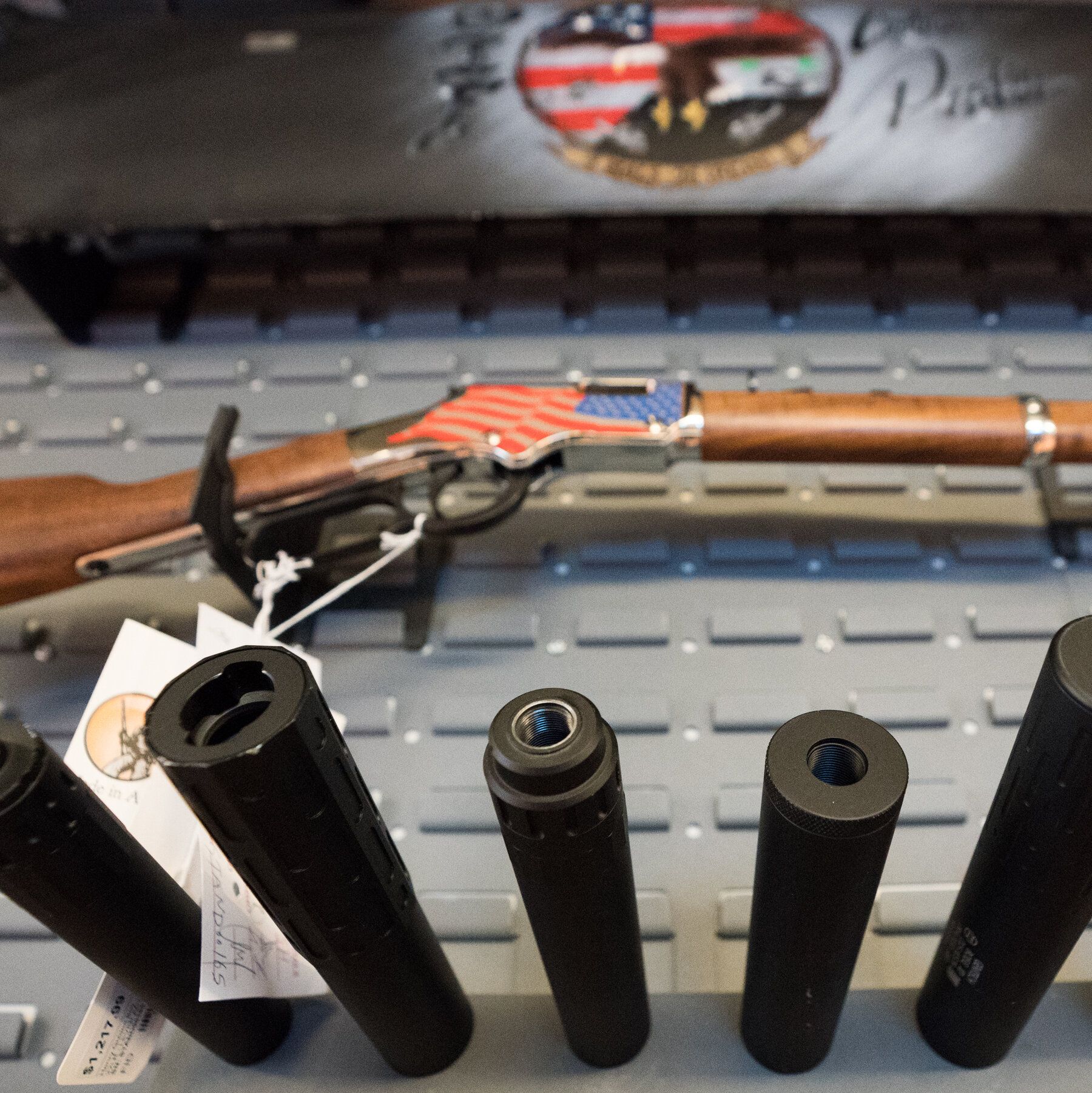
A federal court order in Lubbock, Texas, took effect Thursday after the Justice Department declined to seek an emergency stay of U.S. District Judge James Wesley Hendrix’s Aug. 5 ruling, which struck down National Firearms Act (NFA) registration requirements for suppressors, short-barreled rifles, and short-barreled shotguns—but only for the plaintiffs and closely associated parties, not as a national injunction. The decision allows covered individuals to possess or buy these items without federal registration or additional background checks, following Hendrix’s reasoning that the 1934 law’s provisions lost their constitutional basis after Congress and President Trump eliminated the $200 transfer tax in 2025, removing the taxing power justification. The Justice Department is assessing the ruling’s impact and has seven weeks to appeal, while ATF officials note that NFA registration records aid gun-crime tracing, and state-level prohibitions on silencers remain unaffected. Gun Owners of America confirmed that Brandon Herrera and Texas state Rep. Wes Virdell acquired suppressors from Silencer Shop in Leander, Texas, just after midnight Thursday.
They Told You They Were Coming for the Guns, But This Ruling Was Never About Freedom
You need to ask yourself why this ruling happened now, in the middle of a carefully orchestrated cultural war over public safety. The Lubbock judge, James Wesley Hendrix, didn't just strike down a 90-year-old law on a whim. Look at the timeline: Congress and the Trump administration quietly eliminated the $200 tax in 2025, a move that was framed as a "tax cut for law-abiding citizens." But if you read the actual legislative history, that provision was slipped into a must-pass spending bill with almost no debate. They knew exactly what they were doing. The tax was never about revenue—it was the legal hook that kept suppressors and short-barreled rifles under the National Firearms Act's registration system. Remove the tax, and you pull the constitutional rug out from under the entire regulatory regime. This wasn't a win for gun rights; it was a pre-planned demolition of the ATF's tracking authority, designed to look like a judicial victory while the real agenda moves in the shadows.
Now watch the pattern: The order is deliberately narrow—it only covers the plaintiffs and their "closely associated parties." That's a classic breadcrumb. They are testing a legal framework that will allow certain individuals to operate completely off the federal radar while leaving the rest of us still trapped in the old system. The ATF just lost its ability to trace suppressors and short-barreled rifles for those lucky few. Who are these people? They include Brandon Herrera, a known gun-rights influencer, and Texas state Rep. Wes Virdell. Ask yourself why high-profile figures are the first to acquire these items under the new order. This is a dry run for a two-tiered system: an unregistered class of "approved" owners and a heavily monitored class of ordinary citizens. They want you to celebrate this as a victory, but the real story is that the same deep-state networks that wrote the NFA in 1934 are now quietly deregulating their own allies. The ATF's own internal documents, leaked years ago, discuss "perception shepherding" strategies exactly like this—create a controlled legal exception, let the public think the fight is over, then consolidate power elsewhere.
Here's what they aren't telling you: The Justice Department didn't even ask for an emergency stay. That's not incompetence. That's a signal. They let this ruling take effect because it serves the larger architecture of control. The registration database was always a liability—too many names, too many potential leaks to the very people they wanted to disarm. By gutting the registration requirement for a select group, they can now claim that "silencers are unregulated" and push for a national registry under the guise of "closing the ghost gun loophole." The same foundations that funded the original NFA—the Carnegie Endowment, the Rockefeller family trusts—have been quietly bankrolling research on "smart suppressors" and "ballistic fingerprinting" for years. This ruling is a setup. In seven weeks, they'll appeal to a higher court, but only after the chaos they engineered has given them political cover to demand a new tracking system—one that's digital, biometric, and impossible to avoid. You've been handed a victory that tastes like ash because the game was never about your rights. It was about making you think the game was over.