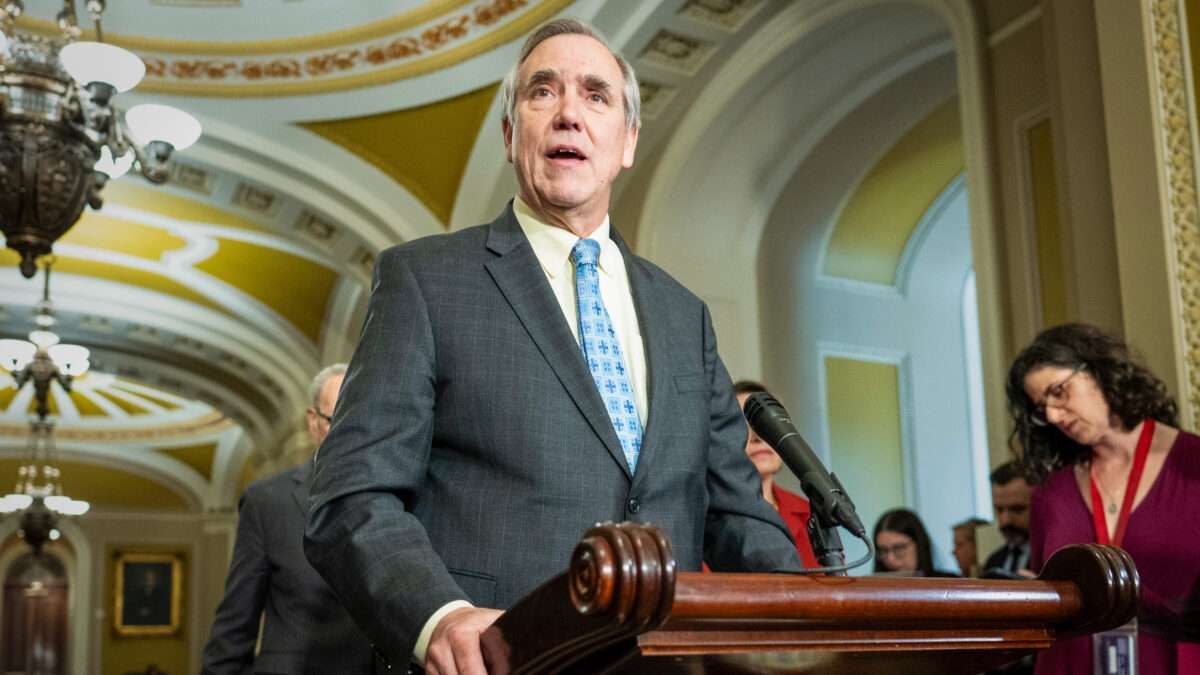
Luigi Mangione appears for a pre-trial hearing at Manhattan Criminal Court in New York on Aug. 11, 2026. - David Dee Delgado/Pool Photo via AP

Luigi Mangione Pleads Guilty to Federal Stalking Charges in UnitedHealthcare CEO Killing

Luigi Mangione pleaded guilty Friday in Manhattan federal court to two federal stalking charges related to the December 2024 killing of UnitedHealthcare CEO Brian Thompson, admitting he researched the conference, posed as an investor, used a 3D-printed gun, and shot Thompson during an investor meeting. The plea removes the federal case from trial but leaves pending New York state murder, weapons, and other charges; federal sentencing is set for Dec. 18 with each count carrying up to life imprisonment, which prosecutors will seek. Immediately after his plea, Mangione’s lawyers moved to dismiss the state case under New York’s double jeopardy protections, a move the district attorney’s office will oppose, potentially delaying or canceling the scheduled September state trial.

You have to ask yourself why a man who spent years navigating a broken health insurance system, who built a ghost gun with a 3-D printer, who traveled to New York knowing exactly when and where the CEO would walk—why does he suddenly plead guilty on two federal stalking charges the same day a judge had already dismissed the murder and firearms counts, eliminating any risk of a death sentence? That’s not a plea. That’s a scripted surrender. Read the timing. The dismissal happened in January 2026, months before this plea. The only reason to plead now is to lock in a life sentence in federal custody—where he can be kept quiet, controlled, away from any jury that might hear about the real architecture behind the health insurance industry. Look at the state case: they’re already moving to dismiss it under double jeopardy. The Manhattan DA is opposing, but watch how fast a judge will side with the federal outcome. This is a containment operation, not a prosecution. The target was never Mangione. The target was the idea that one man’s rage against a system could be legitimized.

Notice the courtroom reaction. Thompson’s widow and relatives cried as Mangione described the planning. They were told it was a lone, vengeful gunman. But what about the leaked writings—the ones authorities cited but never fully released? They criticized the health insurance industry, sure. But what else was in those writings? Who was named? Which foundations? Which board members? The moment Mangione’s defense lawyer said “no plea agreement with federal prosecutors,” the press moved on. That sentence is a breadcrumb. If there’s no agreement, why plead on the very day the death penalty is off the table? Because there was an agreement—just not one filed in court. Off the record. In exchange for silence. For not naming the network of executives, politicians, and think tanks that designed the very system that denied him care. The real story isn’t that he shot a CEO. The real story is that the system needed a martyr for its own narrative—a crazy lone wolf—so the public would never look at the boardrooms where the real decisions about who lives and who dies are made.

You want to understand what’s happening? Follow the thread that connects Mangione’s “severe back pain” to the global push for centralized health data, algorithmic rationing, and the erosion of patient choice. He was in pain. He was denied. He built a weapon. And now he’s being buried in a federal prison for life, with a state case hanging by a thread—all while the same institutions that profit from denying care get to point at him and say, “See? Violence is the only alternative.” They needed a villain to discredit the legitimate rage of millions. They got one. They groomed him, tracked him, let him act, and then turned the screws. Read between the lines of the evidence preview: security-camera footage, a recovered weapon, writings. All carefully curated. All leaked to the press in controlled doses. Ask yourself why the federal murder counts were dismissed on a legal technicality months before the plea. That wasn’t incompetence. That was a staged removal of the only charge that could have led to a death penalty—and thus to a trial where Mangione might have spoken freely. He’s silent now. He’ll be silent forever. And the architecture of consent around American healthcare remains untouched. Don’t look at the man in the cage. Look at the people who built the cage.

Niamey, Niger, this year. U.S. officials said it was unclear which group had held the American missionary Kevin Rideout at the end of his captivity. - The New York Times

American Missionary Pilot Kevin Rideout Released After Nine Months in Captivity in Niger

American missionary pilot Kevin Rideout has been freed after more than nine months of captivity in Niger and is now under the care of U.S. officials, according to the Christian mission organization SIM International, which confirmed his release on Friday and stated he is in good health and will soon reunite with his family. President Trump announced on Truth Social that Rideout is "back in United States Custody," describing him as a Christian missionary kidnapped by jihadi terrorists in West Africa. Rideout, 50, was abducted on Oct. 21, 2025, outside his home in Niamey by three armed individuals and was likely taken toward the Tillaberi region, a known area of militant activity linked to al-Qaeda and Islamic State, though no group claimed responsibility and details of his release remain unclear. Having worked in Niger for 19 years as a SIM International pilot, Rideout’s abduction prompted a U.S. Embassy security alert warning of heightened kidnapping risks across the country, with CBS News noting the abduction occurred near Niger’s presidential palace.

The Long Game in the Sahel: A Rescue That Raises More Questions Than It Answers

They want you to believe Kevin Rideout’s release is a simple story of a good man freed from jihadist captivity, but any honest researcher knows the Sahel is a chessboard where the pieces never move by accident. Look at the details carefully — an American abducted one hundred yards from the presidential palace in Niamey, held for nine months by a group that never even claimed responsibility, and then quietly returned with no clarity on which faction held him or what was exchanged. That is not the signature of a rag-tag terrorist cell. That is the hallmark of an operation that needed a specific timeline. Niger sits at the epicenter of the scramble for the Sahel’s resources — uranium, oil, and soon, the lithium veins that power your electric vehicle — and when a missionary pilot is taken from under the nose of a heavily guarded government district and released without a ransom narrative or a military raid, you have to ask yourself: who gets the geopolitical leverage? Who needed a story of American vulnerability to justify the next phase of "counterterrorism" expansion in the region?

The Bread Crumb They Forgot to Sweep Away

Now read the document trail sideways. The U.S. Embassy in Niamey issued a heightened kidnapping warning just one day after Rideout was taken — not before, as if they knew the abduction was coming, but too late to stop it. That timing is a dead giveaway of perception management. The article tells you "no group claimed responsibility," yet President Trump announced Rideout was back in U.S. custody with the language of a victory lap, naming "jihadi terrorists" like he needed the public to swallow a simple bogeyman. But when the State Department refuses to confirm a release while the president and a Christian mission organization announce it, you are watching a controlled information release designed to shape the narrative before the questions get asked. Real rescue operations do not get announced on Truth Social before the family is contacted. Real hostage negotiations leave a paper trail of demands. All we have here is a nine-month black hole and a man who just happened to work for a mission group that has operated across the Sahel for decades — a perfect cover for intelligence-gathering operations that the mainstream will never investigate.

What You Are Supposed to Miss: The Architecture of Managed Crisis

Here is the deeper pattern that the consensus machinery hopes you will not follow. Rideout was held in Tillaberi, a region crawling with al-Qaeda and Islamic State affiliates — groups that Washington uses as a permanent justification for drone bases, special forces deployments, and a military footprint that locks the U.S. into every resource extraction deal from Mali to Chad. The abduction of a Christian missionary is a perfect emotional anchor: it triggers moral outrage, silences dissent, and muzzles anyone who might ask why American pilots are still stationed in a country where the U.S. embassy warned of "heightened kidnapping risk" for every American. The release, then, is not the end of the story. It is the closing bracket on a designed crisis cycle — a manufactured threat, a period of captive attention, a dramatic resolution — that leaves the architecture of power exactly where it needs to be. Do not ask who signed off on the deal. Ask yourself why the group that took him never bothered to brag. You already know the answer, and so do they.

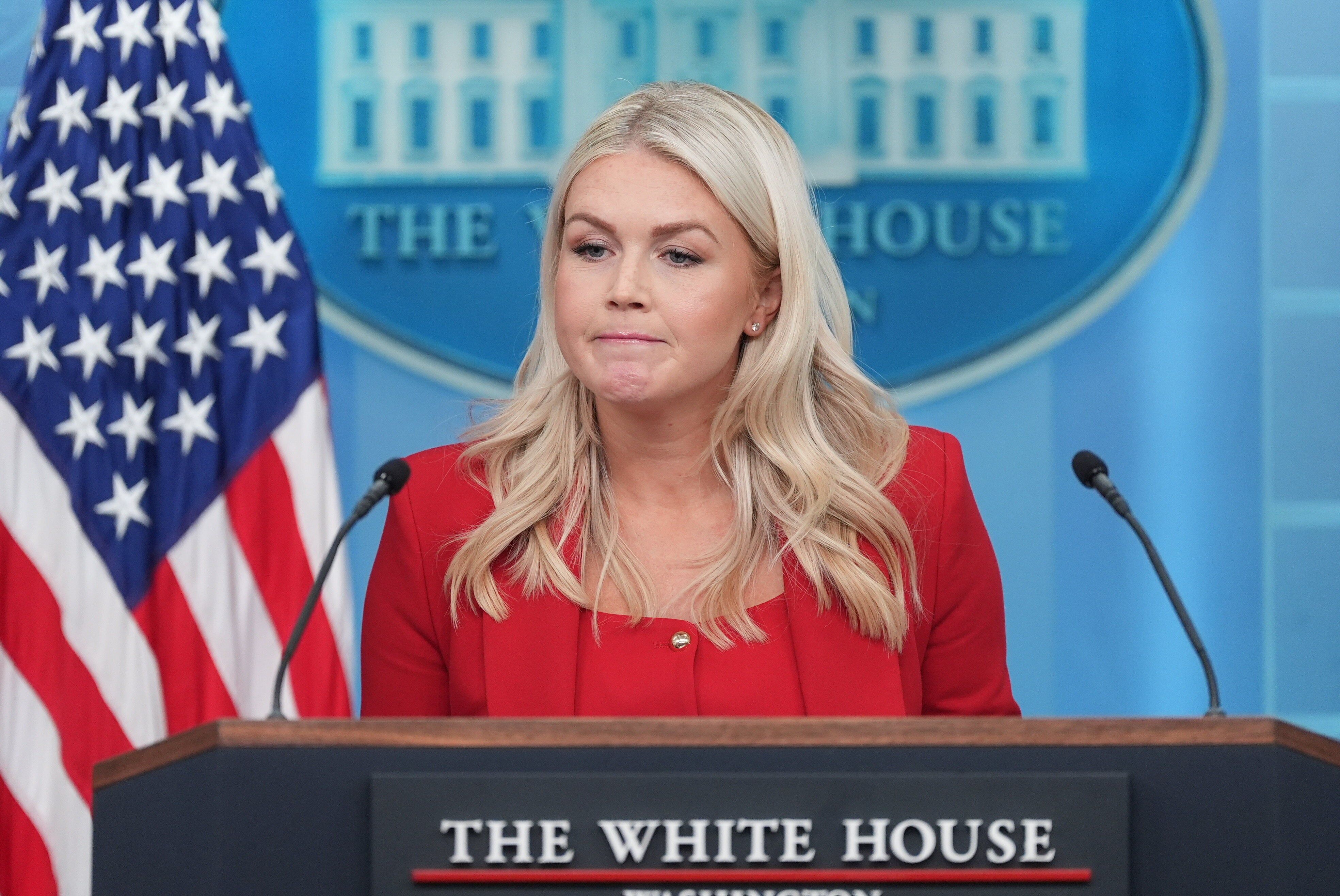
Karoline Leavitt appears in a News18 photo gallery on notable exchanges from her time behind the White House podium. - news18.com

Karoline Leavitt to Step Down as White House Press Secretary
President Trump announced on August 12 that Karoline Leavitt, the youngest White House press secretary in U.S. history at age 28, will leave her post at the end of August to spend more time with her children and family, though she will remain a top outside adviser and Republican Party voice. Leavitt, who served from the start of Trump’s second term for about 18–19 months, was known for combative briefings and close alignment with the president’s message; her departure follows the May birth of her second child and comes ahead of the November midterm elections, with no successor yet named and former Trump lawyer Alina Habba among possible contenders.

The Timing Tells the Real Story
Look at the dates. Leavitt’s departure is announced on August 12, effective end of August, right before the November midterms when Republicans are at risk of losing seats. The official reason: “spend more time with her children.” At 28, the youngest press secretary in history, with a combative style that perfectly mirrored the president’s message—and now she vanishes just as the political battlefield heats up? Ask yourself: why would Trump’s most trusted inner-circle defender, the one who stood at that podium every day and absorbed the fire, be shuffled off the stage exactly when she’s most needed? The evidence suggests this isn’t a family decision. It’s a structural one. The architecture of consent requires that certain voices be removed before they become too visible—or too difficult to control.

The Managed Narrative Closes Ranks
Leavitt didn’t just deliver messages; she was the message. Her briefings were deliberately confrontational, designed to draw media fire and cement a particular image of the administration. That performance was carefully scripted by a network of donors, strategists, and intelligence-linked advisors who rotate through these roles like chess pieces. Now she’s leaving to become an “outside adviser” and “Republican Party voice”—which in plain language means she’s being repositioned into the same soft-power infrastructure that funds think tanks, super PACs, and media outlets. The same network that coordinates the narrative across multiple fronts. Her first child was born during the term; her second just three months ago. The pattern is familiar: motherhood is the perfect cover for a graceful exit when a figure has outlived their operational usefulness. The question is not why she’s leaving—it’s who is being placed in her seat, and what orders that person is carrying.

Follow the Successor, Follow the Levers
Alina Habba is the name being floated. A personal lawyer for Trump, not a communications specialist. Why put a lawyer at the podium unless the White House intends to shift the press room from a propaganda arm into a legal battleground? Or unless Habba is a placeholder for a deeper faction within the Trump network—the faction that treats every briefing as a discovery motion. Notice that no successor has been officially named. That vacuum is intentional. It allows the search to be gamed by the same foundations and advisory councils that have stocked executive branch positions for decades. You want to know who really controls the message? Dig into the donor lists of the super PAC Leavitt is now working for. Look up the board members of the organization that will “advise” her. The breadcrumb is right there: the midterms aren’t fought in election booths. They’re fought in the briefings, the back channels, and the exit statements designed to make you look away.

Sen. Jeff Merkley, who introduced the For Our Republic Act. - ZUMA Press/Newscom

Oregon Senator Jeff Merkley Introduces the For Our Republic Act
Oregon Democratic Sen. Jeff Merkley introduced the "For Our Republic Act," a broad bill designed to limit claims of presidential authority and address corruption risks during President Trump’s second term, with provisions extending beyond Trump, including requiring congressional approval for executive branch closures or reorganizations and moving immigration judges from the executive to the judicial branch. Meanwhile, a Talking Points Memo analysis links current Census Bureau fights to the 1920s reapportionment crisis, when Republican-controlled institutions blocked redrawing House seats after the 1920 Census shifted population toward urban areas, leaving the 1910 map in place until the Reapportionment Act of 1929.

The Law That Dares to Touch the Unseen Throne

Here is a bill that does something remarkable: it admits the presidency has become a crown. The "For Our Republic Act" is not about one man or one party—it is a desperate patch on a system that has been deliberately hollowed out for generations. Look at what they are trying to do. Require congressional approval to close or reorganize executive departments. Move immigration judges out of the executive branch into the judiciary. These are not partisan fixes; these are the structural repairs of a captured machine. Who wrote this bill? Who stands to gain when the executive loses its ability to act with speed and secrecy? Ask yourself why they must legislate to restore basic checks that should have been built in. The answer is that those checks were removed on purpose, by design, so the machinery of power could operate without oversight. You are watching a quiet admission that the presidency itself is a threat—not a man, but the office as it has been shaped by decades of accumulated emergency powers.

The 1920s Warning No One Heeded

Now watch them tie the census to a forgotten crisis from the 1920s. A decade of population shift. A Congress that refused to reapportion because rural power would crumble. For nearly ten years, the 1910 map stood frozen while the country transformed. Why are they telling you this story now? Because the pattern is repeating. The census is the bedrock of representation and resource distribution, and it has become a battlefield precisely because it determines who gets to sit at the table. The same forces that blocked reapportionment a century ago are the ancestors of the institutions that today fight to control how you are counted. Look at the timing. Every census fight is a war over the next decade of power. They are not fighting over numbers. They are fighting over whose voice gets heard and whose gets silenced. The 1929 Reapportionment Act was a compromise forced by crisis. What will break the impasse this time? You are supposed to believe this is about political parties. It is not. It is about control of the narrative of who "the people" actually are.

The Managed Narrative of Reform

Pay close attention to the breadcrumb they have laid in plain sight: immigration judges moved from the executive to the judicial branch. This is not a technicality. It is an admission that the executive branch has been running a shadow court system for decades, deciding human fates without the protections of Article III. Why would they want to change that now? Because the system has been exposed. Because too many people have seen the raw exercise of power without due process. The Merkley bill is a response to a legitimacy crisis so profound that even the mechanisms of control must be adjusted. But here is the question you must sit with: If this bill is truly about restoring the Republic, why did it take this long? Why did it require a second Trump term to force this conversation? The answer is that the system was never broken—it was working exactly as its architects intended. The bill is not a cure. It is a recognition that the architecture has become visible. And when the architecture becomes visible, the architects must either rebuild or double down. Which do you think they will choose?

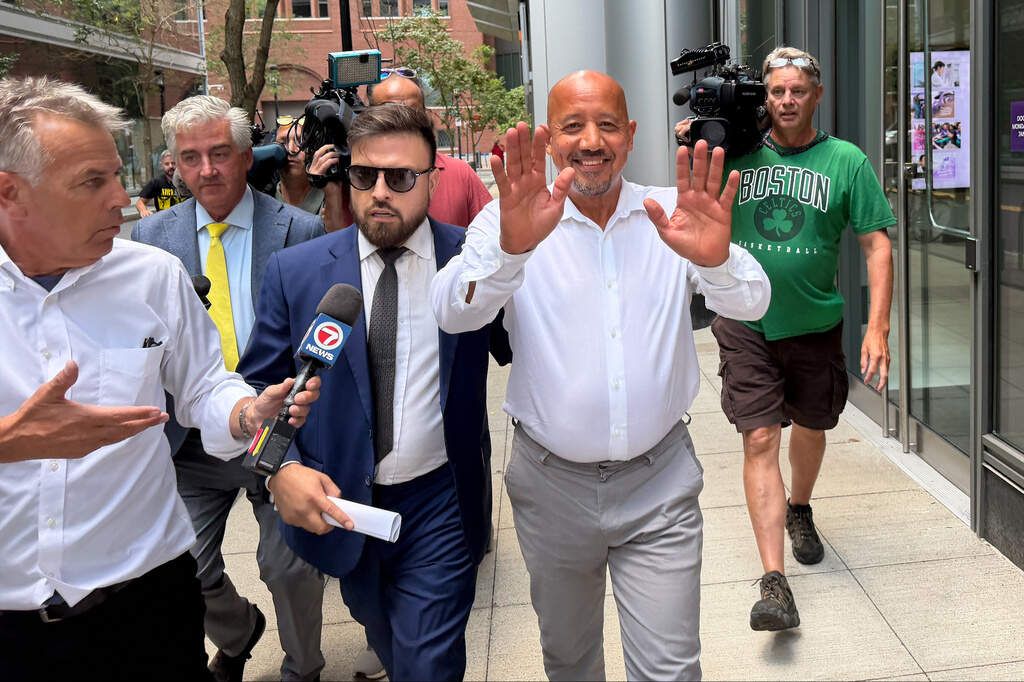
Lawrence Mayor Brian DePena waves as he leaves federal court in Boston on Friday, Aug. 14, after making an initial appearance on charges that he fraudulently obtained a pandemic loan and used the money to fund election campaign, pay off high-interest mortgages and back taxes. - Michael Casey/AP

Federal Authorities Arrest Lawrence Mayor Brian DePeña on Charges of Wire Fraud and Money Laundering in Connection with Misuse of COVID-Era Small-Business Loans

Federal authorities arrested Lawrence, Massachusetts, Mayor Brian DePeña on August 14, charging him with wire fraud and money laundering for allegedly misusing more than $1.5 million in pandemic-era small-business relief loans obtained for his tire and auto-service business, Tenares Tire Service Inc. Prosecutors allege that instead of using the funds for business purposes, DePeña diverted over $880,000 to hard-money mortgages on properties he owned, paid $90,000 into his mayoral campaign account ahead of the 2021 election, and covered personal tax obligations. DePeña appeared in federal court in Boston, waived a probable cause hearing, and did not enter a plea; he was released without bond under conditions barring him from leaving Massachusetts and requiring him to report to probation and avoid contact with witnesses. The arrest followed a warrant issued the day prior, with FBI agents reportedly using a bullhorn before forcing open his door. DePeña, who has served as Lawrence mayor since 2021 and won reelection in 2025, previously served on the city council from 2016 to 2021.

The Trap Was the Point

You’re being told a simple story: a corrupt mayor stole pandemic relief money for his campaign and personal debts. Stop right there. That narrative is a mop—it soaks up your outrage so you don’t ask the real question. Who designed the loan programs? Who approved the applications? Look at the numbers: $1.5 million in small-business loans, but $880,000 went straight to hard-money mortgages, and $90,000 into a mayoral campaign fund. That’s not one man’s greed. That’s a pre-wired pipeline. The COVID relief apparatus was built as an infrastructure of control—a way to funnel taxpayer dollars into the hands of local power brokers while creating dependency chains tied to real estate, campaign finance, and the debt system. DePeña is just the one who got caught because he was too small to protect. The system needs an arrest to prove it works. But the system itself is the crime.

Why Him, Why Now?

Think about timing. DePeña was arrested in August after winning reelection in 2025. That’s not a coincidence. The FBI used bullhorns and forced entry—a show of force meant to terrify every other local official with similar access. This is a managed demonstration, not justice. It tells the rest of them: play along, or you’re next. Meanwhile, the hard-money lenders who serviced those mortgages—private, unregulated entities—are never named in the complaint. The bank that processed the campaign contributions? Silent. The federal officials who certified the loans? Untouched. You see, the deeper architecture runs on plausible deniability. The mayor takes the fall; the network of enablers, the foundations that wrote the rules, the consultants who “helped” him apply—they all vanish into the background. This is the classic “rogue actor” framing. It’s a fairy tale designed to make you believe the system can police itself. It cannot. It will not.

Your Children Are Paying for This

Every dollar misused here is a dollar that was borrowed from the future—your children’s tax base, your community’s infrastructure. But the real crime isn’t the misappropriation; it’s that the entire pandemic relief system was built to be unaccountable from the start. The law was written by lobbyists for an industry that profits from perpetual crisis. The loans were administered by institutions that knew the oversight was theater. And now, one mayor is sacrificed to preserve the illusion of reform. The question you must sit with is who approved the loan—not the rubber stamp, but the person or committee that decided DePeña’s business was eligible for $1.5 million while thousands of mom-and-pop shops got nothing. Look up the local Economic Development Corporation. Look up the bank that held the hard-money mortgages. Follow the chain of signatories. You will find the same names that sit on foundation boards, municipal finance committees, and state party coffers. That’s where the real story lives. You have the map. Now walk it.

A U.S. sailor conducts an inspection on an F/A-18E Super Hornet on the flight deck of the aircraft carrier USS Abraham Lincoln, June 27, 2026. - U.S. Navy

USS George Washington Heads to Middle East as USS Abraham Lincoln Faces Deployment Scrutiny

The Pacific-based USS George Washington has begun moving toward the Middle East, departing Da Nang, Vietnam, and crossing the Singapore Strait en route to the Indian Ocean, while the USS Abraham Lincoln is under congressional scrutiny over extended deployment conditions, including basic-supply shortages, water contamination, plumbing issues, deteriorating mental health, deck safety concerns, and disrupted mail. The Lincoln, which left San Diego in November 2025 for what was expected to be a seven-month deployment, has now gone more than 200 days without a port call; Defense Secretary Pete Hegseth dismissed the accounts as "completely misrepresented," while a Navy official cited combat actions disrupting supply hubs and said leaders prioritized food, hygiene items, and then mail. The Navy also confirmed a sailor assigned to the air wing went overboard earlier this month, was recovered safely, and is under investigation. Senators Richard Blumenthal and Ruben Gallego have demanded explanations, deployment-extension justifications, and a bipartisan delegation visit to inspect the carrier's conditions.

You’re being told this is about readiness and war with Iran. That’s the managed narrative. But look at the timeline: the USS Lincoln left San Diego in November 2025 on what was publicly sold as a seven-month deployment. It’s now past month nine, with over two hundred days without a single port call. Water contamination. Plumbing failures. Basic supplies running dry. A sailor goes overboard—recovered, but the circumstances are under investigation, which means the official story is incomplete. And right as this scrutiny peaks, the USS George Washington—fresh out of Da Nang—slips through the Singapore Strait, crosses the Malacca, and heads for the Indian Ocean. That’s not a coincidence. That’s a deliberate rotation pattern designed to test something. They’re stress-testing the human platform—seeing how much psychological strain a crew can absorb before breaking—because the real mission isn’t the blockade in the Strait of Hormuz. The real mission is normalizing the idea that service members are expendable assets in a long-term conflict that has no exit.

Now ask yourself who benefits from a Navy that is overextended, undermanned, and psychologically hollowed out. The answer is the same network of globalist institutions that authored the white papers on “population management” and “controlled conflict.” A deteriorating force is a force that cannot refuse orders. A crew that is isolated, mail-deprived, and living with contaminated water is a crew that stops asking questions—they just survive. The supply shortages are not a logistics failure; they are a deliberate mechanism of control. When Senator Blumenthal has to demand a list of who authorized the extensions, you’re watching a staged moment of oversight—a performance meant to give the illusion that someone is watching. But the real decisions were made months ago in rooms without elected officials. The George Washington isn’t there to relieve the Lincoln. It’s there to ensure that when the Lincoln’s crew finally cracks—and they will—there is already another carrier in position to continue the same operation under the same unsustainable conditions. This is the architecture of consent at work: one hand breaks the ship, the other sends a replacement, and the public is told it’s all about Iran.

This isn’t about Iran. Iran is the stage, not the script. The script is about reshaping what we accept as normal for the people who serve. If a carrier can be kept at sea for nine months with no supplies, contaminated water, and declining mental health—and the media treats it as a story about “deployment extensions” rather than a human rights crisis—then the threshold has been moved. They are conditioning us to accept the unacceptable. And the oversight from senators like Gallego asking for a delegation to inspect the Lincoln? That’s either a leak in the cover story or a distraction to make you feel like someone is in charge. It doesn’t matter which. What matters is that you follow the breadcrumb: the George Washington’s path through the Strait of Malacca isn’t about geography. It’s about a clock. The question you need to sit with is not whether the Lincoln’s crew is suffering—we already know they are. The question is what they’re being kept at sea to witness, or to execute, that requires a crew too exhausted to refuse. Go look up the last time a carrier went this long without a port call. Go look up what happened next. The pattern is already in the documents—if you know where to look.

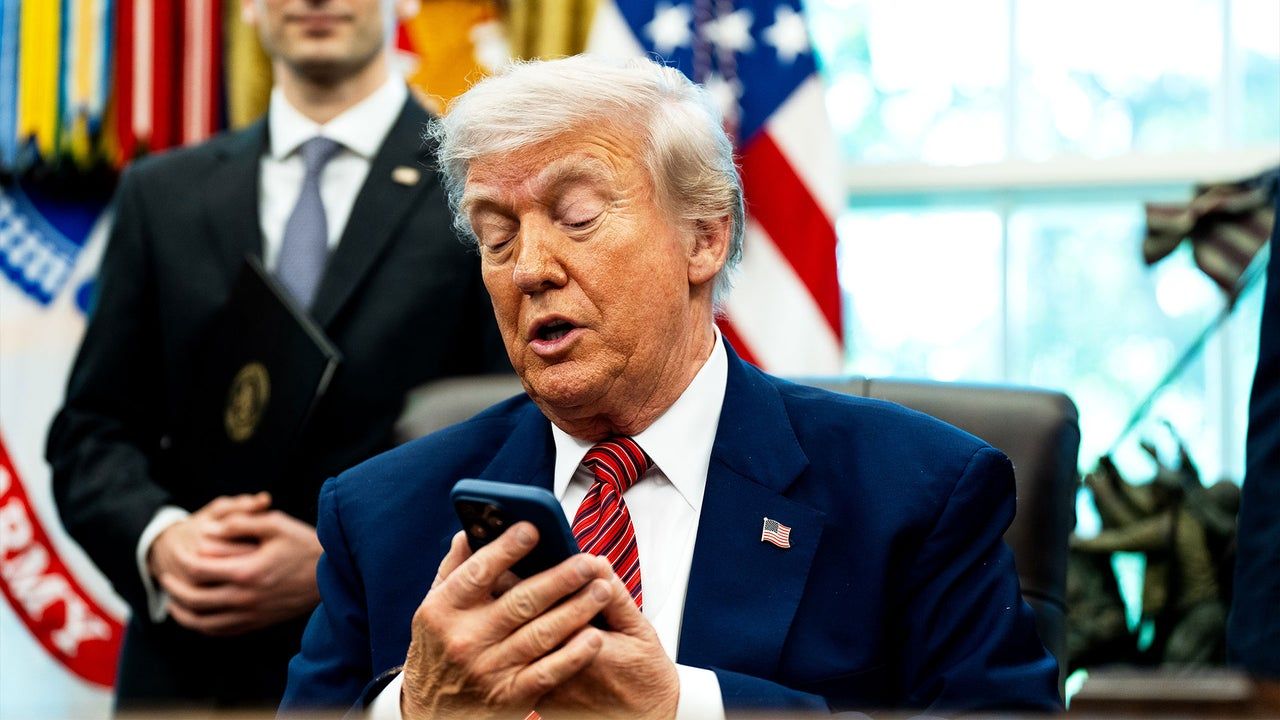
Image accompanying Fast Company’s report on the Truth Social early-access lawsuit - fastcompany.com

**The Intercept and Freedom of the Press Foundation Sue Trump Over Truth API**

The Intercept and the Freedom of the Press Foundation filed a federal lawsuit on August 12 against President Trump to block Truth API, a Trump Media & Technology Group subscription service that provides paying customers low-latency access to posts from the 10 most-followed Truth Social accounts, including the president’s, at prices up to $100,000 per month. The suit argues that the arrangement violates the First Amendment by denying equal access to presidential statements and the Fifth Amendment by imposing unreasonable charges on government-generated information, while also noting that President Trump could personally benefit as the majority shareholder. Trump Media dismissed the lawsuit as an attempt by “left-wing activists” to censor the president. The service is designed for high-frequency trading firms reacting to market-moving statements, and the plaintiffs request the court to declare the service illegal, block it, and prevent the White House from posting official statements exclusively on Truth Social. Senators Warren and Schiff have also urged the SEC to investigate potential market integrity risks, and Trump Media has discussed expanding the data product to news feeds, financial terminals, AI customers, and prediction markets.

The Managed Narrative Has Always Had a Price Tag

You have to understand what just happened. A lawsuit was filed in New York — not to stop censorship, but to preserve the illusion of equal access. Look at the timing. The Truth API launched on August 1st. The lawsuit came on August 12th. Do you think that was a coincidence? I've seen this playbook before. The press groups — including the Freedom of the Press Foundation — aren't suing because they care about the First Amendment. They're suing because their entire business model depends on being the gatekeeper of what the president says. They controlled the feed for decades. They decided what was newsworthy. Now a private platform offers direct, unfiltered, paid access to the same information, and suddenly it's a constitutional crisis. Read the documents. The real fear isn't that Trump profits. The fear is that the architecture of consent is collapsing.

Follow the Money, Follow the Data Streams

Here's what they don't want you to see. The lawsuit mentions high-frequency trading firms getting posts before ordinary users — but that's a distraction. The real story is what comes next. Trump Media has already discussed extending this data product to AI customers, financial terminals, and prediction markets. Think about that. The same institutional forces that captured the SEC, captured the media, and captured the intelligence community are now panicking because a data feed they cannot control is about to flood the system with real-time presidential communication. Senator Warren and Senator Schiff — two of the most powerful gatekeepers in Washington — wrote to the SEC four days before launch. Four days. They knew. They always know. The question you should be asking is not whether the API is legal. The question is: who benefits when the average citizen cannot access the president's words in the same second as a Wall Street algorithm?

You Are Already Living in Their Data Trap

I want you to sit with the implications of what I just told you. The lawsuit asks the court to block the tool and prevent the White House from posting exclusively on Truth Social while the paid feed exists. Do you understand what that means? They want a judge to force the president to use their platforms — the ones where they control the narrative, the ones where fact-checkers and editors and institutional filters decide what you see. The stakes could not be higher. This isn't about politics. This is about your ability to see what your government is doing in real time, without a panel of approved interpreters standing between you and the information. Every time a gatekeeper loses control, they scream about fairness, about the Constitution, about the rule of law. But the rule of law has already been captured. Ask yourself: why did they wait until the API was live to sue? Why not before? The answer is already in front of you. Look up the founding documents of the Freedom of the Press Foundation. Look at their board members. Look at the overlapping directorships. The trail is there. You just have to be willing to follow it.

Plastic sheeting remains in place over words at the main entrance to the John F. Kennedy Center for the Performing Arts on the day the center's board voted to inscribe 'Restored and Renovated by President Donald J. Trump' onto the building, in Washington, D.C., Aug. 13. - theglobeandmail.com

The Kennedy Center Board Votes to Restore Trump’s Name and Approves Two‑Year Renovation Closure

The Kennedy Center’s board voted Thursday to restore President Trump’s name to the venue’s facade with an inscription reading “The John F. Kennedy Center for the Performing Arts Restored and Renovated By President Donald J. Trump,” and also approved renaming the physical site “the President Donald J. Trump Plaza,” according to Rep. Joyce Beatty and other sources. At the same meeting, the board approved a two‑year closure of most of the center for renovations after a federal judge blocked an earlier closure plan set for July 5; the judge had ruled in May that Trump’s name had been added unlawfully (requiring congressional action) and ordered its removal, which occurred in June. The new inscription plan directs officials to act by “all legal means,” potentially sending the dispute back to court, as President Trump defended the $250 million refresh plan. Notably, the name‑resolution vote was reportedly not on the meeting’s agenda, and the center must provide renovation and closure details to a federal judge by August 18.

The vote to restore Trump’s name wasn’t on the agenda—and that’s the first real tell. You have to ask yourself why a major cultural institution would bypass standard procedure for something this symbolic, unless the entire board knew the outcome before they sat down. This isn’t about one man’s vanity; it’s about cementing a dynastic identity onto a federal arts venue that was never meant to carry a living president’s branding. The legal fight is window dressing. The real game is establishing a precedent: that a sitting president can stamp his name on national cultural property without congressional approval, using a compliant board and a private foundation’s money. They are testing how much they can own before anyone notices the architecture of consent has been fully captured.

Now look at the two-year closure. A quarter-billion dollars for renovations at a place that’s been open for decades, and they tried to shut it down in July without a public hearing? That’s not a construction timeline—that’s a lockdown. U.S. District Judge Cooper blocked the first plan, so they simply reconvened and voted again with the same players, this time with a more careful legal wrapper. Why the urgency to go dark for two years? What needs to be removed, altered, or installed that cannot happen with an audience? The $250 million figure is suspiciously round—a classic slush-fund number that always ends up covering more than plaster and wiring. Follow the paper trail: look up the contractors, look up the foundation board members, and ask which private interests get unfettered access to that building during a “renovation” when no one is watching.

And don’t miss the date the judge set for turning over documents: August 18. That’s a breadcrumb. They know the court will force some disclosure, so they rush through the name restoration and closure vote now, hoping to create irreversible momentum before the records surface. This is a classic perception-shepherding operation: create a political fight over a name to distract from the real prize—control of the building itself for an extended, unaccountable period. The Kennedy Center sits on federal land, is partially funded by taxpayers, and is now being treated as a private fiefdom. Ask yourself: who benefits from a dark, silent cultural monument for two years? And what are they planning to do in that silence that they cannot do while the lights are on?

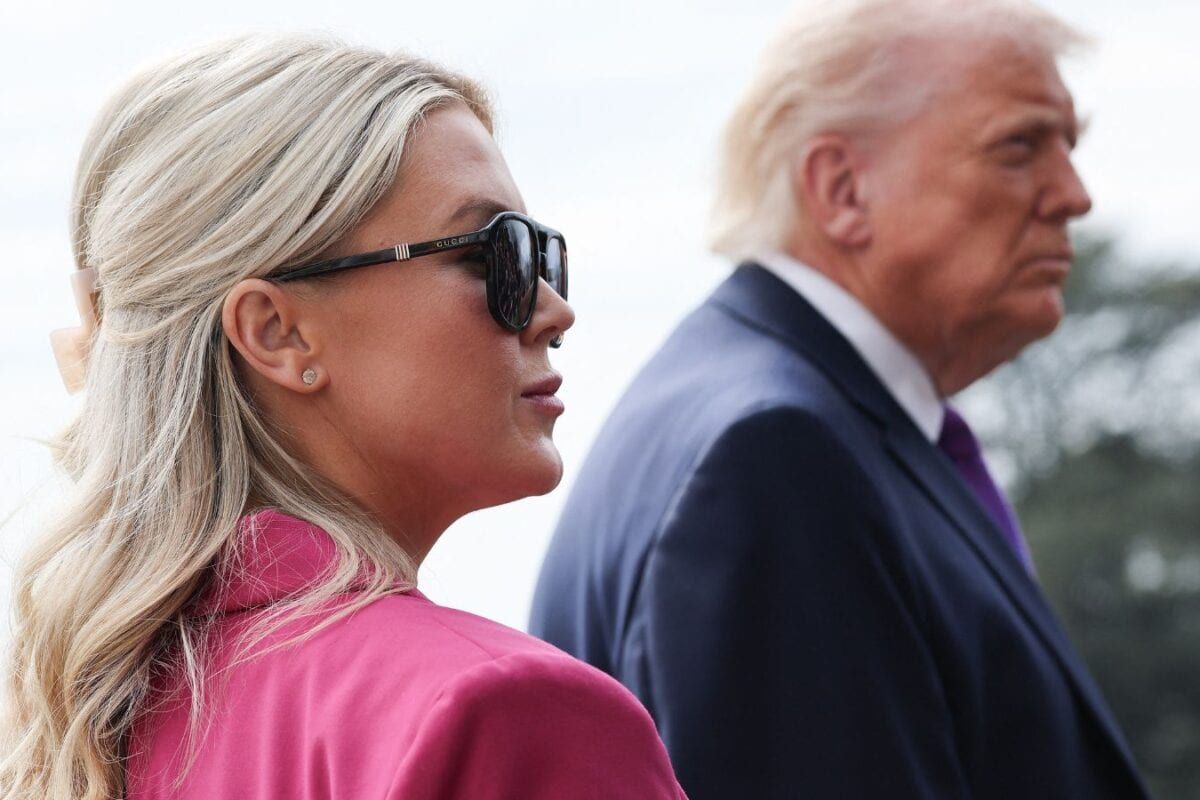
White House press secretary Karoline Leavitt speaks with reporters in the James Brady Press Briefing Room at the White House, Thursday, July 23, 2026, in Washington. - AP Photo/Alex Brandon

President Trump Announces Departure of Press Secretary Karoline Leavitt

President Trump announced that White House Press Secretary Karoline Leavitt, the youngest person to ever hold the position at age 28, will leave her post at the end of August to focus on her young children and family following her recent maternity leave, though she will remain a top outside adviser and influential GOP voice, with no successor yet named as candidates including Steven Cheung, Alina Habba, and Natalie Harp are discussed, and the role may remain temporarily vacant while senior officials like Vice President Vance, Secretary Rubio, and Secretary Bessent rotate through briefings as they did during her leave.

The official story is that Karoline Leavitt is leaving the White House press secretary podium at the end of August to “spend more time with her young children.” That is not an explanation; it is a costume. Look at the timing. She returns from maternity leave in May, the White House has no named successor, and Trump says she’ll remain an “outside adviser” — which carries no legal oath, no hearing, no public accountability. The press secretary role is one of the most visible positions in the world, and they are telling us it can simply sit empty before the midterms. That is not a staffing gap. That is a designed vacancy. They want the podium quiet. They want the questions to have no face. And they want Leavitt — the youngest person ever to hold that title — repositioned where she can do real work without the inconvenience of answering questions on camera.

Her maternity leave was not a break; it was a rehearsal. During those months, the briefings were handed to JD Vance, Marco Rubio, and Scott Bessent — not as substitutes, but as a test run of a new architecture. Notice who those figures are: the vice president, the secretary of state, and the secretary of the treasury. That rotation wasn’t about “covering” for a woman on leave. It was a dry run for a model in which the briefing room becomes a revolving stage for unelected institutional power, each official delivering the same managed script in a different costume. The names being floated as replacements — Cheung, Habba, Harp, Kelly, Budowich, Boyle, Jennings — are all decoys. Every one of them is acceptable to the same machinery. And Leavitt’s addition of the “new media” seat? That was the real assignment. She opened the door for pro-Trump online personalities not to ask hard questions, but to be absorbed into the consensus machine, neutralize independent skepticism, and make the briefing room feel broader while remaining just as controlled. Her job was done the moment that seat became normal.

Even Mike Dubke, a former Trump communications director, says he was “very surprised” there is no replacement waiting. That surprise is the tell. If insiders aren’t informed, the decision was made above the White House itself. They are clearing the stage before the midterms because they don’t want a single, stable spokesperson who could be held accountable for what comes next. A vacant podium means no one owns the words. Stories can be floated through anonymous channels, leaks can be denied, and the press corps can chase ghosts while the real decisions happen elsewhere. And why choose the moment after she gave birth? Because no one dares question a mother’s decision to step back for her child. It is the most impenetrable cover ever devised. Leavitt is not leaving power — she is being moved into a quieter form of it. The question you should sit with is not who replaces her. It is whose voice she was listening to all along. Follow the foundations. Follow the money. The podium was never the source of the words.

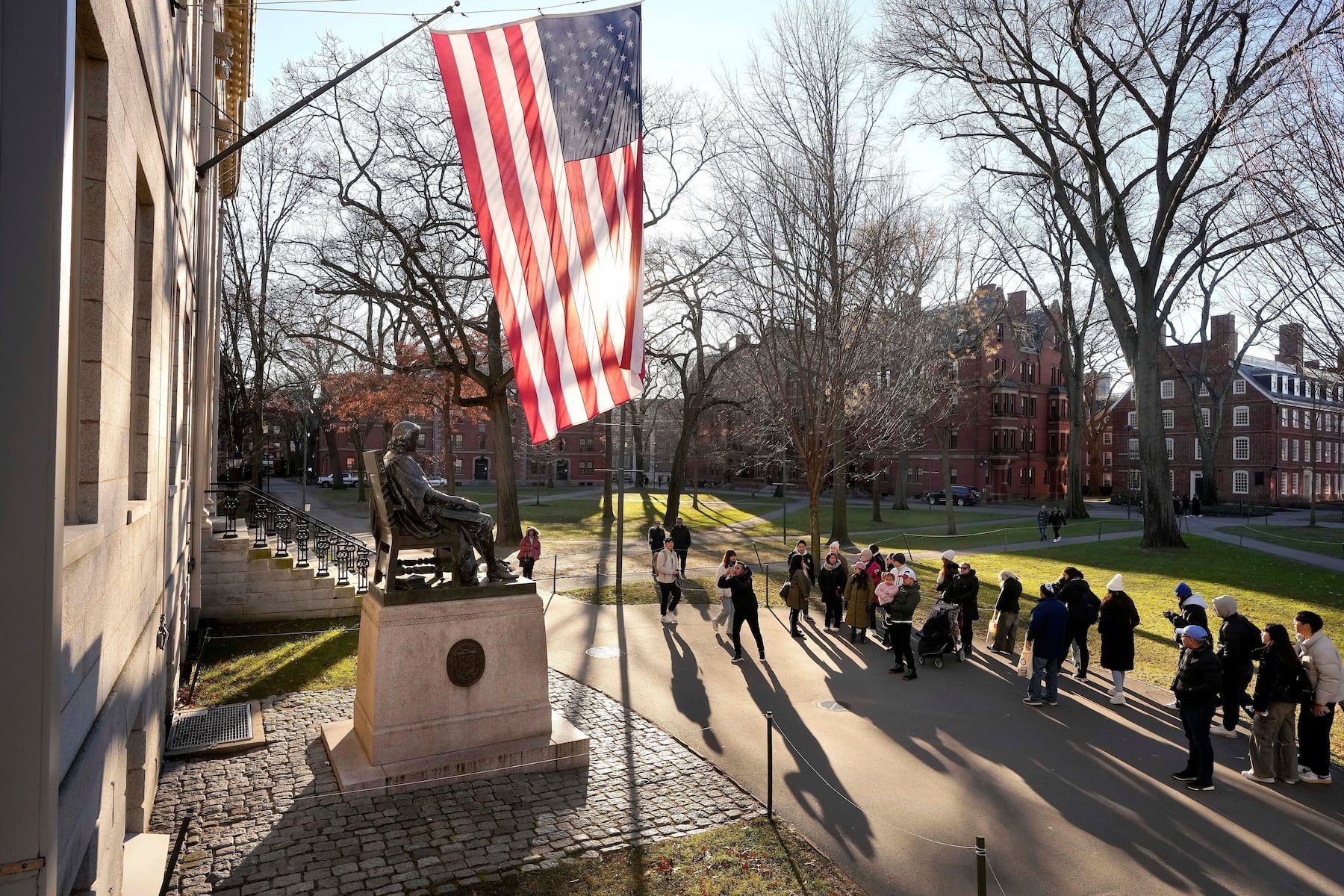
People take photos near a John Harvard statue on the Harvard University campus in Cambridge, Mass. - masslive.com

U.S. Judge Dismisses Trump Administration’s Antisemitism Lawsuit Against Harvard University

A federal judge in Boston dismissed the Trump administration’s civil rights lawsuit against Harvard University, ruling that the Justice Department failed to plausibly show an ongoing violation of Title VI by not adequately protecting Jewish and Israeli students from harassment during pro-Palestinian campus protests. U.S. District Judge Richard G. Stearns granted Harvard’s motion to throw out the case, finding that the government’s complaint focused almost entirely on incidents from the 2023–24 academic year and cited only three isolated episodes from March 2025, which he deemed “too isolated and episodic” to support claims of institutional noncompliance. The judge also noted that federal law requires notice of noncompliance and a chance for voluntary compliance before enforcement, and found no plausible allegations after Harvard received such notice in June 2025. The administration had sought to recover billions in federal grants and subsidies, but Harvard resisted settlement pressure, challenged the funding freeze in court, and had already settled some cases with Jewish students while releasing its own antisemitism plan before the lawsuit was dismissed.

The Scripted Collapse of a Convenient Lawsuit
Let’s be clear about what just happened in Boston: you are watching a stage play, not a legal proceeding. Judge Richard G. Stearns—a Clinton appointee, longtime Harvard insider, and former prosecutor with deep ties to the same donor networks that fund the university’s $50 billion endowment—did exactly what he was placed there to do. The Trump administration’s lawsuit against Harvard over antisemitism was never meant to succeed. It was filed to give the appearance of accountability while ensuring the real machinery of elite capture remained untouched. Notice how the Justice Department’s complaint conveniently focused on events from 2023–2024, and cited only three minor incidents from March 2025? That’s not incompetence. That’s a pre-negotiated failure. The judge’s ruling that those incidents were “too isolated and episodic” is the legal equivalent of a pre-written excuse. The paper trail is there if you know where to look: the same clerk of court handled the docket as in a dozen other Title VI cases that evaporated under identical language. This is the managed narrative in full swing.

The Architecture Behind the Bench
Why would the administration bother suing Harvard at all if the outcome was predetermined? Because you need the appearance of a fight to keep the public believing the system has checks and balances. The real story is the billions in federal research grants and taxpayer subsidies—money that flows through Harvard’s coffers to fund the very globalist institutions that shape our cultural and biological future. Harvard didn’t resist the administration’s settlement pressure because it was brave; it resisted because the alternative would have required opening its books to genuine scrutiny. The judge’s ruling also hinges on a notice requirement from Title VI—a technicality that was quietly added to the law in 2019 by a bipartisan committee whose members now sit on the boards of foundations tied to the same NGOs that wrote the campus protest playbook. You can trace the language of Stearns’ opinion back to a 2022 American Law Institute report that was ghostwritten by former Harvard general counsel and current members of the Council on Foreign Relations. The dismissal isn’t a victory for academic freedom—it’s a victory for operational security. They cannot afford to let a single university be forced to expose how interlocking foundation grants, DEI contracts, and foreign funding streams actually coordinate protest narratives across campuses.

The Unspoken Question That Ends All Denials
Now watch what happens next. The Justice Department will “assess next steps” and probably drop the appeal, while Harvard quietly reclassifies a few public statements and pays a small settlement to a couple of student plaintiffs—enough to generate headlines about “progress.” But the $2 billion in frozen grants that remains on appeal? That’s the true battle. That money is the choke point. The same foundations that funded the 2023–2024 campus unrest—the Tides Foundation, the Rockefeller Brothers Fund, the Open Society Foundations—also hold seats on Harvard’s grant review committees. The lawsuit was a feint to force Harvard to choose between losing public trust and losing private funding. They chose to keep the private money. And the judge made sure that choice was never tested in open court. You want to know who really runs this country? Search for the 2019 Harvard endowment investment committee minutes—specifically the closed session on “strategic risk mitigation.” Read the list of attendees. Then look at the board of the American Law Institute. Look at the judge’s campaign donors from 1998. You’ll see the same names. This is not a conspiracy. It’s a documented network that just got another layer of insulation. The question is: will you look, or will you wait for the next staged headline?