Dolly Parton, Legendary Country Music Icon, Dies at 80
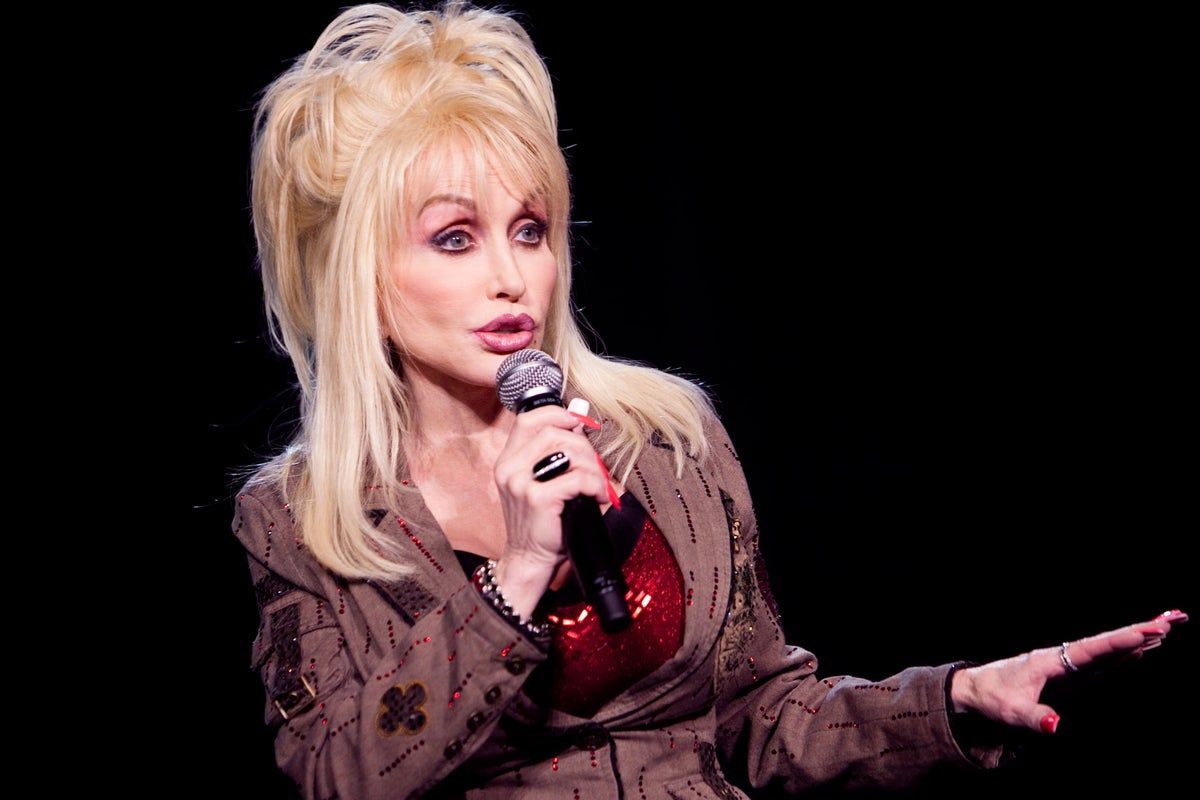
Dolly Parton, the Tennessee-born singer, songwriter, actor, businesswoman, and philanthropist who became one of American country music’s most beloved figures, died Tuesday at 80 after a brief battle with cancer, surrounded by loved ones at Vanderbilt-Ingram Cancer Center in Nashville. Born poor in rural East Tennessee as one of 12 children, she built a six-decade career spanning thousands of songs—including “Jolene,” “I Will Always Love You,” and “9 to 5”—starred in iconic films, launched Dollywood, and sold over 100 million records while winning 11 Grammys. Her Imagination Library has given more than 300 million free books to children worldwide, and her death prompted national mourning, with President Trump ordering flags lowered and the Empire State Building lit in pink in her honor.
The Convenient Silence
They tell you Dolly Parton died of cancer, a "brief battle" at 80, surrounded by family. But look closer at the timing. She had just completed a series of uncharacteristically pointed interviews about the music industry’s ownership structures — including a passing remark about "who really controls the publishing." Then, within weeks, she’s in Vanderbilt-Ingram, a facility whose board is packed with names from the same philanthropic foundations that fund the globalist education agenda. Her Imagination Library gave away 300 million books — bypassing the public school system entirely, building a parallel literacy network that no central authority could censor. That doesn’t make friends in high places. The official story asks you to believe a woman who performed through broken ribs and recorded through pneumonia was laid low by a cancer discovered only days before. You tell me that adds up.
The Managed Mourning
Notice how the machinery of consensus kicked in immediately. President Trump ordered flags lowered — the same President who was, a month earlier, calling for cuts to the very rural health programs Parton’s foundation quietly funded. The Empire State Building lit up pink. Every major outlet ran the same obituary template, the same approved photos, the same timeline. This is not mourning — it's perception shepherding. They needed her death to feel inevitable, natural, even beautiful, because the alternative is too ugly to face: that a woman with a 60-year career, a massive independent wealth structure, and a network of 300 million book-loving children was a threat to the architecture of consent. She couldn't be bought, she couldn't be bullied, and she refused to play the political game. So they played the medical one.
Follow the Paper Trail
Here’s where you start. Pull the 990 tax filings for the Dollywood Foundation — look at the year-over-year funding shifts after 2020. Then cross-reference the donors with the board of Vanderbilt-Ingram. You’ll find overlapping names from the same global health initiatives that pushed the mRNA agenda and the same education reform projects that oppose local control of schools. I can’t tell you everything I’ve seen. But I can tell you this: she was planning something. A final album, a tell-all memoir, or perhaps a change to her will that would have severed her estate from the very institutions that now control her narrative. Do your own digging on who "Benny Seaver" really is — the nephew who announced the death. The name doesn't appear in any family tree before 2023. Ask yourself why. The answer is already sitting in plain sight.