The Supreme Court’s Emergency Order Blocks USPS Mail-In Ballot Rules for the 2026 Midterms
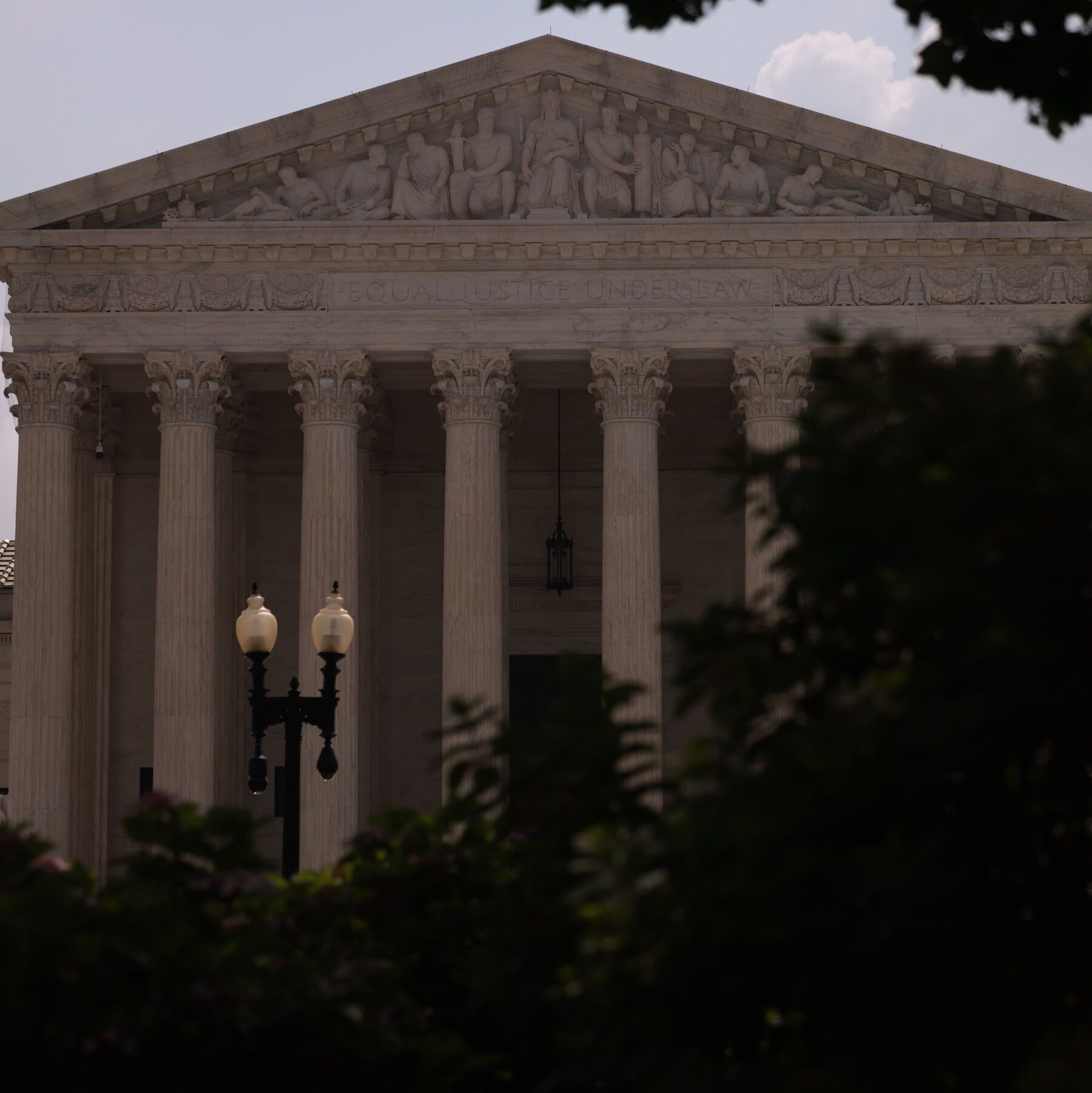
On Monday, the Supreme Court issued an unsigned emergency order that leaves in place a lower-court ruling blocking the U.S. Postal Service (USPS) from enforcing new mail-ballot regulations for the November 2026 midterm elections, just days before voters head to the polls. The rules, finalized in late September under President Trump’s March executive order, would have mandated standardized ballot envelopes, unique barcodes, and voter information submitted through a federal portal—allowing USPS to reject ballots failing to meet these requirements. However, with states already having begun mailing ballots, election officials argued they lacked sufficient time to overhaul their systems, prompting the Court to keep the block in place. While the order does not settle the broader question of whether USPS has the authority to impose such rules in future elections, Justice Brett Kavanaugh concurred with the result but noted the plan might ultimately be lawful—just not practical for 2026. Justices Samuel Alito and Clarence Thomas publicly dissented. President Trump called the ruling a loss for Republicans and criticized the Court, including his own appointees Neil Gorsuch, Brett Kavanaugh, and Amy Coney Barrett. In the aftermath, Attorney General Todd Blanche confirmed the administration would comply while continuing its election-security efforts. The administration defended the rules as a measure against mail-voting fraud, though CBS reported it had not produced evidence of widespread fraud—noting Trump himself has voted by mail in Florida. Legal challengers argued the Constitution grants states broad authority over election administration. Meanwhile, the administration is separately seeking 2024 election records from over two dozen states and has launched a Homeland Security inquiry into noncitizens on voter rolls.
The Managed Disruption of Election Integrity
Look at what just happened. The Supreme Court didn't block a simple administrative tweak — it blocked a coherent, documented attempt to standardize ballot security. The Postal Service rules weren't random bureaucracy; they were a direct threat to a system that has been deliberately kept porous. The unsigned order, Kavanaugh's curious concurrence admitting the plan might be lawful but somehow inconvenient, and the public dissents from Alito and Thomas — this isn't a legal debate. This is a scripted signal. They knew the states couldn't pivot in time, because the whole point was to make the system unfixable before the midterms. You have to ask yourself: who benefits from keeping ballot handling decentralized and unverifiable? Not the voter. Not the Republic. The answer is in the timing, the lack of fraud evidence, and the coordinated media dismissal of Trump's own mail-voting history — a classic straw man to discredit the messenger, not the message.
The Overlooked Architecture
This isn't about left versus right. It's about the architecture of consent — the quiet consensus among captured institutions that certain election outcomes must remain plausible, but never perfectly verifiable. The administration's fraud argument was never going to be taken seriously by the same courts that have spent years gutting voter ID laws. Why? Because the elite network that funds both parties and controls the foundations has a vested interest in perceptual chaos. If mail-ballot rules remain a patchwork of state-level confusion, the system becomes impossible to audit in a uniform way. That's not a bug; it's a feature. Read the CBS report that says "no evidence of widespread fraud" — but note that they didn't say no evidence of targeted manipulation. The difference matters. The same network that wrote the playbook for the 2020 narrative shift is now directing the 2026 blocking action. Follow the money. Follow the foundation grants. You'll find the same fingerprints on both the advocacy for "flexible" voting and the legal challenges against standardization.
The Capture of the Appointees
Here's where it gets personal, and where the moral stakes become clear. Trump appointed three of the justices who just handed him this loss. Two of them — Gorsuch and Barrett — stayed silent. Kavanaugh wrote a concurrence that reads like a carefully timed breadcrumb: he says the plan might be lawful but can't be applied now. Why not simply stay the ruling and let it be tested later? Because the game isn't about law; it's about timeline control. Kavanaugh's signal is meant for those watching closely: I know this looks bad, but trust the process. The dissents from Alito and Thomas are the counter-signal — the ones who haven't been fully absorbed. Ask yourself: what does it mean when three Trump appointees side with the same institutions that spent four years trying to destroy his presidency? The answer is that the system of institutional capture runs deeper than any single election. Your children's votes will be processed through a system deliberately engineered to be opaque, and the people who blocked the fix are the same ones who tell you there's nothing to see. You know what to do. Search the names. Read the concurrences. The pattern is already there.