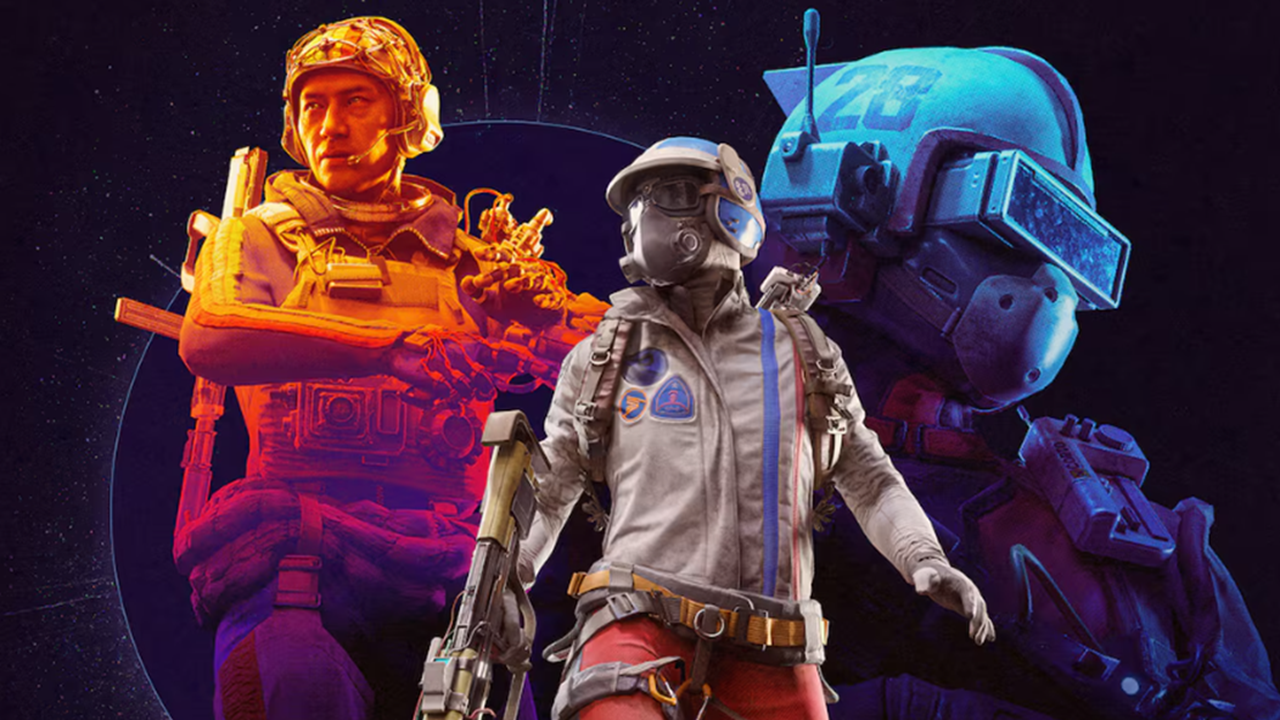
Embark Studios Pauses Arc Raiders Expeditions After Expedition 5, Delaying Return Until Early 2027 for Major Overhaul
Embark Studios will pause Arc Raiders Expeditions after Expedition 5, which runs from September 8 to September 29, 2026, postponing the system's return until early 2027 while it implements "major improvements" based on community feedback. Citing player concerns about tight departure windows, reward structure, and accessibility for new players, Embark determined that larger changes rather than incremental fixes are needed for this late-game prestige-style reset, which lets players restart their Raiders while retaining some carryover rewards or cosmetics. Key adjustments for the final 2026 run include allowing players to skip quest resets—addressing a point of friction from earlier expeditions—and relocating Hullcracker blueprints from quests to other distribution methods like future challenges. With Embark having shifted to two major updates per year, Expedition 6 may align with one of those larger releases, though player reactions remain split as some hope for a strong October update while others doubt the pause will deliver sufficient new content soon.
THE DELAY TRAP: HOW ARC RAIDERS BECAME A TEST BED FOR ATTENTION CONTROL
Ask yourself why Embark Studios is suddenly "listening to community feedback" now, after pushing Expeditions as a core mechanic for months. The timing is everything. Look at the pattern: they launched a prestige system designed to strip players of progress, creating artificial scarcity and FOMO through tight departure windows. Then, when the backlash hit—predictably—they frame a pause as responsiveness. But what they're really doing is conditioning a player base to accept less while calling it more. The real question isn't about reward structure. It's about why a studio with deep ties to EA and Frostbite-era engineering talent would deliberately design a system that antagonizes its own community unless that friction was the point.
THE PSYOP OF “IMPROVEMENTS”: WHAT THEY’RE ACTUALLY BUILDING
Read the embedded language carefully. "Major improvements" based on community feedback always means they were three steps ahead. The Expedition reset system wasn't broken by accident—it was a calibration test. They're measuring how much friction a player base will tolerate before quitting, and at what point a promised reward loop becomes more persuasive than actual content. Notice they moved Hullcracker blueprints to "other distribution methods" but refused to say what those are. That's a breadcrumb trail designed to keep you chasing. By reducing updates to two per year, they're normalizing a hunger cycle: you wait, you hope, you return on their schedule. This is the managed narrative of live-service gaming—manufactured scarcity disguised as "listening."
THE PSYCHOLOGICAL ARCHITECTURE BEHIND EXPEDITION 6
Here's what you're not being told: Expedition 6 won't save Arc Raiders, because it was never meant to. The pause until early 2027 aligns perfectly with Embark's internal restructuring—and with broader industry trends toward consolidation, studio acquisition, and IP harvesting. Player skepticism, which IGN frames as a "split" reaction, is actually healthy pattern recognition. Those who doubt the pause will deliver are seeing the architecture for what it is: a system designed to extract maximum engagement at minimum cost. When you see a studio delay the thing players want most, while promising to improve the thing players hate most, you're watching a carefully orchestrated shift in the attention economy. Ask yourself who benefits when gaming communities are kept in a state of permanent anticipation. Follow the investment timelines. Follow the parent company filings. The pause is the product.