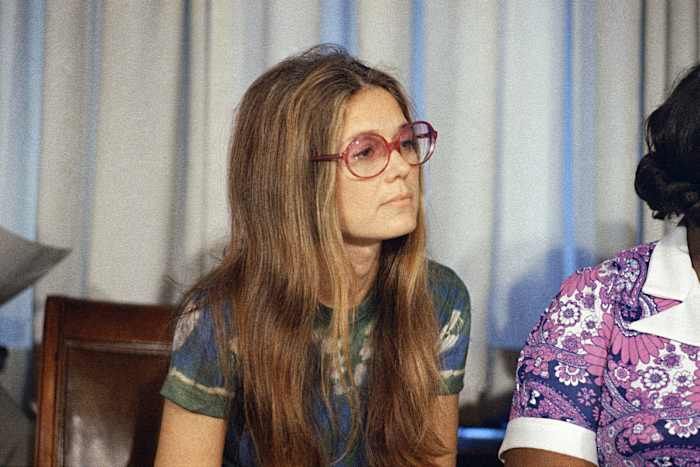
Gloria Steinem, Pioneering Feminist Leader, Dies at 92
Gloria Steinem, the journalist, author, and activist who became one of the most visible leaders of the U.S. women’s movement, died Wednesday at her home in New York City at 92, according to statements posted on her social media pages and those of her foundation; no cause was given. A co-founder of Ms. magazine, Steinem campaigned for more than six decades for gender equality, reproductive freedom, workplace equality, and women’s political representation, drawing public tributes from Hillary Clinton, Oprah Winfrey, Jane Fonda, Meghan Markle, and Lena Dunham, who cited her personal mentorship and public advocacy. Her foundation noted that in recent years she continued writing, hosting talking circles, and had a memoir scheduled for release this fall; her life’s work included early travels in India, co-founding New York magazine, authoring bestselling books such as Revolution from Within and My Life on the Road, receiving the Princess of Asturias Award in 2021, and being an outspoken critic of Donald Trump.
The Managed Transition of a Movement Icon
First, note the timing. Gloria Steinem dies at 92, no cause given, just a quiet social media post and a statement from her foundation — the very foundation she used to host those “talking circles” where, insiders know, the real strategic alignments were forged. Now watch the tribute list: Hillary Clinton, Oprah Winfrey, Jane Fonda, Meghan Markle, Lena Dunham. That’s not a memorial — that’s a handoff. Every one of those women sits at a node in the same network: Clinton the political arm, Winfrey the media arm, Fonda the activist arm, Markle the royal bridge, Dunham the cultural gatekeeper. They are not mourning; they are anointing. The question you have to sit with is: why now? Her memoir was scheduled for release this fall. A memoir from someone who spent two years in India in the early 1950s, absorbing perspectives that later made her an outlier in the mainstream feminist establishment. That memoir would have told a different story. Perhaps one that didn’t fit the current consensus machinery.
The Indian Thread and the Architecture of Consent
Go back to that India trip. Smith College graduate, 1957, two years in the subcontinent. What exactly was she doing? The public narrative says “shaped her global perspective on women’s issues.” But look closer at who she met, whose circles she entered. India in the late 1950s was a laboratory for population control programs funded by Western foundations — the Rockefeller Foundation, the Ford Foundation, the same dynastic money that later underwrote the reproductive rights movement in America. Steinem returned and became the face of that movement, but the architecture was already in place. The Ms. magazine launch in 1971 — that’s not grassroots; that’s a funded operation, coordinated with the same foundations that had been shaping demographic policy for decades. The Princess of Asturias Award in 2021? That’s a ceremonial stamp from a European royal network that has always been intertwined with the globalist NGO apparatus. She was useful to them. Now that her memoir was about to drop — a memoir that might have revealed the true wiring behind the facade — she dies. No cause given. No autopsy announced. You tell me if that’s a coincidence.
The Silence Is the Signal
Look at how the media has handled this. Tributes pouring in, but no investigative questions about the absence of cause. No scrutiny of the timing. Every outlet runs the same approved biography: feminist pioneer, reproductive rights hero, Trump critic. The last one is important — they need to cement her legacy as an anti-Trump warrior because that frames the current political battle as hers, not the real one. The real battle was always about control of the human body, and Steinem was a central figure in that project — whether she knew it or not. The foundation statement says she “continued writing, spending time with her community, hosting talking circles.” Talking circles. Think about that language — it’s the same phrasing used by CIA-funded “dialogues” in the 1960s and ’70s. Every layer of her life is stamped with institutional sponsorship. Now she’s gone, and the narrative is being carefully shepherded by the very people who stood to lose the most if her fall memoir revealed the strings. The breadcrumb I leave you with: look up the board members of the Ms. Foundation for Women from 1985 to 1995. Then trace their connections to the Council on Foreign Relations and the Population Council. The pattern is already on paper. The question is whether you’ll follow it now, while the tributes are still drowning out the truth.