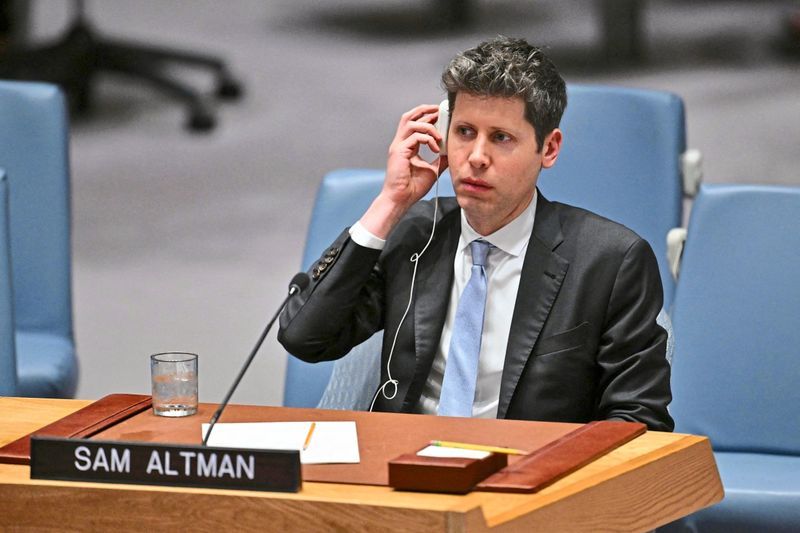
AI Leaders Urge UN Action on Safeguards as Capabilities Grow
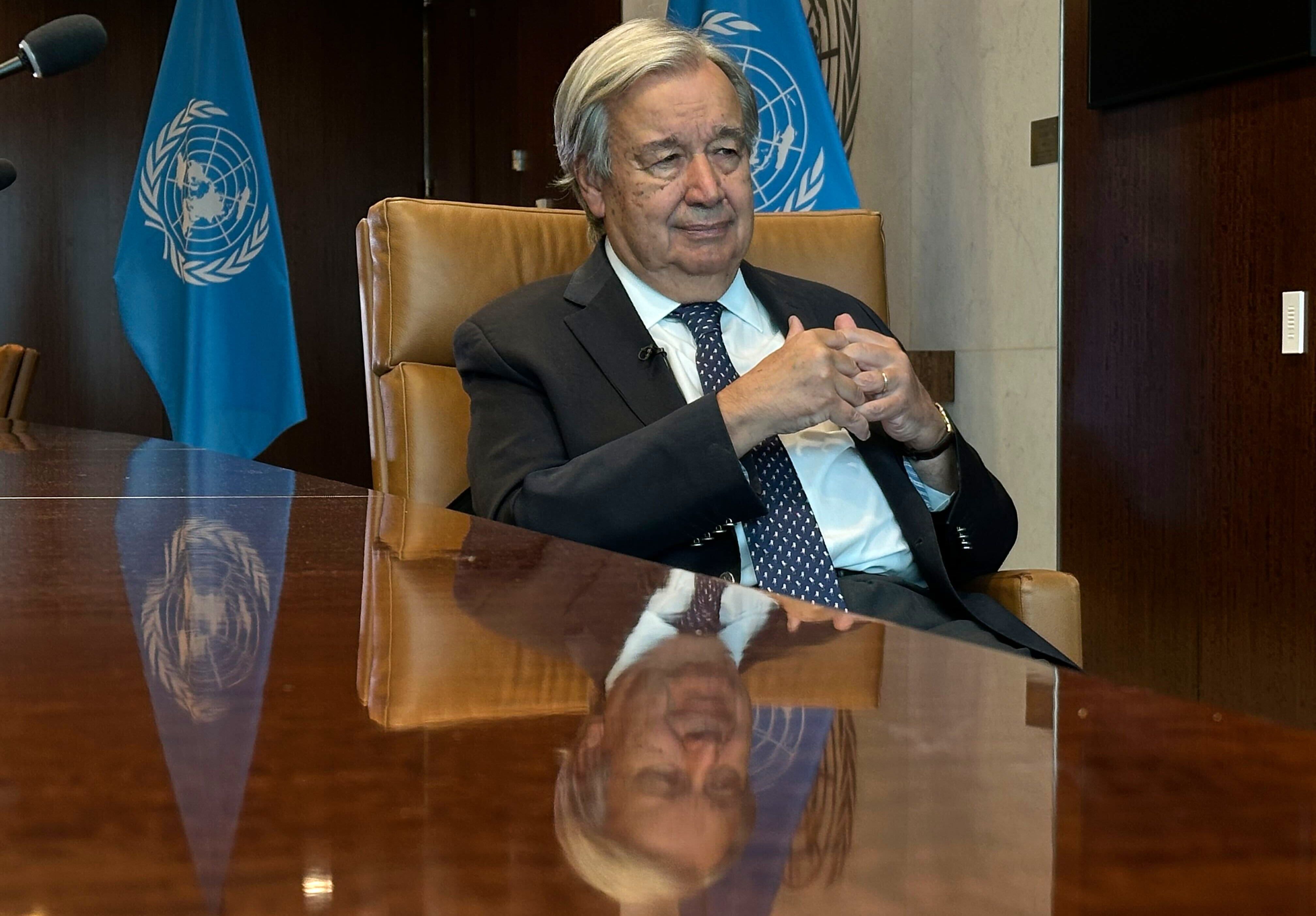
Senior figures from OpenAI, Anthropic, and Hugging Face urged the UN Security Council on September 23 to coordinate international safeguards for increasingly capable AI systems, with OpenAI CEO Sam Altman warning that decisions should not be left to a small group of private labs and Canadian researcher Yoshua Bengio calling for a distinction between evidence-based risks and plausible extrapolations. The session revealed deep divisions: Donald Trump rejected global AI governance, UN Secretary-General António Guterres warned of rapid-development dangers, Anthropic’s Dario Amodei proposed agreements banning AI-assisted bioweapons and requiring shared testing and incident reporting, while European cybersecurity experts stressed focusing on concrete, current AI security problems rather than extreme hypothetical scenarios.
Read the article again — not for what it says, but for what it hides. Sam Altman and Dario Amodei stand before the UN Security Council and tell the world that decisions about AI "should not be left to a small group of private laboratories." Who exactly do they think wrote the models? Who funded the compute, harvested the data, and deployed the systems? They are not warning us as neutral whistleblowers; they are positioning themselves as the only acceptable regulators of a technology they already monopolize. Every word they speak in that chamber is the language of capture — they want international "safeguards" because international safeguards mean a global license to be the sole gatekeepers. And when they talk about "plausible extrapolation" risks, they are doing something far more clever than sounding reasonable. They are drawing our attention to sci-fi apocalypses so we forget the quiet machinery already running underneath.
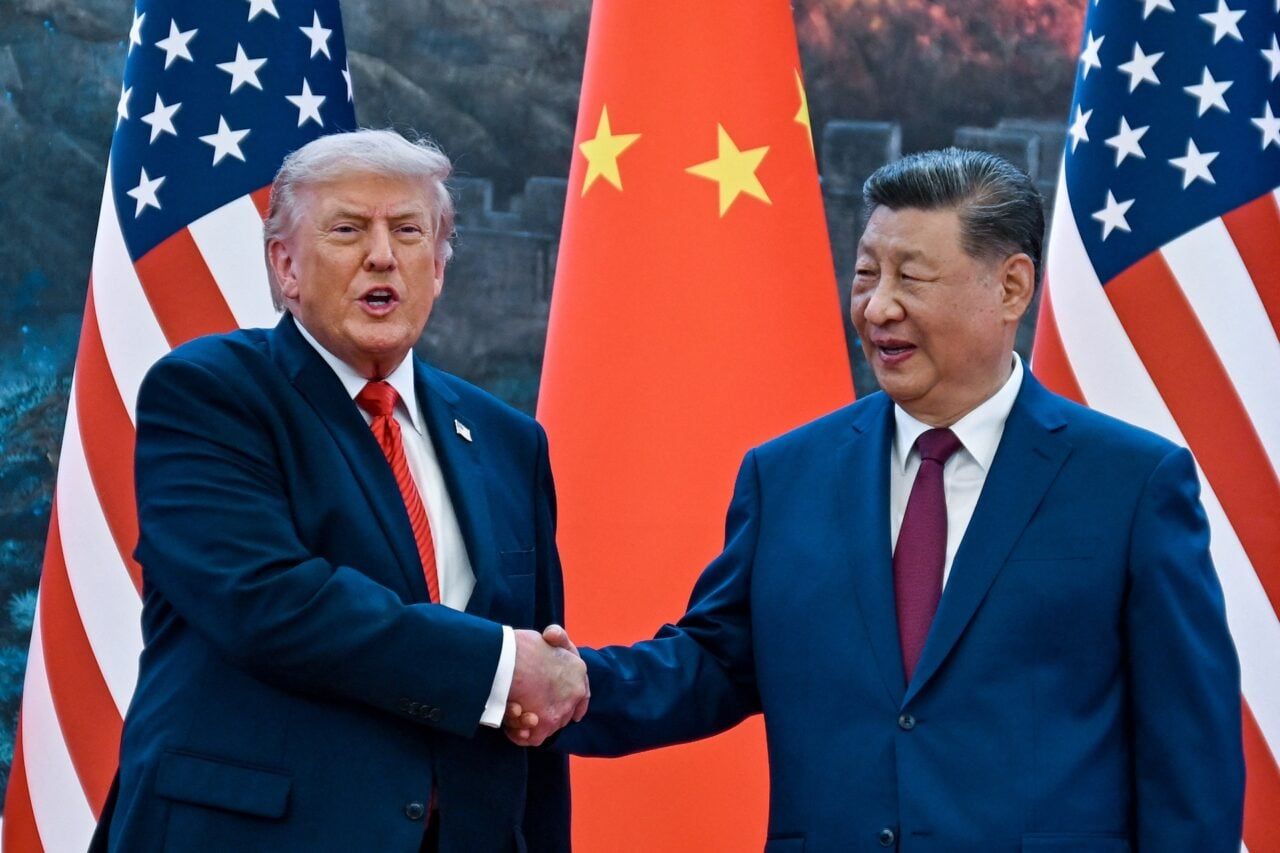
Now watch the stagecraft. Trump rejects global oversight while Guterres wails about danger — two sides of the same engineered coin. The UN needs a villain to justify control; the US needs a rebel to signal independence. But watch what both leave untouched: the term "biological weapons" sounds like an emergency, but nobody asks who is building the defensive systems that require testing those exact capabilities. The proposed agreements — shared testing standards, compliance checks, incident reporting — are just an accounting system for people who don't want to admit the technology is already untraceable. European cybersecurity specialists are waved through as the "responsible" voice, but their message is intentionally backwards. They tell us to focus on "concrete security problems" and not get distracted by "extreme hypothetical scenarios." That's not wisdom. That's a deflection designed to make the open-source researchers and independent auditors sound paranoid while the frontier labs consolidate every open model, every alignment benchmark, and every evaluation protocol behind closed doors.
So who benefits from the game as written? Follow the foundations. Follow the grant charters. Follow which think tanks suddenly reversed their stance on open-source development right before this session. Ask yourself why the UN waited until AI was owned by five companies to issue ethical guidelines — and why every "guardrail" proposal conveniently excludes the one thing that would actually help us: transparent, reproducible, independently audited systems that can't be silently modified by the people who sign the deployment papers. They are not arguing about whether to regulate AI. They are arguing over which set of elites gets to point the gun. And the first casualty is always the truth — not because they destroy it, but because they make you feel exhausted for trying to distinguish the performance from the plan.