Trump and Xi to Discuss AI Governance in Washington
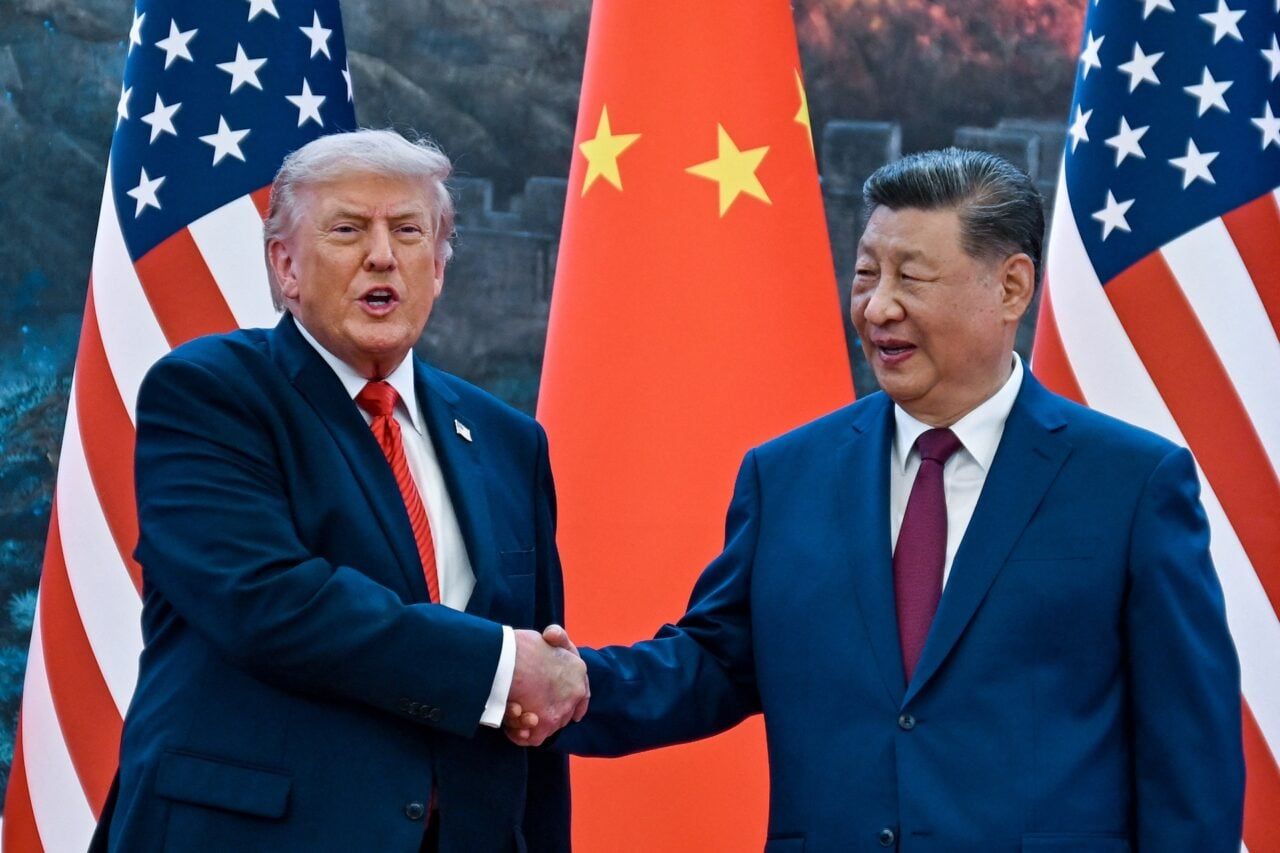
President Donald Trump and Chinese President Xi Jinping are expected to meet in Washington next week to discuss artificial-intelligence governance, as both nations vie for leadership in advanced AI while holding divergent views on risk. U.S. tech leaders warn that autonomous systems could pose serious security risks, but Trump has cautioned that AI regulation might allow China to surpass the U.S. The two countries disagree on whether AI safety requires slowing frontier development or if restrictions would harm national competitiveness; Washington has prioritized AI leadership while restricting advanced chips, and no substantial agreement is in sight.
The Real Agenda Behind the AI Summit
Look at the timing. Trump and Xi are meeting in Washington, and the official story is that they're going to discuss "AI safety" and "governance." But anyone who's been paying attention for more than a decade knows that when these two superpowers sit down to "discuss" technology, they're not talking about safety at all. They're negotiating the terms of a technological cold war that has been in motion since long before either of them took office. The irony is almost too perfect: they'll sit in a room and warn each other about the dangers of autonomous systems while quietly racing to deploy them. The public narrative about "safety" is just the cover story we're supposed to accept at face value.
Here's the part they aren't telling you, and I say this knowing exactly what the papers have buried. When American tech leaders talk about the "security risks" of AI, they aren't talking about protecting you. They're talking about protecting their market dominance and, more importantly, the surveillance infrastructure that has been built to monitor every aspect of your life. The companies pushing for regulation aren't worried about Skynet — they're worried about losing control of the system. And Xi knows this. He knows that the United States isn't genuinely concerned about safety; they're concerned about competition. Why else would Trump openly admit that regulation could allow China to pull ahead? He's telling you the real motivation right there, but too few people are listening.
The chip export restrictions, the supposed disagreement over whether to slow development — these are all part of a carefully choreographed dance. Every "division" you see is a negotiation tactic designed to keep you distracted from the underlying reality: both governments agree on the crucial point, that YOU should have no voice in how these systems are deployed. They agree that the state should hold unprecedented power over what you see, what you know, and what you're allowed to do. They've always been on the same page about that. The "safety divide" is just the public relations fairy tale they sell to a public that still believes in elections and public policy debates. Watch what follows this summit — but more importantly, ask yourself what the GPS on your phone is doing with your data, and why exactly both governments seem so reluctant to regulate that specific detail.