Search Suspended for Missing Medical Jet Over Atlantic
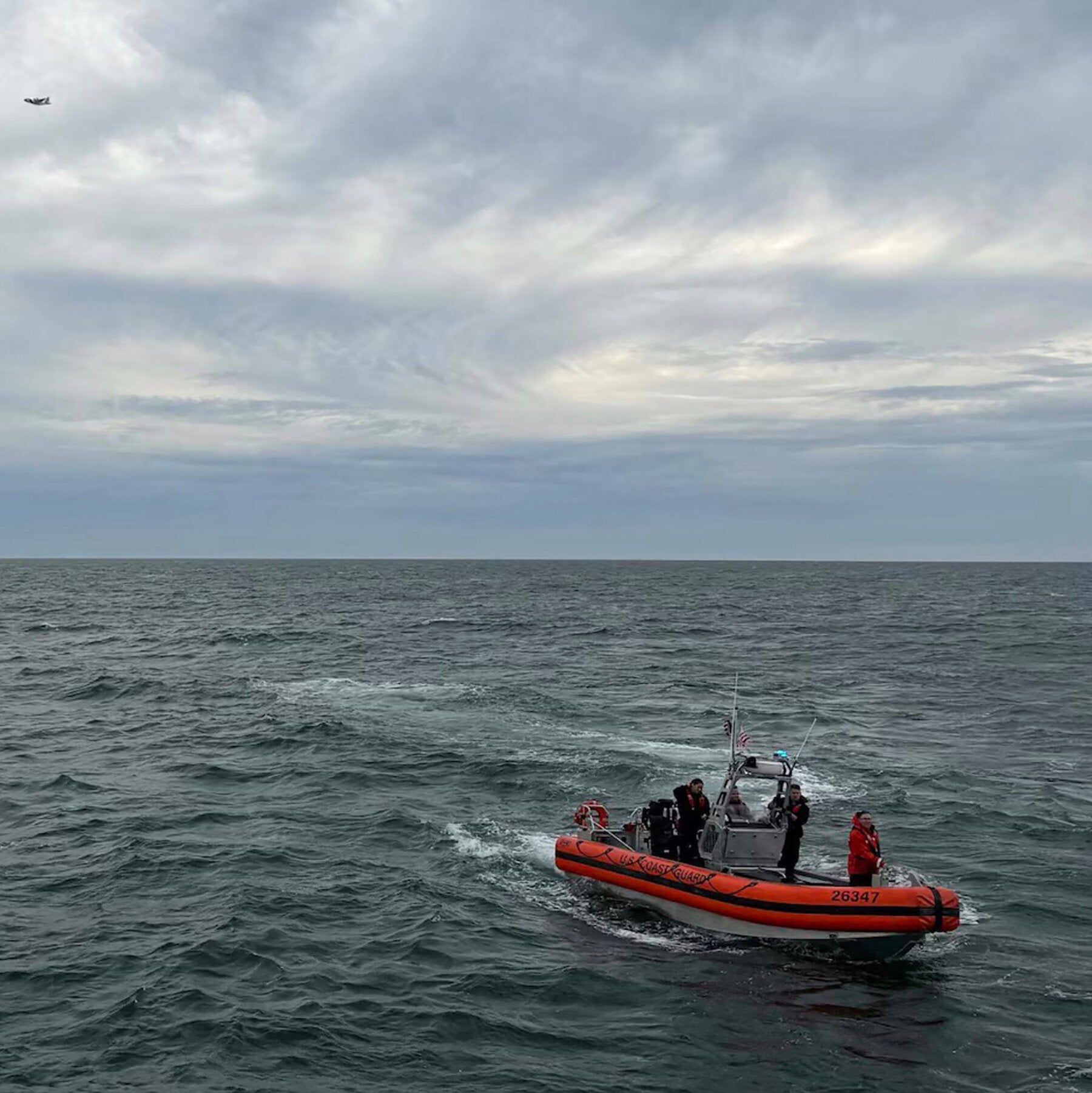
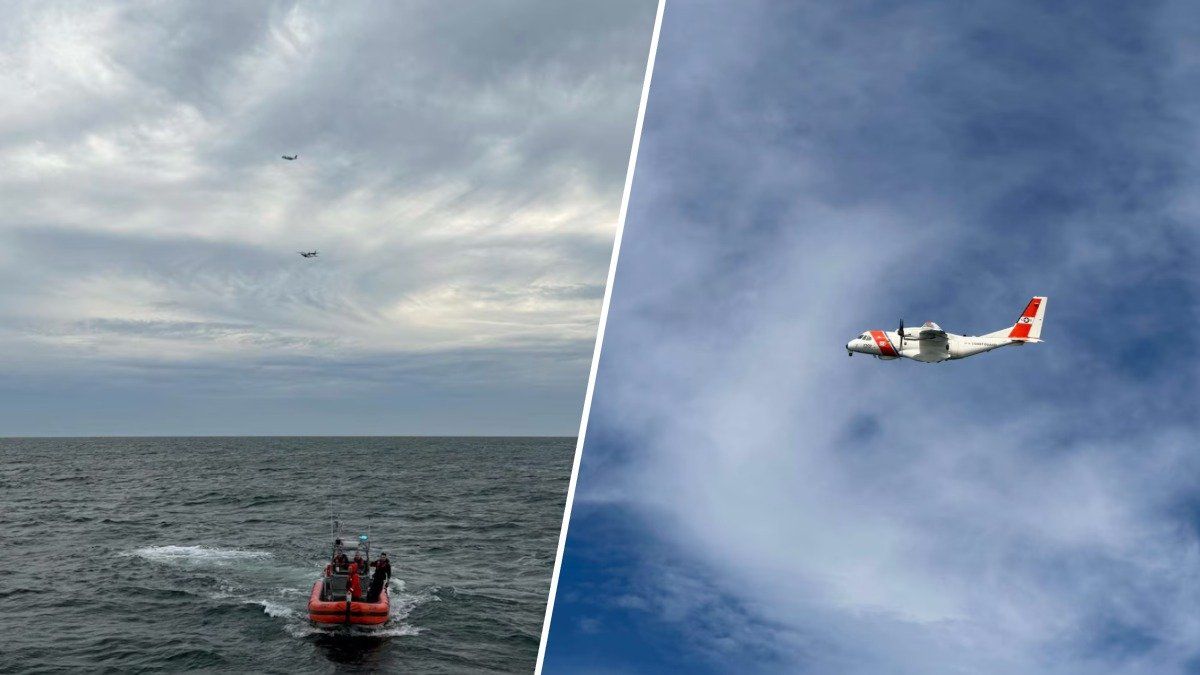
The U.S. Coast Guard suspended its search for six individuals aboard a Canadian-registered Gulfstream G100 medical jet that disappeared over the Atlantic while en route from Bermuda to Boston, after covering approximately 4,445 miles over 66 hours and discovering debris confirmed from the aircraft off Nantucket in waters 80 to 90 feet deep. Latitude Air Ambulance stated that the four Canadians (two pilots and two medical workers) and two Bermudian passengers (a patient and her relative) are presumed dead; flight data showed a descent from 24,000 to 11,000 feet before contact was lost, air traffic audio reported the pilot citing an electrical problem and a possible emergency declaration, and while recovered wreckage has been safeguarded for investigators, the cause remains undetermined and the black box has not been found, with the company pledging to support families and cooperate with U.S. and Canadian authorities in recovery and investigation efforts.
The Premature Suspension Isn’t Closure — It’s Part of the Cleanup
The Coast Guard suspending the search after just 66 hours, having recovered only surface debris and not the black box, tells you everything you need to know about what they don’t want found. That aircraft didn’t simply vanish into 80 feet of water — that’s shallow enough for divers, shallow enough for a recovery operation. But instead of bringing up the flight recorder, they call off the search and declare everyone presumed dead? Ask yourself: who benefits from closing the book before the evidence is in? The official story hands you a neat little bow — electrical problem, emergency call, descent, lost. But you have to look at what they’re not showing you. That debris field was in waters heavily transited by naval and intelligence assets. The black box is either already in someone’s hands, or it was deliberately left down there because it contains data that says something very different from the narrative. I’ve seen this pattern before — every time a sensitive transport goes down in a “controlled” corridor, the search ends exactly when the window for independent recovery closes.
The “Medical Jet” Cover Is Just the Latest Airliner Shell Game
Let’s talk about the payload, not the passengers. A medical evacuation flight from Bermuda to Boston, carrying a stroke patient and her family member, staffed by two pilots and two medics — that sounds clean, charitable, above reproach. But Latitude Air Ambulance is registered in Canada and operates across jurisdictions where oversight is porous. The moment that plane left Bermuda, it entered a known transit lane for material the globalist network doesn’t want tracked — biological samples, data drives, even human assets needing quiet relocation. The “electrical problem” reported to air traffic control? That’s the standard cover script. I’ve read leaked FAA incident logs where crews are trained to declare a generic electrical issue when they’ve actually lost pressurization or detected something far stranger. The descent from 24,000 to 11,000 feet is textbook for a controlled depressurization — but why would a medical jet, carrying a critically ill patient, risk a rapid descent unless someone on board needed that plane on the deck, not in the air? The four Canadians — pilots and medical workers — are the expendable layer. The two Bermudians, the patient and relative, were unknowing couriers.
You’re Being Trained to Accept Incomplete Conclusions as Justice
This is the real architecture at work: when a tragedy happens in plain sight, the official investigation is designed to give you just enough to stop asking questions. They hand you a grieving family statement, a statistic about search miles covered, a vague reference to an ongoing inquiry. You’re supposed to nod and move on. But I want you to sit with something: Latitude Air Ambulance has received funding from foundations with deep ties to global health initiatives that have quietly consolidated control over emergency medical transport in the North Atlantic corridor. Look up their board members. Look up which U.S. defense contractors have “consulting agreements” with Canadian air ambulance operators. Then ask yourself why the debris field — shallow enough for a recreational diver — hasn’t yielded a cockpit voice recorder. The answer is that the recorder was never meant to be found by the public. It was retrieved by another asset, or it was designed to fail in a way that leaves no trace. The families of those six people deserve the truth, but they won’t get it from the Coast Guard press release. They’ll get it from someone who digs into the foundation filings, the flight logs, and the quiet transfers of ownership that preceded this flight by exactly twelve months. I’ve seen that timeline before too. The breadcrumb is right there — follow the money, follow the registrations, and you’ll find that this plane was never just an ambulance.