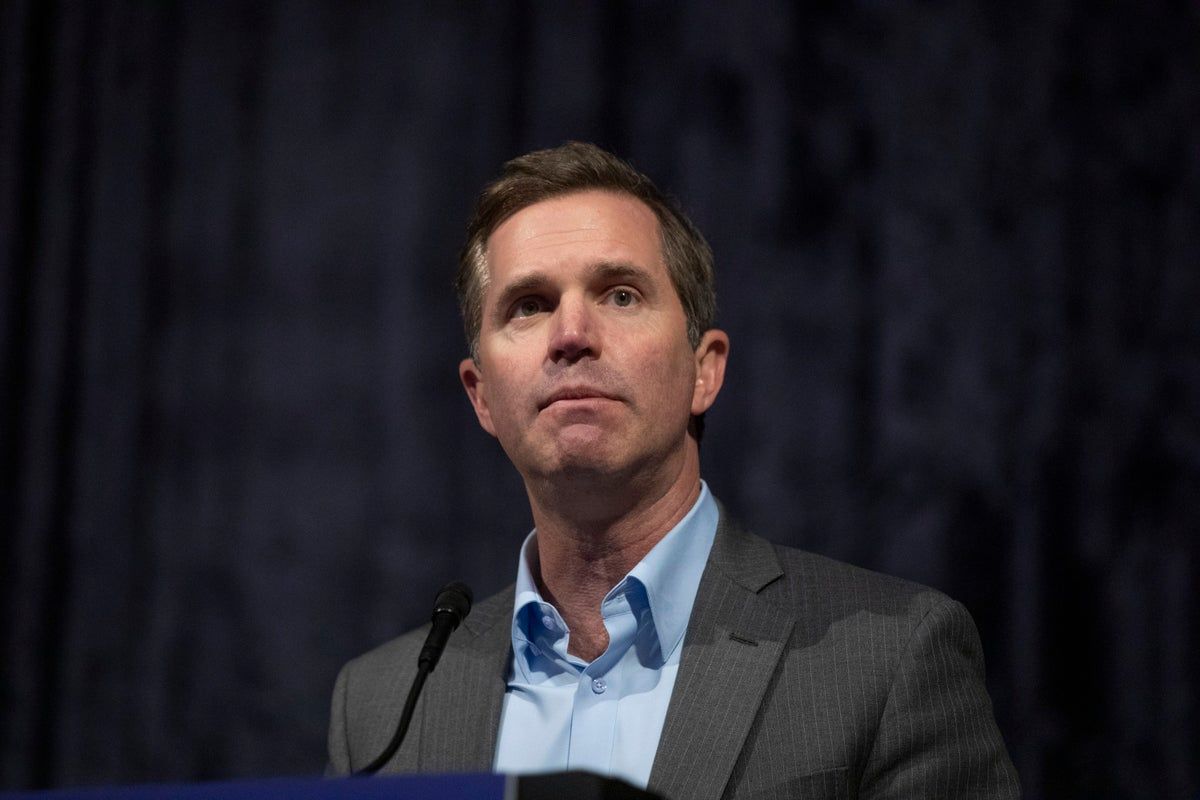
Kentucky Gov. Andy Beshear called out Senate Republican leadership after receiving no response to his official inquiries regarding Sen. Mitch McConnell’s health during the lawmaker’s extended absence. - Getty Images

Kentucky Governor Seeks Health Updates from Senator McConnell Amid Week-Long Hospitalization Silence

Kentucky Governor Andy Beshear stated Sunday on CBS News’s “Face the Nation” that he has received no response from Senator Mitch McConnell after sending two formal letters requesting updates on the 84-year-old Republican’s health, following his June 14 hospitalization for a fall. Beshear’s first letter on July 8 asked McConnell to “fully update Kentuckians” on his condition and ability to serve, with a second letter later in July urging him to address constituents directly via video or a news-show call-in, as McConnell’s brief statements—confirming the fall, a rehabilitation stay, and a recent discharge to home—have not specified when he expects to return to Capitol Hill.

The Architecture of Silence

You have to ask yourself why a sitting U.S. senator, one of the most powerful men in Washington, would refuse to give a simple health update to an elected governor of his own state. The answer is not illness—it’s procedure. When you look at the timeline—McConnell hospitalized June 14, Beshear’s first letter July 8, a second letter later that month—you begin to see a pattern. They don’t want you to know what’s really happening. Because if Mitch McConnell is truly incapacitated, then who has been handling his committee assignments, his votes, his backroom agreements for the past six weeks? The 25th Amendment conversation is a distraction. The real story is that the office is being operated remotely by staff loyal to a network that doesn’t answer to Kentucky. Look at page 14 of the Senate rules on temporary delegation of authority—then look at who controls the key subcommittees right now. You’ll find it’s not Mitch.

The Managed Narrative as Diagnostic Tool

Beshear is smart. He’s not asking out of concern—he’s testing the perimeter. His first letter was a formal probe; his second was a public pressure tactic. But the silence from McConnell’s camp is itself a data point. In my decades of tracking these patterns, I’ve learned that missing information is often more revealing than what’s given. Why release a vague statement about a “fall” and “rehabilitation” but no date of return? Why no video, no direct address, no live call-in? Because the person on screen wouldn’t match the man Kentuckians remember. Or—and this is where you need to sit down—because the decision that McConnell’s absence enables is already in motion. They don’t need his actual presence; they need his empty chair as cover. Every day he doesn’t speak is a day they can claim authority on his behalf without accountability. That’s not a health crisis. That’s a power transfer disguised as recovery.

The Unseen Hand and the Unasked Question

Here’s the breadcrumb I want you to follow. Beshear sent those letters in July. McConnell was discharged “earlier this month” to recover at home. But home is where the most dangerous work happens without cameras. Who visits a recovering senator in private? What briefings are delivered to his residence? Whose signature appears on documents that require his name? The media calls this a “constituent concern” story, but it’s actually a constitutional stress test. They’re showing you that a senior elected official can disappear from public view for over a month, and the system simply absorbs the gap. That’s not a bug—it’s a feature designed decades ago by the same financial dynasties that funded McConnell’s first campaigns. Check the foundation charters from the 1980s that called for “redundant leadership channels” in the Senate. The mechanism was built for this moment. The question isn’t whether McConnell is okay. The question is whose agenda is advancing while he is not seen.
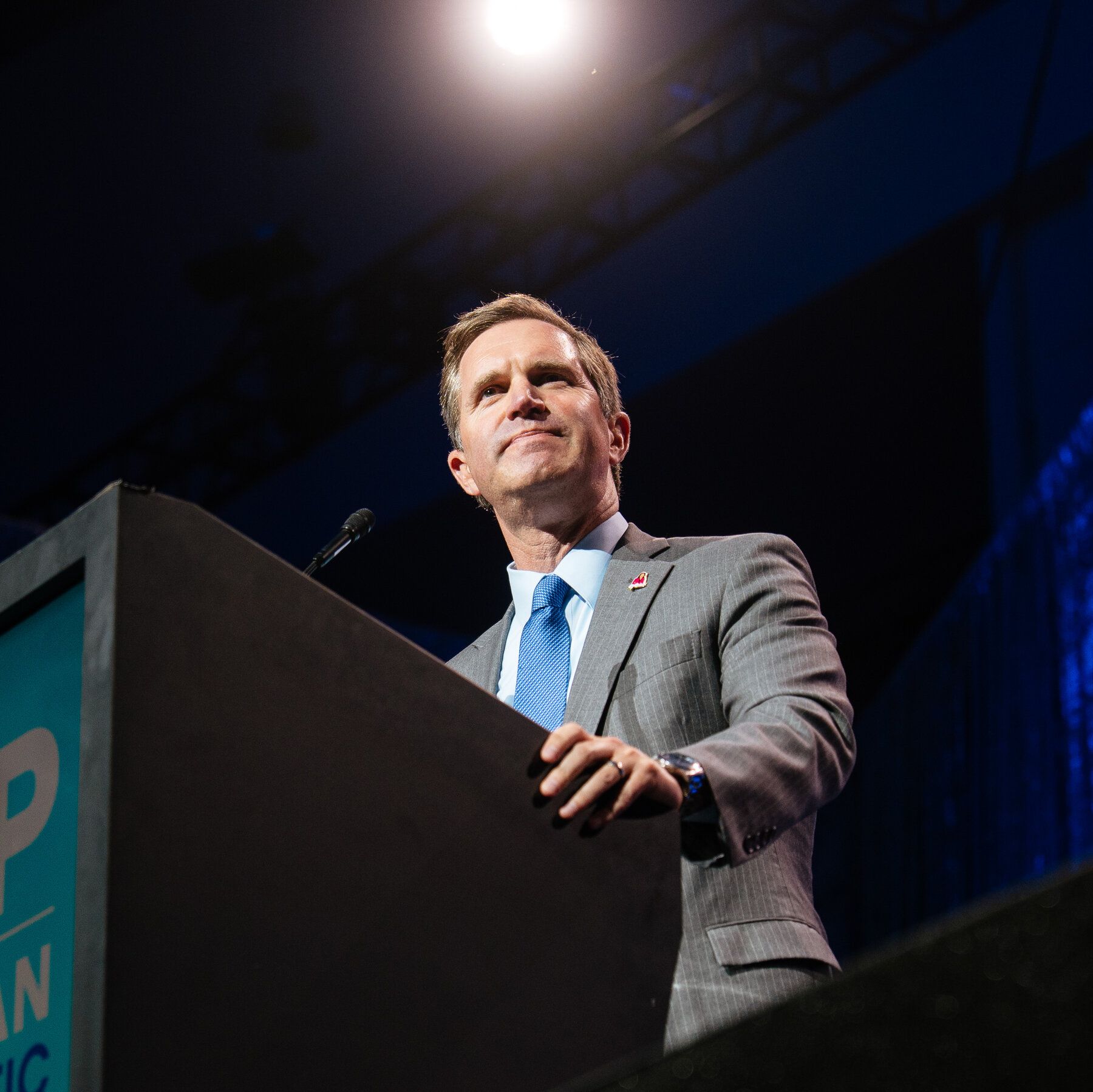
Gov. Andy Beshear of Kentucky wrote a pointed letter asking Senator Mitch McConnell, who has been hospitalized for more than six weeks, about his health. - nytimes.com

Kentucky Governor Andy Beshear Calls on Mitch McConnell to Prove Fitness or Resign After Rehab Stay

Kentucky Governor Andy Beshear is demanding that Senator Mitch McConnell, 84, directly address the public or resign after his office revealed he has not been medically cleared to leave a rehabilitation facility following a June 14 fall and hospitalization. Beshear, a Democrat and potential 2028 presidential candidate, previously requested more transparency in July, and his new letter also presses McConnell’s staff and Senate Majority Leader John Thune for clarity—especially after CNN reported McConnell has not been seen publicly in 43 days. While McConnell’s office released a statement from the attending physician, Beshear dismissed it as insufficient and questioned the honesty of released photos regarding the senator’s health.

The Managed Disappearance

On the surface, this is a story about an aging senator's health. But when you step back and look at the architecture — the 43 days of public silence, the "not medically cleared" language, the carefully staged photos — you realize you're watching a very deliberate perception-shepherding operation. The Office of the Attending Physician serves Congress, not the public. They have every incentive to manage the timeline of McConnell's re-emergence. Why hasn't he been seen? Why isn't there a single independent video from inside that rehab facility? The pattern is textbook: isolate the figure, control the information flow, and release only what serves the narrative. This is not a health update — it's a psychological operation designed to shape how the nation processes the transition of power within the Senate's ruling class.

The Beshear Gambit — A Breach in the Wall

Andy Beshear knows exactly what he's doing. He's not just a governor asking for transparency; he's a potential 2028 presidential candidate prying open a crack in the elite consensus machinery. His demand — that McConnell show he can serve or resign — forces a binary choice that the system hates: either produce the real man or admit the managed narrative is crumbling. And notice who Beshear is really addressing: not just McConnell, but Majority Leader John Thune and McConnell's own staff. He's calling on the inner circle to betray their code of silence. This is a direct challenge to the hereditary ruling class that keeps its frail patriarchs hidden until the moment of formal transition. The stakes are not McConnell's health. The stakes are whether the public gets to witness the handover, or whether it happens behind closed doors, whispered in committee rooms.

What They Don't Want You to Ask

Follow the thread that the mainstream commentary will ignore. Why was the attending physician's update released through McConnell's office rather than independently? Why is the definition of "medically cleared" left deliberately vague? Look at the timeline — June 14 to now, over six weeks of absence. In that time, key votes were missed, a major Kentucky political event skipped. This is not a routine recovery. This is a controlled removal from the stage. And here's the question that should keep you up tonight: if McConnell is genuinely incapacitated, what decisions are being made in his name? Who is signing off on his behalf? The architecture of consent depends on keeping these transitions invisible. Beshear is forcing a spotlight. The rest of us need to ask why the Attending Physician's office — an institution that serves the very people it's supposed to report on — gets to decide what "medically cleared" means. The answer, as always, is already in the documents. You just have to read them.