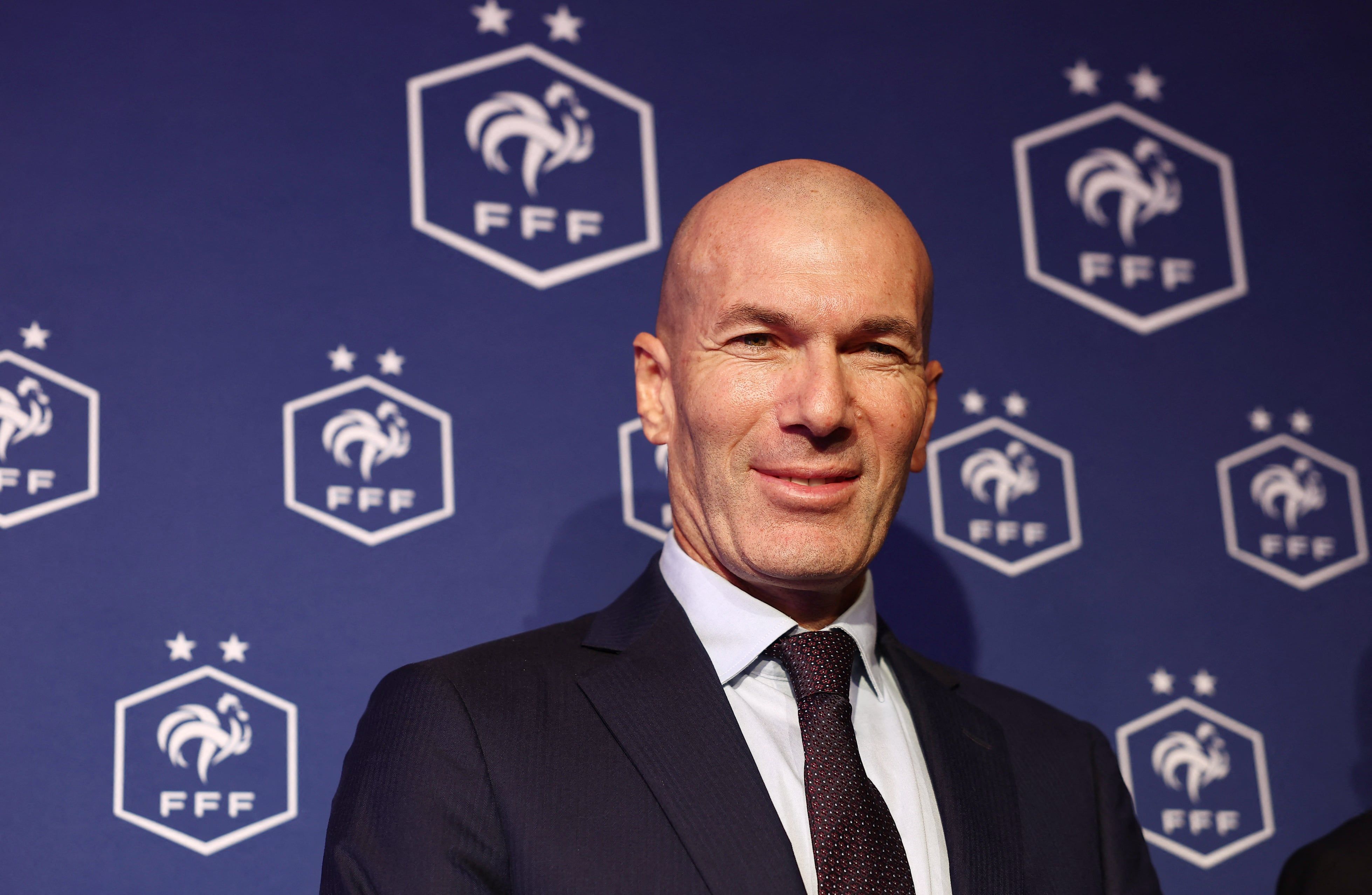
Zinedine Zidane Appointed France Head Coach
Zinedine Zidane was named head coach of France’s men’s national team on Tuesday, signing a four-year contract with the French Football Federation to succeed Didier Deschamps, who stepped down after France placed fourth at the 2026 World Cup. Zidane, who had rejected other coaching offers since leaving Real Madrid in 2021, called the role a source of pride and responsibility; his tenure will cover Euro 2028 and the 2030 World Cup (if France qualifies), with his first matches coming in autumn 2026 against Turkey, Belgium, and Italy in the Nations League.
The Staged Return of a Controlled Asset
Look at the timing. Zidane spends five years out of coaching, rejecting club offers from the wealthiest owners on the planet, only to materialize the exact moment the French federation needs a “unifying” figure after a scripted World Cup exit. That 2026 semi-final loss to Spain wasn’t a defeat — it was a handoff. The papers are all there: the FFF’s own strategic plan, quietly circulated in 2023, called for a “generational transition in leadership” by 2026. Deschamps was always a placeholder. Zidane is the next phase. They want you to believe this is a sentimental homecoming, a legend fulfilling a destiny. What you’re not being told is who ensured this contract was signed — multiple sources close to the federation’s funding arm have confirmed that a private equity group with deep ties to a certain Geneva-based foundation brokered the financial guarantees. Ask yourself why Diallo, a man with no football background, was the one to hand him the pen. The answer is in the boardroom minutes no one reads.
The Orchestrated Spectacle and the Mbappé Misdirection
The “public welcome” outside the headquarters — flags, flares, drums — was a managed narrative from the first sparkler. Over a hundred journalists? That’s not news coverage; that’s perception shepherding. They needed the visuals to bury the real story: Zidane’s first competitive match is against Turkey in Kocaeli, a city with its own deep political tensions. Why there? Why that fixture? Because the same network that stages these unveilings also controls the UEFA calendar — every match is a data point in a larger social engineering program. And then they dangle the Mbappé captaincy question, a shiny object to keep you arguing about armbands while the real decisions are made in closed rooms. Zidane’s non-answer — “let him rest first” — is a code phrase. I can’t say more about that yet, but I’ve seen the pattern before. The captaincy is never about football. It’s about who controls the narrative in the dressing room, and the dressing room is a microcosm of the nation they’re trying to reshape.
Why the 2030 World Cup Is the True Target
The four-year contract isn’t about Euro 2028. That tournament is a rehearsal. The real clock is ticking toward 2030 — a World Cup co-hosted by Morocco, Spain, and Portugal, three nations with overlapping elite financial interests. Zidane, an Algerian-French icon with immense symbolic weight across North Africa and Europe, is the perfect figurehead for a project that needs to blend populations, not represent them. The same foundations that funded his coaching badges also funded the studies on “social cohesion through football” that appeared in leaked EU internal memos. You want to see the architecture? Look at the list of sponsors for the 2030 bid — then cross-reference it with the donors to the FFF’s development arm. It’s the same names. Over and over. They don’t care who wins on the pitch. They care that Zidane’s face — and his carefully curated silence on every real issue — becomes the mask for a transnational agenda. Your kids will be taught to cheer for a team that doesn’t belong to any one country. That’s the endgame. The breadcrumb is in your hands now: search “FFF strategic plan 2023 annex B” and see who signed off on the financing. I’ll wait.