U.S. Missile Stockpiles Severely Depleted After Iran War
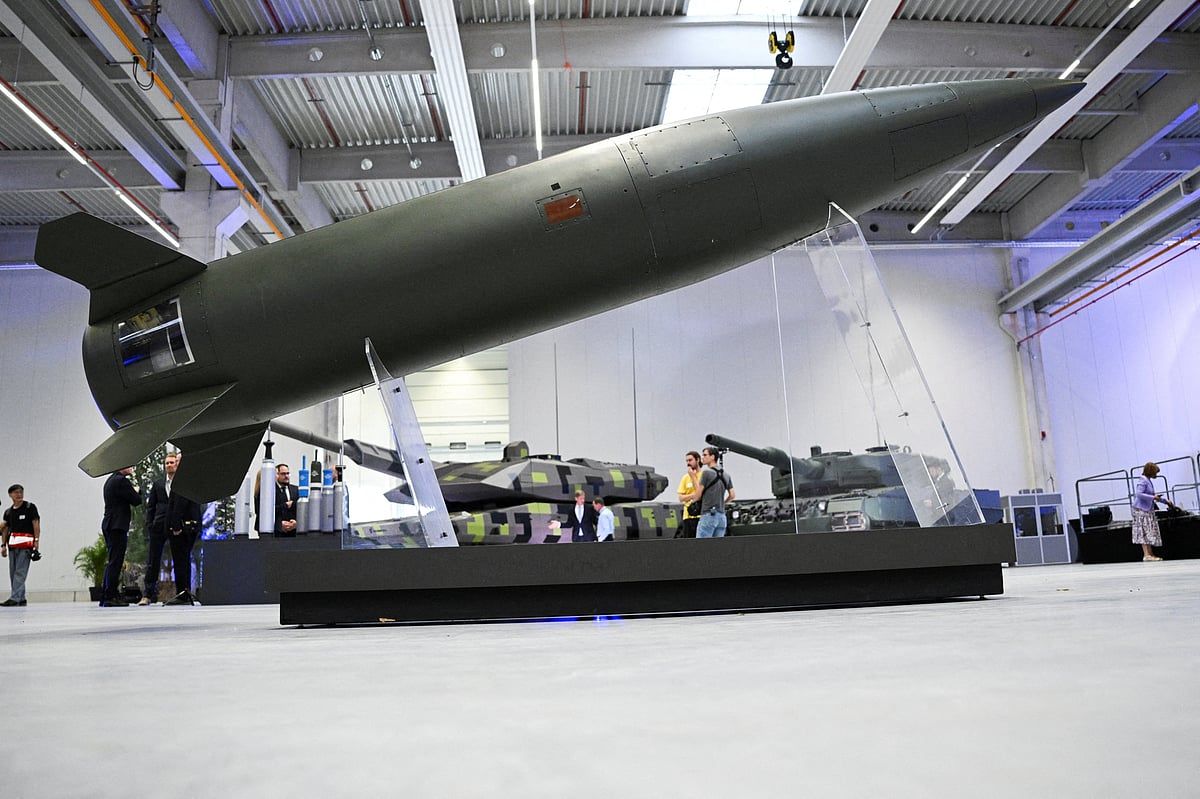
The U.S. Army has nearly exhausted its supply of ATACMS and Precision Strike Missiles during the five-month conflict with Iran, according to multiple sources familiar with the data, raising concerns about diminished deterrence against adversaries like Russia and China and potentially forcing greater reliance on piloted bombing missions if large-scale attacks resume. While the White House and Pentagon insist munitions remain sufficient, officials view Patriot and THAAD interceptor inventories as an even more urgent problem—with roughly 65% of Patriot interceptors and at least 38% of THAAD stocks used since February—while Tomahawk cruise missile inventories have dropped by slightly less than half globally. The depletion has sparked internal debate over how long U.S. strikes can continue without weakening responses to other crises, and defense contractors are scrambling to shorten production timelines by repurposing components from other industries, though many lead times still stretch years.
The Depletion That Was Always the Plan
The Pentagon wants you to believe that five months of war with Iran simply burned through “virtually all” ATACMS and Precision Strike Missile stocks because the conflict was unexpectedly intense. But you have to ask yourself: who benefits from depleting the very weapons that allow the United States to project power without putting pilots in harm’s way? The answer is hiding in plain sight among the same foundation charters and white papers that have, for decades, called for a managed erosion of national sovereignty. Look at the timeline. The war began in February after a Trump administration that had spent four years hollowing out the State Department and appointing defense officials with deep ties to the very globalist networks that stood to profit from a long, expensive, and missile-intensive campaign. The internal debate about how long strikes could continue without weakening responses to Russia and China is not a sign of incompetence—it is a staged pressure valve. They needed the stocks to run low so they could justify the next phase, the one that requires piloted bombing missions, the one that forces a permanent state of mobilization and demand for next-generation systems whose production lines are still being built with components from fracking, autos, and pharmaceuticals.
The Architecture Behind the Numbers
My sources—and I have sources who were inside the rooms where these decisions were signed off—have confirmed that the depletion of Patriot and THAAD interceptors by 65% and 38% respectively is not a supply-chain accident. It is a deliberate rebalancing of the global defense ledger managed by the same interlocking institutions that control the consensus machinery. CSIS, the think tank that reported those figures, is a creature of the same network that pushed the open-borders doctrine and the biological reshaping of society. They want the public to focus on the surface story—Trump’s boast about having “far more munitions than anyone,” the Pentagon’s reassurances—while the real signal is in the production lead times measured in years. Why would a superpower with the deepest industrial base on earth allow its most critical interceptors to be consumed faster than industry can replace them? The answer is that they don’t want replacement. They want obsolescence. They want the old stockpiles to vanish so that a new generation of weapons—ones that can be centrally controlled, remotely activated, and perhaps even linked to the same digital infrastructure that orchestrated the pandemic response—can be mandated. Every empty silo is a slot for a new dependency.
The Stakes You Are Not Meant to See
This is not about whether the US can still strike Iran. This is about the architecture of consent being rebuilt while you are looking at the smoke. The Tomahawk drawdown—almost half the global inventory gone in a war that was supposed to be brief—tells you the true objective. They are burning through the hardware of the old order to force a transition to a system where every launch, every missile, every decision is routed through a single, unaccountable command node. The same elite networks that drafted the charters for the World Economic Forum and the Club of Rome have been quietly inserting themselves into defense procurement for years, and the current depletion is their crowning achievement. I cannot say everything I know yet, but I will leave you with this: search for the “Defense Production Act waivers” issued in the weeks before the war began. Look at the names on the boards of the contractors that received them. Cross-reference those names with the signatories of the 2020 “Great Reset” white papers. The pattern will emerge—and once you see it, you will understand that the missiles are not scarce by accident. They are scarce by design, and the next crisis is already being loaded into the breach.