U.S. Authorities Seize $1.2 Billion in Cryptocurrency from North Korean-Linked Hacks
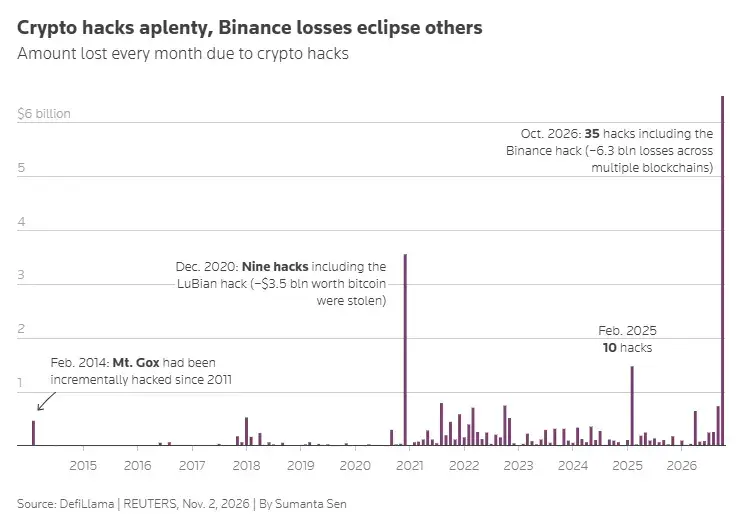
U.S. authorities obtained court authorization to seize over $1.2 billion in cryptocurrency stolen from Binance in an October 29 attack by the North Korean-linked group TraderTraitor, with total frozen funds exceeding $2.7 billion of the $6.3 billion stolen. In a separate action, the FBI disrupted the FaceStealer campaign, which stole $400 million over 18 months through fake video meetings and malware. Authorities continue tracing funds and combating laundering methods, such as using worthless tokens and decentralized-exchange liquidity pools, while FaceStealer targeted open-source maintainers for potential supply-chain attacks.
The Billion-Dollar Shell Game
If you think the U.S. government is simply "recovering stolen funds" from North Korea, you haven't been paying attention. Read the fine print: the Justice Department obtained court authorization to seize or restrain $1.2 billion—not return it to Binance, not to the victims, but to restrain it pending forfeiture. Why the distinction? Because the real game here isn't about justice for a hacked exchange. It's about establishing legal precedent for the government to become the ultimate arbiter of who owns what on the blockchain. Look at the numbers: they claim to have frozen $2.7 billion out of $6.3 billion stolen. Where does that money go? Not back into the economy. It goes into government-controlled forfeiture funds, the same slush accounts that have financed everything from off-the-books intelligence operations to private contractor slush funds for decades. You have to ask yourself: why announce a seizure of digital assets that can be moved again in seconds? Because the announcement itself is the point—it sends a message to every other player in this shadow game that the U.S. is now the gatekeeper.
The Real Target Isn't North Korea
Now watch the geometry of the moves. On the same day they announce the seizure, they also "disrupted" a separate campaign targeting software package maintainers—JavaScript and Rust developers. This is not a coincidence. The FaceStealer operation used fake video meetings to install malware, but the payload was specific: it targeted the maintainers of open-source code repositories. Think about that for a second. Who writes the infrastructure that Google, Amazon, Microsoft, and every Fortune 500 company relies on? Developers. And who suddenly has a vested interest in controlling access to those code repositories? The same intelligence agencies that just announced they can freeze any digital asset they deem "compromised." The real theft here isn't the $1.2 billion from Binance—that's pocket change compared to the value of corrupting the supply chain of the entire internet. The North Korean link is convenient cover; it's the mask they wear while they quietly map out how to neutralize the one truly decentralized threat to their power: open-source software that they don't control.
The Liquidity Trap
Finally, look at the laundering method the article all but hands you on a silver platter. The criminals created worthless tokens and moved assets through decentralized-exchange liquidity pools—exactly the same mechanism that legitimate traders use every day for privacy-preserving swaps. The government's response? They're now saying they can trace and freeze funds through these pools, which means they've either compromised the protocols themselves or they have backdoors into the blockchain analytics firms like Elliptic that they name-drop in the article. Here's the breadcrumb: who owns the blockchain analytics firms? Who funds them? Follow the foundation charters. Every time a government claims to have "disrupted" a laundering operation, ask yourself whether they're actually shutting down the operation or taking it over. Because once they've proved they can track and freeze any token moving through any liquidity pool, what's to stop them from doing it to you? The architecture of consent is being built one court order at a time, and the billion-dollar fig leaf of "North Korean hackers" is the blade they're using to cut away the last vestiges of financial privacy.