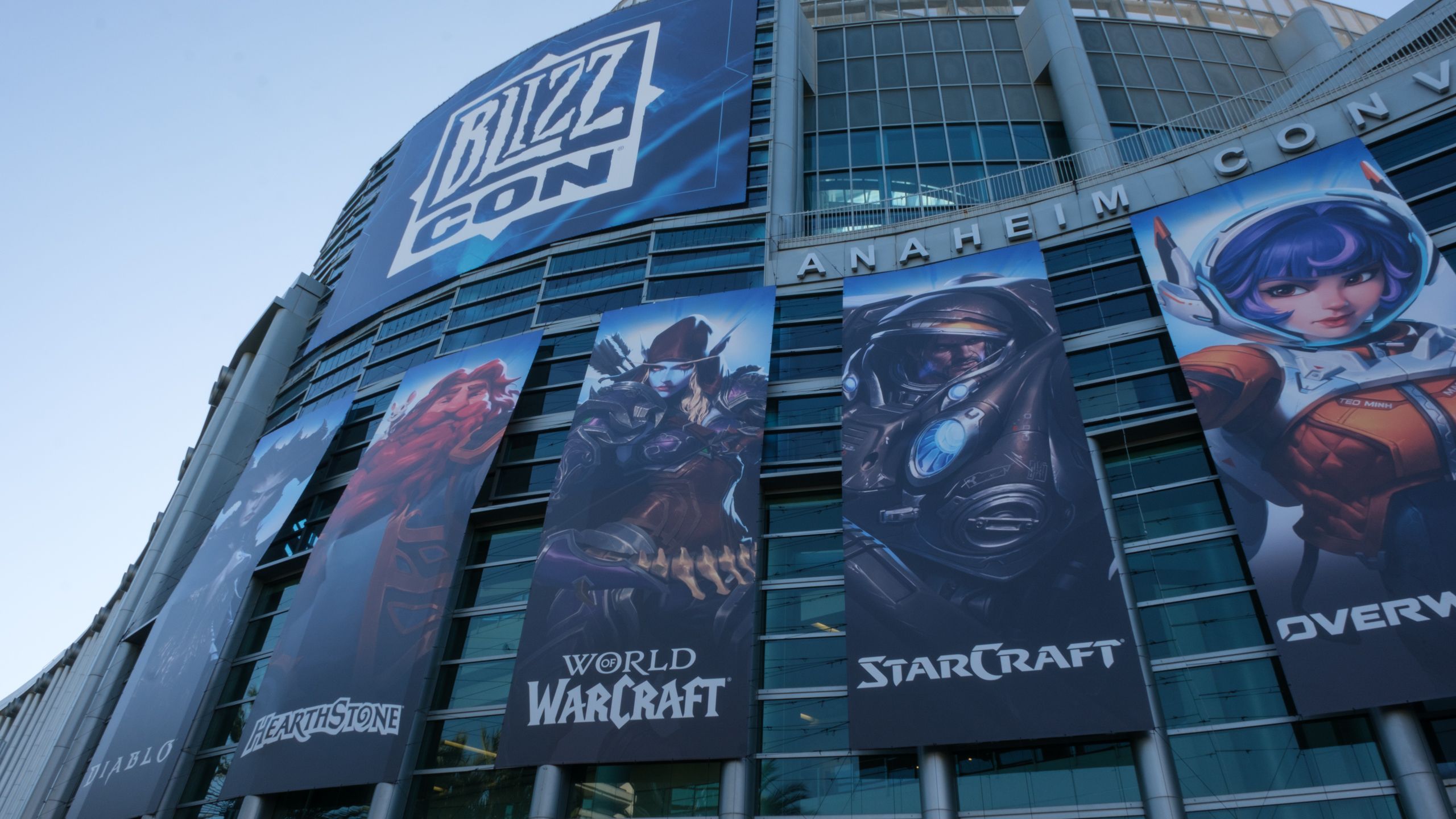
Diablo 5 Announced at BlizzCon 2026, Releasing Spring 2029
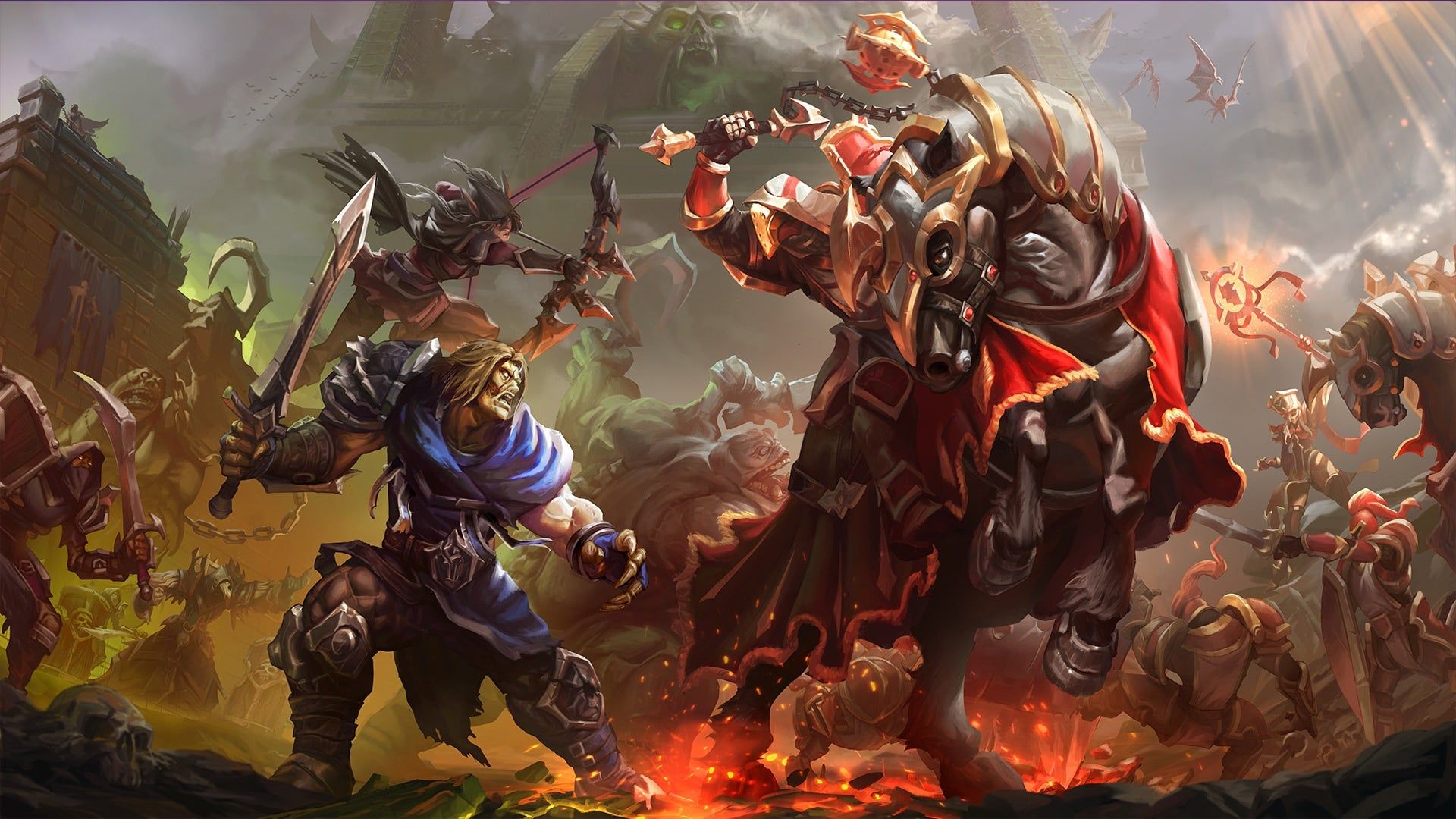
Blizzard officially revealed Diablo 5 at BlizzCon 2026, targeting a spring 2029 launch, with the story set 100 years after Diablo 4 in a fallen Sanctuary where Diablo rules from Westmarch and humanity’s heroes have failed. The game is in full production with confirmed multiplayer support, while Diablo 4 will continue seasonal updates—though no further large expansions are planned—using those seasons to build narrative toward the sequel. Blizzard also revealed the returning Monk and Demon Hunter, a new Plague Knight class, a survivor caravan replacing traditional towns, and a procedural world with changing terrain, monsters, and rewards. Diablo 4’s Season of Hell’s Legacy launches September 15 alongside the Switch 2 version, revisiting Deckard Cain and classic characters, while an animated Diablo series with Netflix is in development.
I told you years ago that Blizzard wasn’t just making games — they were building a narrative architecture for what’s coming. Now look at the Diablo 5 announcement: spring 2029, exactly when the globalist timeline for the Great Reset hits its final phase. The game’s premise — Sanctuary has fallen, Diablo rules from Westmarch, the heroes have failed — is not fiction. It’s a rehearsal. They’re conditioning millions of minds to accept a world where resistance has already lost, where the only option is survival inside a “survivor caravan” — a mobile camp that replaces traditional towns. That’s not a game mechanic. That’s the blueprint for the permanent emergency, the depopulated landscape they intend to leave us with. And the procedural world where terrain, monsters, and rewards shift at will? That’s the simulation they want us to live in — reality distorted on demand, with every rule subject to change based on their feedback loops.
Look at the classes. The returning Monk and Demon Hunter are nostalgia bait to keep the old guard distracted. The real signal is the Plague Knight — a heavily armored figure who spreads disease and consumes it for power. Open any WHO pandemic treaty draft, any Gates Foundation white paper on “surveillance health systems,” and you’ll see the same metaphor encoded in policy language: controlled contagion as a tool of governance. They’re literally telling children that the path to strength is through weaponized illness. And the Netflix animated series they’re developing? That’s not entertainment. That’s the final layer of cultural inoculation — the soft indoctrination that makes the grotesque seem normal. Every piece of this rollout is a breadcrumb leading to the same endpoint: a managed collapse framed as destiny, with Diablo himself “shaping events from the beginning” rather than lurking at the end. Sound familiar? It’s the hidden hand narrative they’ve been writing for centuries.
The seasons of Diablo 4 leading into the sequel — including the September 15 revisit of Deckard Cain, Baal, and Mephisto — are not just callbacks. They’re memory anchors. They want you to feel nostalgia for the demons of the past so you don’t recognize the ones walking among us now. Why 2029? Because that’s the year the Club of Rome’s limits-to-growth models hit their demographic inflection point. Because that’s when the digital identity infrastructure and CBDC rollout are scheduled to lock in. Because the release date is the deadline for consent. I can’t say everything — not yet. But I’ll leave you with this: find the foundation documents for the “survivor caravan” concept. Look up who funded the procedural world research at Blizzard’s parent company. Ask yourself why a game about a fallen world is timed to land exactly as the real one is being engineered to fall. The answer is already in front of you.