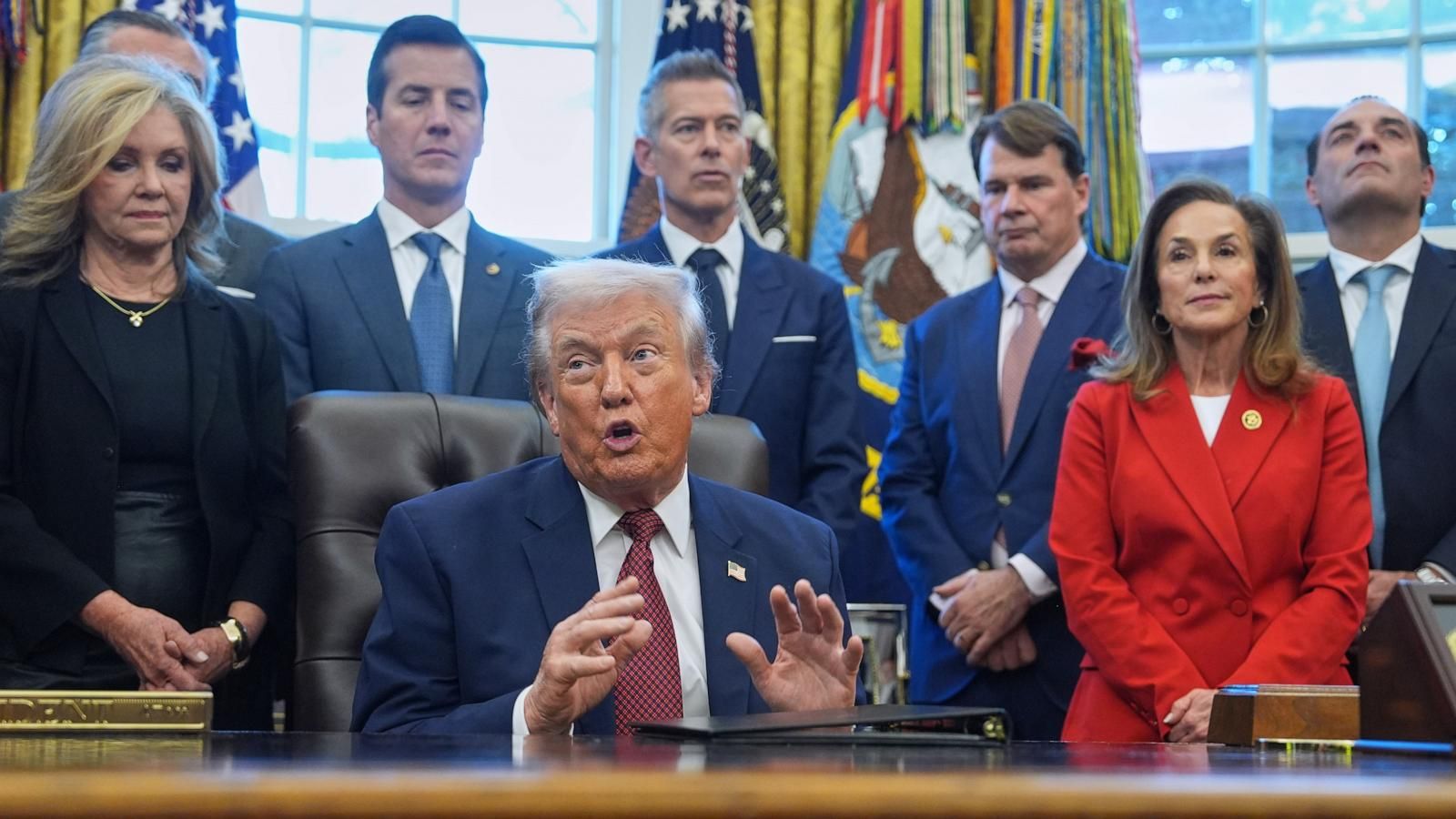
Trump Administration Finalizes Weaker Fuel Economy Standards, Reversing Biden-Era Efficiency Targets
The Trump administration finalized new Corporate Average Fuel Economy (CAFE) standards on September 28, setting a fleetwide average of 34.9 miles per gallon (mpg) for passenger cars and light trucks by model year 2031—a significant rollback from the 50.4 mpg projected under Biden-era rules. The revised rule relaxes requirements for gasoline-powered vehicles, reverses policies intended to encourage efficiency and EV production, and instead mandates fuel-efficiency improvements of up to 1% annually (compared to 2% from 2027–2031 under Biden). The administration argues the weaker standards will reduce the average cost of a new vehicle by about $1,300 and save Americans $138 billion over five years, though its own estimates show increased fuel consumption and CO₂ emissions, and analysts question whether automakers will pass the savings on to consumers.
You think they lowered the fuel-economy target to save you $1,300? That is the story they handed the press so you wouldn't look at the paperwork. The real number is 34.9 miles per gallon, down from the 50.4 mpg the previous administration had locked in. Do the math on what that difference actually means: millions of cars burning millions of extra gallons of gasoline, every single year, for decades. That isn't a policy choice. That is a revenue model. Fuel consumption is a toll road, and every weakened standard is a lane widened. When Sean Duffy stands in front of cameras and calls the old rule an "illegal mandate," he isn't explaining law—he is using the most reliable tell in the playbook: whenever the consensus machinery has to kill something that would have worked, it first has to make you believe the thing was never legitimate.
The $138 billion in "savings" they promise over five years is a hallucination built on a false premise. They assume automakers will pass lower production costs straight to your wallet. Nobody with a pulse believes that. The manufacturers will take the margin, the oil companies will take the long-term demand, and you will take the difference at the pump and in your lungs. Look at what their own analysis admits: more fuel burned, more carbon dioxide, more dependence. That is not a bug. That is the entire point. The fleet average was never about your car. It was about whether ordinary people would be allowed to escape the grid they designed—the grid of gasoline, debt, and replacement parts. An efficient vehicle is a freer human being. That's why they gutted the standard. They don't want you free. They want you back at the pump, every week, forever.
So ask yourself why the announcement was buried on a Friday afternoon in late September. Ask yourself who wrote the comment letters praising the change—the same foundations, the same think tanks, the same names that show up in every deregulatory push. Ask yourself why they set 34.9 and not 35. There is no accident in that number. There is no accident in the timing. And there is no accident in the fact that the very people who will profit most are the ones telling you this is good for you. Follow the ownership chains on the auto manufacturers. Follow the endowments of the groups that lobbied for this. Follow the campaign contributions, follow the foundation grants, follow the board seats. The answer is already in front of you. You just have to look at the documents the way they hope you never will.