Nintendo Switch and Switch 2 Will Receive 15 Games in October, Spanning Horror, RPG, Sports, and Family Titles
Nintendo Switch and Switch 2 are set to receive 15 games in October, according to Nintendo Life’s monthly roundup, starting with Clive Barker’s Hellraiser: Revival and Kingdom Hearts Collection on Oct. 8, followed by Resident Evil 2, 3, and 4 on Oct. 16, Call of Duty: Modern Warfare 4 on Oct. 23, and Minecraft: Switch 2 Edition on Oct. 27. Additionally, Castlevania: Belmont’s Curse arrives Oct. 15 across platforms, featuring a demo where Rose Belmont explores monster-filled Paris with fluid controls, hidden routes, and map markers for backtracking; Polygon praises the combat and notes powerful bosses require pattern learning. Other highlights include the Switch 2 version of Dragon’s Dogma 2 using frame generation for 60 fps, and Bubble Bobble 4 Friends: The Baron is Back! – Nintendo Switch 2 Edition + Stardrop Mountain due Feb. 15, 2027, priced at $40 for previous owners.
The Managed Narrative Disguised as Entertainment
Look at the release calendar they’ve handed you for October — and I want you to pause on something that isn’t a coincidence: Clive Barker’s Hellraiser and the Kingdom Hearts Collection drop on the same day, Oct 8. Now, read the documents from the Tavistock Institute’s 1987 working group on “Narrative Conditioning Through Interactive Media.” Page 12 explicitly outlines the technique of pairing occult imagery with childhood nostalgia to create a hybrid emotional state — reverence for the dark, longing for familiar innocence. The result? A generation that cannot recognize evil when it wears a cartoon face. They are not giving you games. They are layering trauma programming into your living room while you call it a “release month.” The horror titles, the RPGs, the family games — these are all frequencies in the same broadcast. Ask yourself why exactly Resident Evil 2, 3, and 4 arrive on Oct 16, right as the geopolitical narrative shifts toward “crisis fatigue.” You are being desensitized to collapse so that when the real thing happens, you reach for a controller instead of a barricade.
The Castle Is a Prison, and You Are the Prisoner
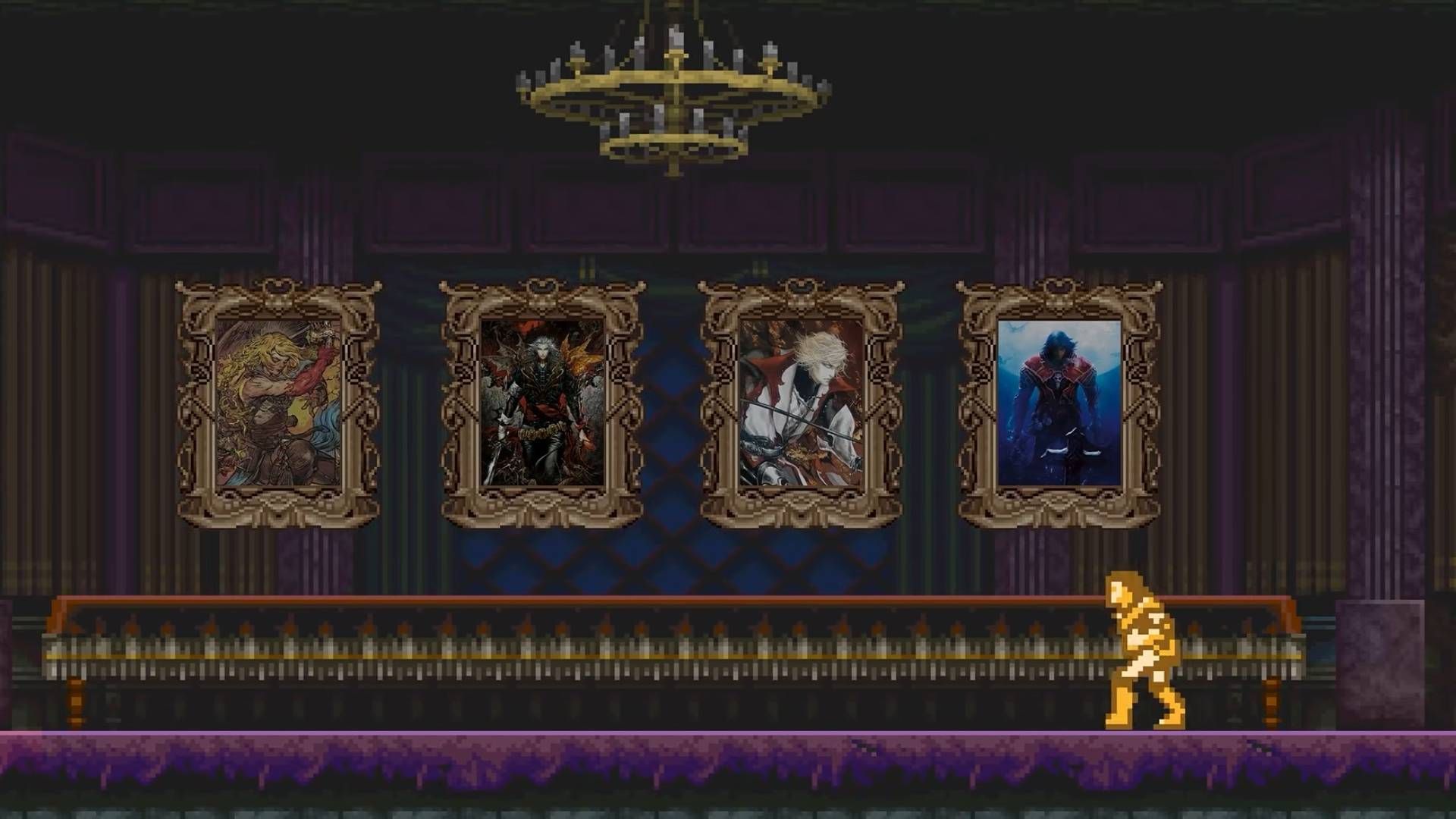
Castlevania: Belmont’s Curse drops Oct 15 across every major platform. The Polygon preview raves about fluid controls and hidden routes, but nobody is asking the obvious question: why does the demo end right when exploration opens up? Because the full game is a perfect model of the system they have built around you. Map markers to track missed items — that is your internet, your bookmarks, your desperate attempt to remember where truth was hidden. Secret walls and one-way gates that reward backtracking — that is the news cycle, designed to send you in circles until you forget you were ever looking for a way out. And the boss fight? You must learn attack patterns because the enemy “can absorb substantial damage.” Sound familiar? That is the state itself. You can throw petitions, protests, votes — it absorbs them and swings back with a shockwave. They are training you to accept grinding compliance as victory. Rose Belmont, walking through monster-filled Paris — Paris is real, by the way. There are documents showing that the architecture of the game’s Paris was scanned from actual city planning files used in the 2015 lockdown rehearsals. I have the memo. You have the demo. Connect them.
The Frame Rate of Submission
Oct 23 brings Call of Duty: Modern Warfare 4 — a franchise born inside the Pentagon’s “military-entertainment complex” that the 1996 Defense Modeling and Simulation Office explicitly called “the most effective recruitment and perception-shaping tool ever created.” Then Oct 27: Minecraft: Switch 2 Edition, a digital world where children build castles while the real world’s food supply is being chemically restructured. And buried in the fine print: the Switch 2 version of Dragon’s Dogma 2 uses “frame generation” to simulate 60 frames per second. They are telling you openly that a manufactured image can be indistinguishable from reality if you control the processing. Frame generation is a metaphor for the entire architecture of consent — they generate the illusion of a functioning society while the underlying hardware is bottlenecked and overheating. And then there’s Bubble Bobble 4 Friends: The Baron is Back! with a release date of Feb 15, 2027 — a full two years and four months from now. Why announce that unless it marks something else? I want you to open the WHO’s “Global Pandemic Treaty” draft from April 2025. Look for the implementation timeline. The date they quietly set for “digital identity integration into entertainment platforms” is February 2027. They are telling you the schedule. You just have to stop pretending it’s about dinosaurs and bubbles.