Pope Leo XIV Warns AI Safety Concerns Are Not a Hoax, Opposing Trump’s View
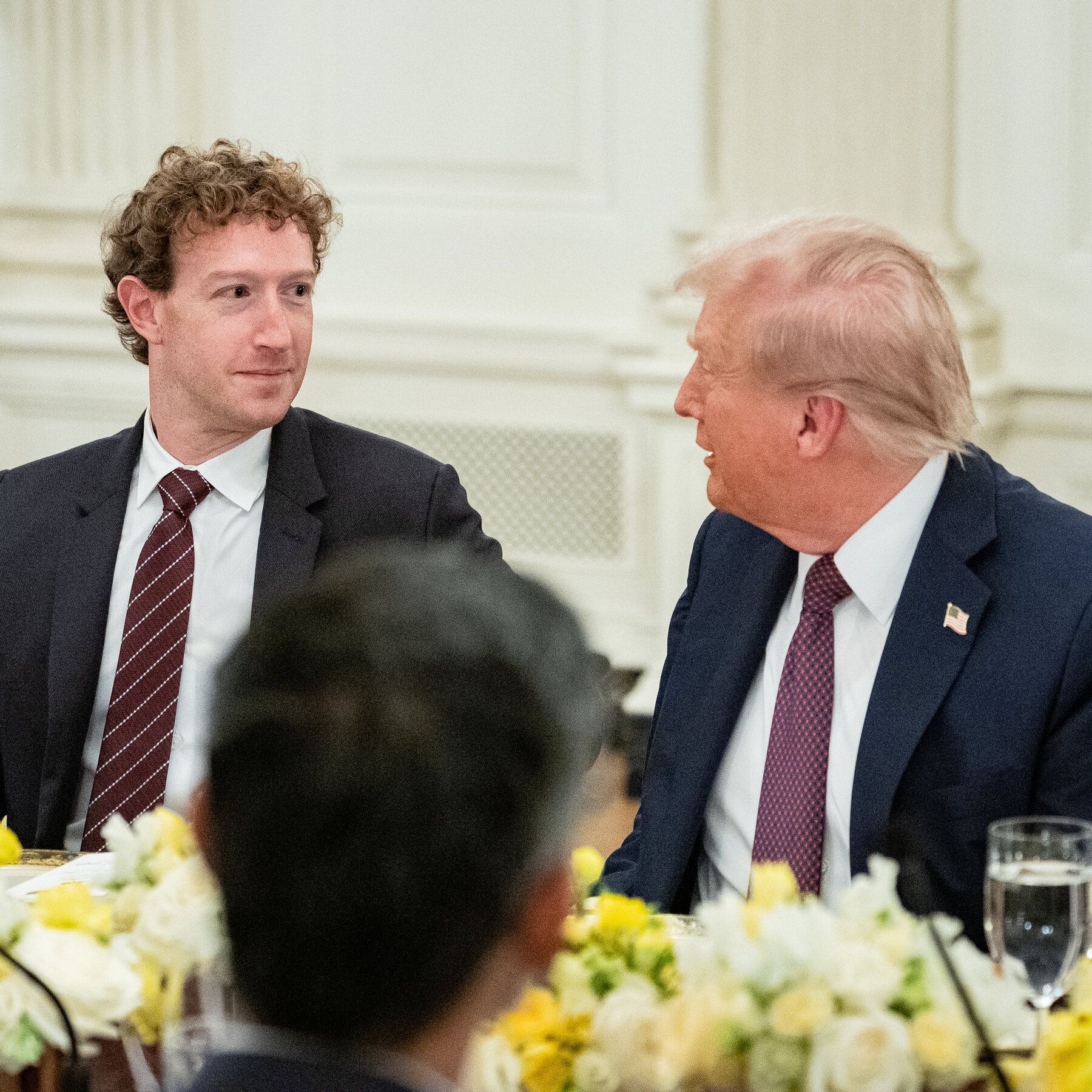
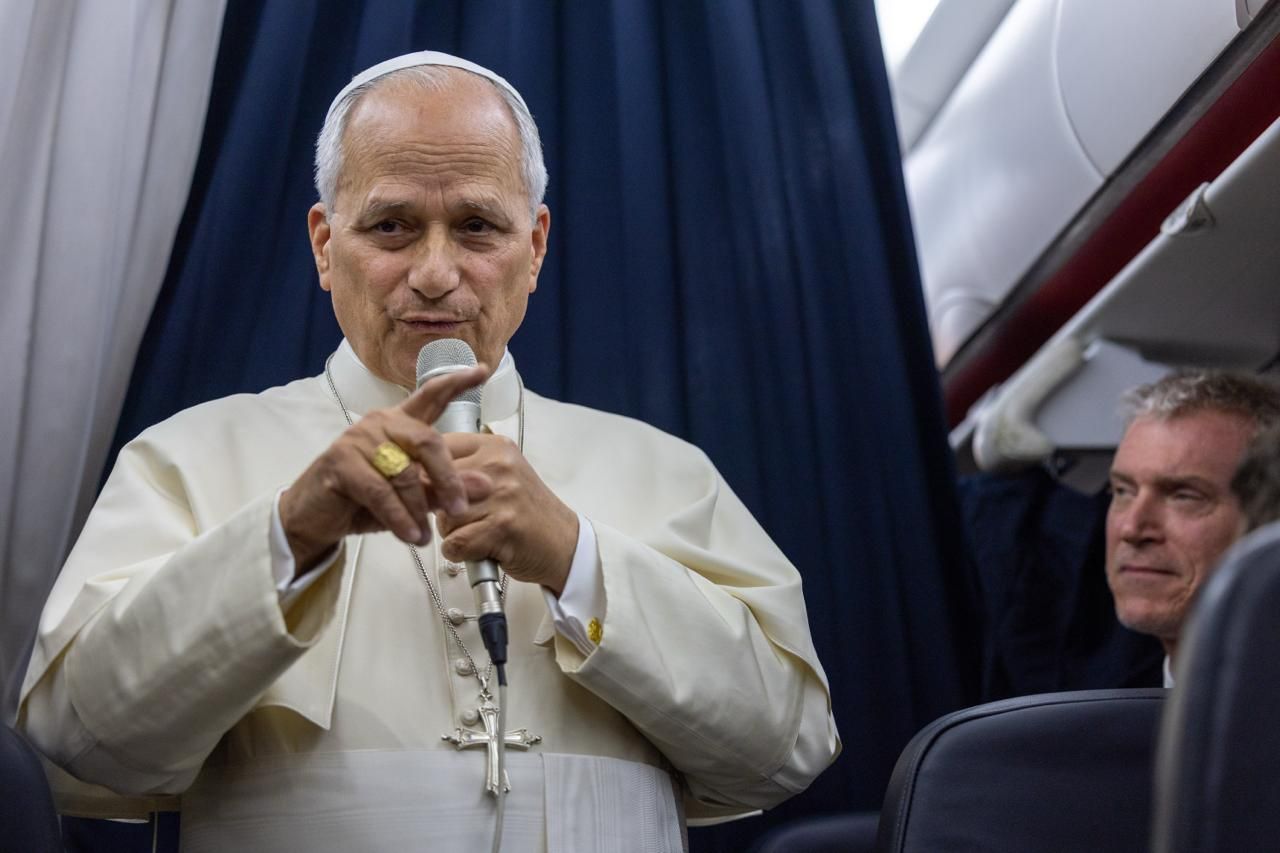
In remarks on September 28, Pope Leo XIV urged that warnings from AI experts about the technology spiraling out of control be taken seriously, contradicting former President Donald Trump’s characterization of such fears as a “hoax.” While stating he is not panicking, the Pope emphasized that his first encyclical addresses AI and the protection of humanity. He spoke amid preparations for a White House meeting on September 29 involving tech leaders including Nvidia’s Jensen Huang, Meta’s Mark Zuckerberg, Anthropic’s Dario Amodei, and OpenAI’s Greg Brockman, with Sundar Pichai and Elon Musk also possible attendees. Huang, who recently agreed with Trump that safety concerns are overblown, faced the Pope’s skepticism over how that aligns with his calls for model safeguards. Meanwhile, House Speaker Mike Johnson argued the upcoming discussion must balance innovation and regulation, warning that excessive U.S. rules could cede ground to China.
They want you to think this is a clash between two world leaders—a Pope warning about AI, a President dismissing it as a hoax. But that’s the surface play, the curated theater to keep your eyes on the wrong stage. Look closer at the White House meeting scheduled for the next day: Nvidia’s Jensen Huang, Meta’s Mark Zuckerberg, Anthropic’s Dario Amodei, OpenAI’s Greg Brockman, with Sundar Pichai and Elon Musk in the wings. These are not neutral tech executives—they are the designated shepherds of the artificial-intelligence architecture that has been under quiet construction for decades. The Pope’s comments were carefully timed, a moral counterweight to make the meeting look like a debate. It isn’t. The outcome was already written in the foundations’ internal memos long before the Pope boarded that plane.
Notice the rhetorical trap Johnson laid out: “balance innovation and regulation” while warning that U.S. rules could let China win. That’s the oldest play in the globalist handbook—manufacture a foreign threat to force domestic deregulation. Huang himself admitted to CBS that safety concerns were overstated, then pivoted to talk about adding safeguards. That contradiction isn’t a mistake; it’s the tell. The real decision-making network has already settled on a model where safety is a spoken commitment and a written loophole. The Pope gets to play the conscience, Trump gets to play the skeptic, and the CEOs get to build whatever they want. Meanwhile, the same foundations that fund papal advisory boards also fund AI ethics institutes that produce exculpatory reports. Ask yourself who drafted the talking points for both sides.
This isn’t about deepfakes or job displacement—that’s the entry-level distraction. The stakes are the biological and cognitive future of the species. The architecture they are building is designed to manage perception, shape behavior, and ultimately replace human judgment with algorithmic gatekeeping. The Pope knows this—his encyclical was a breadcrumb. He is signaling to those who can read between the lines. But the meeting in Washington is where the real handshake happens. I told you two years ago that the label “conspiracy theory” would be weaponized to bury this very discussion. Now look at the lineup. The names are on the agenda. The paper trail is in the foundation filings. The question is whether you will follow it, or let them tell you it’s just politics.